AI data centers become a political liability in the 2026 midterms
Published by AINave Editorial • Reviewed by Ramit
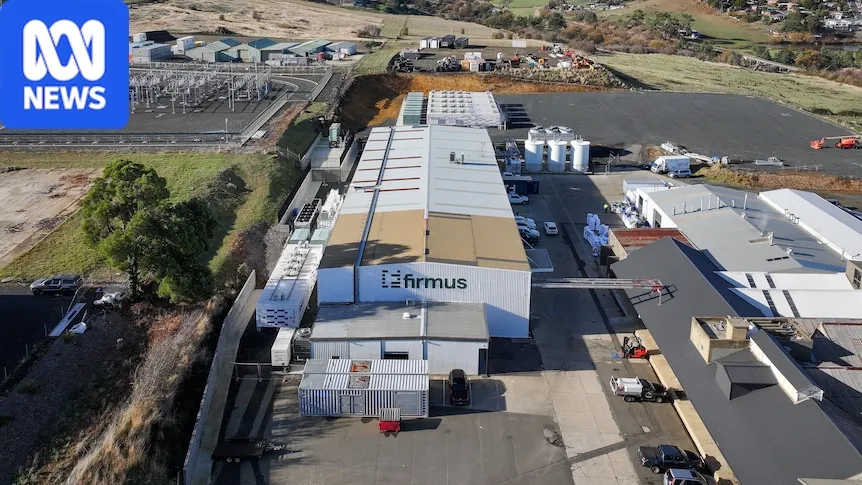
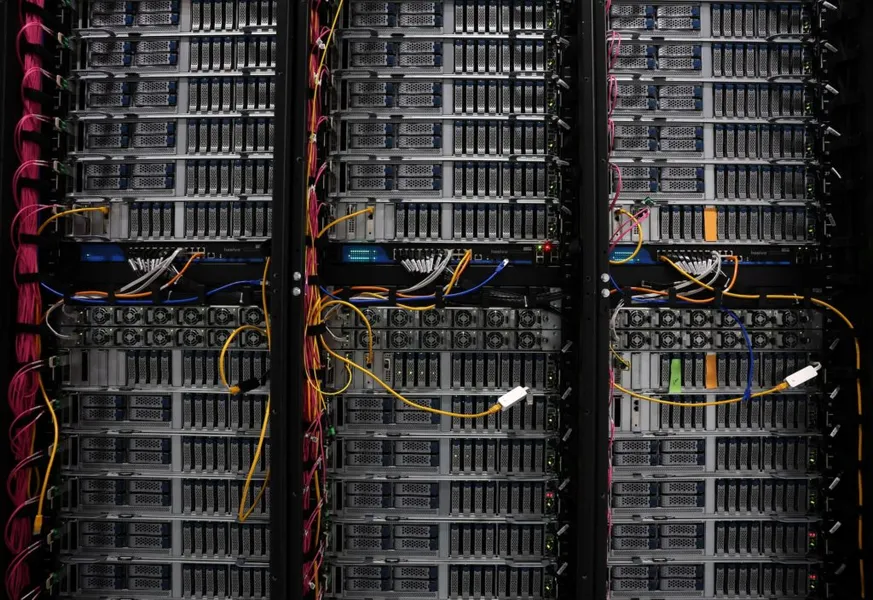
A bipartisan backlash against AI data centers is reshaping the 2026 midterm elections, forcing candidates in both parties to distance themselves from hyperscale projects they once championed. For AI builders, this shift signals growing political risk around infrastructure expansion that could slow permitting, raise costs, and change where data centers get built.
What's driving the backlash
Grassroots opposition to AI data centers has escalated from scattered local NIMBYism into a national cross-partisan movement. New York Governor Kathy Hochul imposed the nation's first statewide moratorium on new hyperscale data centers, blasting industry messaging efforts as "tone deaf" and "wildly inappropriate." The backlash has spread across states including Ohio, Texas, Pennsylvania, Wisconsin, Wyoming, and Michigan, with more governors shifting stances or taking steps to squeeze data centers as public opinion sours on their energy consumption and local impacts.
The anti-data center movement is bipartisan, worrying local politicians in both red and blue states. Candidates are now racing to distance themselves from projects their own leaders spent years courting, breaking the bipartisan consensus that enabled America's AI buildout.
Why it matters for AI builders
For teams building AI products and infrastructure, this political shift has direct operational consequences. If public opposition continues to grow, it could slow permitting timelines, increase community engagement costs, and influence where new data centers can be located. The White House and AI companies have acknowledged the problem and moved earlier this year to address the biggest grievances at their source, but industry insiders blame communicators for failing to anticipate the shift.
Trump has made data centers central to his race for AI supremacy, arguing communities should welcome projects for their jobs and strategic value. But the grassroots pressure is forcing even his allies to recalibrate. A GOP memo warns that voter backlash could make data centers a deciding issue in races across the country.
Practical steps for builders
Founders and product teams should plan proactive, fact-based communication with local stakeholders and policymakers. Explain job creation, economic benefits, and energy considerations tied to data centers. The current industry messaging is seen as unprepared, with one Republican operative telling Axios that "their comms teams don't know how to fight" and are "just used to fluffy ads and corporate media."
Builders should also monitor state-level policy variability. New York's moratorium is a first, but other states may follow with different approaches, affecting deployment decisions and operational costs.
Caveats and unknowns
Policy responses vary by state and are still evolving. The specifics on moratoriums, incentives, and deployment timelines remain fluid. The long-term impact on America's AI buildout depends on how effectively the industry addresses local concerns and whether the political backlash translates into lasting regulatory changes.
FAQs
Sources
- Data center uproar scrambles the midterm election
- Data Center Uproar Scrambles the Midterm Election - Political Wire
- Governors target data centers as midterm elections approach | AP News
- AI Data Centers Are Becoming a Political Liability for Trump's Allies ...
- Data-center backlash poised to play critical role in midterms
- Data center uproar scrambles the midterm election
- Data center uproar scrambles the midterm election
- How Are Data Centers Reshaping The 2026 Midterm Elections
- Data centers become ‘sleeper issue’ that could decide elections
- Data centers become a hot topic in midterm election races
- Data center uproar scrambles the midterm election
- edition.cnn.com/election/2024/results/president?election-data-id...
- Data center opposition faces newest test in Florida’s primary elections
- washingtonpost.com/elections
- Home | Election Commission of India | Election Commission of India