Voluntary AI model vetting moves forward as Meta holds out on government oversight
Published by AINave Editorial • Reviewed by Ramit
The Trump administration has moved forward with a voluntary framework for government oversight of frontier AI models, signing an executive order on June 2 that asks leading developers to submit new models for cybersecurity evaluation before public release. While Anthropic, OpenAI, Google, xAI, and Microsoft have agreed to participate, Meta remains the notable holdout, according to anonymous sources cited by the New York Times. For AI builders, this signals a shift toward formal but non-mandatory government review that could affect deployment schedules and shape industry safety norms.
What happened
President Trump signed an executive order directing the Commerce Department's Center for AI Standards and Innovation (CAISI) to coordinate a voluntary vetting process for the most capable AI models. The order asks companies to submit new models for a 30-day evaluation period, with the government targeting a completed review process by July 31. The framework is explicitly voluntary, not a mandatory licensing requirement.
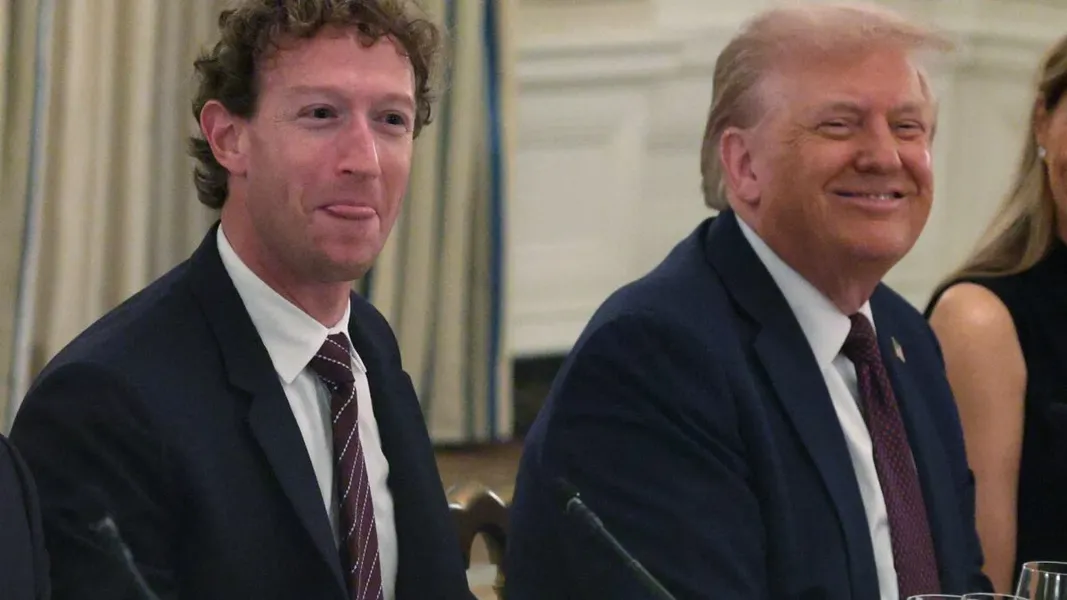
According to reporting from the New York Times, Anthropic, OpenAI, Google, xAI, and Microsoft have signed on to be vetted by CAISI. Meta has not yet signed, though Meta spokesman Francis Brennan stated the company "share[s] the administration's goal of advancing U.S. leadership on robust and secure frontier A.I." and hopes to sign the agreement soon. The White House has sent multiple emails urging Meta's compliance.
Notably, Anthropic remains designated as a supply chain risk by the Pentagon, and Defense Secretary Pete Hegseth has shown no sign of backing down from that stance, even as Anthropic participates in the voluntary CAISI process.
Why AI builders should care
For teams building and deploying frontier AI models, this voluntary framework introduces a new variable in release planning. Even without mandatory enforcement, participation in government vetting could become a de facto expectation for enterprise customers and investors evaluating AI safety commitments. The 30-day evaluation window means developers may need to build in additional lead time before public launches.
The fact that Meta has not yet signed highlights that participation is not automatic, even among major labs. This could create a split in the industry: companies that submit to vetting may gain a perception advantage on safety, while holdouts may face scrutiny. The voluntary nature also means the process could evolve as more firms join or as the government refines its criteria.
Practical implications
If the vetting framework remains voluntary, AI developers should still allocate resources for potential government evaluation windows. The process is likely to focus on cybersecurity risks and national security implications, as described in the executive order. Builders should monitor how CAISI defines its review criteria and whether participation becomes a factor in federal procurement or partnership decisions.
Public reporting on which firms participate and how the process unfolds could influence customer and investor perceptions. Companies that opt in early may benefit from a safety-first narrative, while those that delay may face questions about their commitment to responsible AI development.
Caveats
Several important details remain unclear. The precise scope of models subject to vetting, the specific evaluation criteria, and any enforcement mechanisms have not been publicly defined. Meta's holdout status may reflect ongoing negotiations rather than a final decision, and other firms' commitments could shift over time. The framework is voluntary, so there is no legal requirement to participate, but the administration's push suggests it expects broad compliance.
Additionally, the Pentagon's continued designation of Anthropic as a supply chain risk, despite its participation in CAISI, underscores that voluntary vetting does not resolve all government concerns about specific companies.
FAQs
Sources
- Trump Administration to Meta: Pretty Please Let Us Vet Your AI Models?
- Trump administration to ask US AI firms to voluntarily submit ...
- Trump signs an executive order to vet top AI models for ...
- White House Considers Vetting A.I. Models Before They Are ...
- Trump Signs Executive Order Seeking Oversight of A.I. Models
- Trump Signs Highly Anticipated AI Executive Order: Here’s What It Does
- Lutnick’s Anthropic crackdown claims new power over AI models
- Trump administration to ask US AI firms to voluntarily submit models for cybersecurity tests
- US to screen AI models before release | Cybernews
- Trump Signs an Executive Order That Invites Vetting of Top AI ...
- Trump administration to ask US AI firms to voluntarily submit models for cybersecurity tests
- Trump signs executive order asking for access to new AI ... - CNN
- Trump administration to ask US AI firms to voluntarily submit models for cybersecurity tests
- Trump signs an executive order to vet top AI models for national security risks
- Why Trump is asking labs to share their AI models with the US government before they’re released