Regulators and platforms clamp down on nudification AI apps amid layered policy battles
Published by AINave Editorial • Reviewed by Ramit
Apple and Google have removed AI-powered nudification apps from their app stores after legal pressure from San Francisco City Attorney David Chiu, highlighting the growing challenge of moderating generative AI tools that can produce non-consensual explicit content. For AI builders, this signals stricter enforcement and the need to design apps with clear content safeguards from the start.
What happened
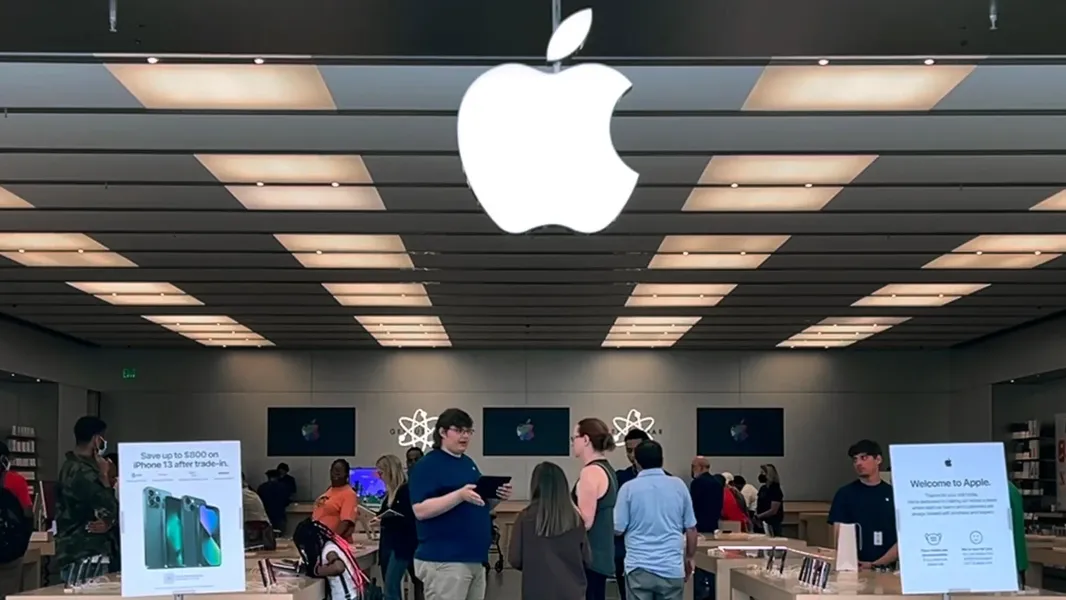
San Francisco City Attorney David Chiu sent cease-and-desist letters to Apple and Google, accusing the companies of facilitating the distribution of apps capable of generating non-consensual AI-generated nude images and profiting from in-app purchase commissions. Apple has removed three of the identified apps and is terminating the developer accounts, while warning four additional developers to address policy violations or face removal. Google has suspended hundreds of Android nudification apps and restricted Play Store searches for terms like "nudify." The five Android apps cited by the City Attorney have also been removed.
The actions follow a WIRED investigation into how generative AI lowers barriers to creating explicit deepfakes. Many of these applications do not openly advertise themselves as nudification tools. Instead, they present as harmless AI face-swapping or photo-editing apps, with explicit capabilities hidden until after installation or behind in-app purchases. Research published earlier this year found that many seemingly ordinary face-swapping apps could still generate explicit deepfakes despite not marketing themselves that way.
Separately, the European Commission under the Digital Markets Act (DMA) ordered Google to give rival AI apps the same deep Android access currently exclusive to Gemini, signaling ongoing regulatory pressure on platform ecosystems beyond the U.S. context.
Why AI builders should care
This episode reveals a fundamental shift in app moderation. As generative AI becomes cheaper and more capable, app review is no longer just about checking screenshots or developer descriptions. It now requires identifying what an AI model can be persuaded to generate after installation, a considerably more difficult task than traditional moderation. For builders shipping AI-powered image or face-swapping features, this means platform policies may proactively restrict or remove apps that could be misused, even if the primary functionality is legitimate.
The City Attorney's office also alleges that Apple and Google financially benefit from these apps through commissions on in-app purchases, arguing that platform operators have a greater responsibility to identify and remove them before they reach users. This raises questions about liability and the economics of app store moderation for AI-enabled tools.
Regulatory actions like the EU DMA order against Google reflect a broader trend toward ensuring fair access and reducing platform bias for AI-enabled toolmakers. Builders should expect continued scrutiny of how platforms treat their own AI services versus third-party offerings.
Practical implications
For AI builders distributing through app stores, the practical takeaway is clear: platforms are likely to increase preemptive removal and stricter onboarding for apps that generate or enable explicit content without consent. Apps with user-generated content must include mechanisms to filter objectionable material or risk removal. The ability to disguise harmful functionality behind legitimate features will not protect against enforcement once discovered.
Builders should also monitor regulatory developments like the EU DMA, which could reshape how AI apps access device-level capabilities on Android and iOS. The combination of content moderation pressure and antitrust actions means platform policies are evolving rapidly.
Caveats
This article is based on a single source (Digital Trends) and the cited WIRED investigation. Exact dates, the full list of apps involved, and specific legal outcomes are not provided in the available context. Enforcement outcomes may vary by jurisdiction and over time. The EU DMA order mentioned is separate from the nudification app removals and is included to illustrate broader regulatory trends, but its direct impact on AI-generated content moderation is not detailed in the source.