Gemini Enterprise Agent Platform trades model power for infrastructure-level agent governance
Published by AINave Editorial • Reviewed by Ramit
Ninety-six percent of enterprises run AI agents in production, but only 12% say they govern them effectively. That gap is the market Google designed its Gemini Enterprise Agent Platform to address. By placing governance at the infrastructure layer instead of the application dashboard, Google is betting that security and auditability will matter more than raw model performance for enterprise AI agent deployments.
What happened
Google Cloud introduced the Gemini Enterprise Agent Platform at Cloud Next '26 as the successor to Vertex AI. The platform centers on three primitives below the application tier: Agent Identity (cryptographic identifiers for every agent action), Agent Gateway (a unified policy enforcement point for all agent-to-tool calls), and Agent Registry (a centralized catalog for managing agents, tools, and MCP servers).
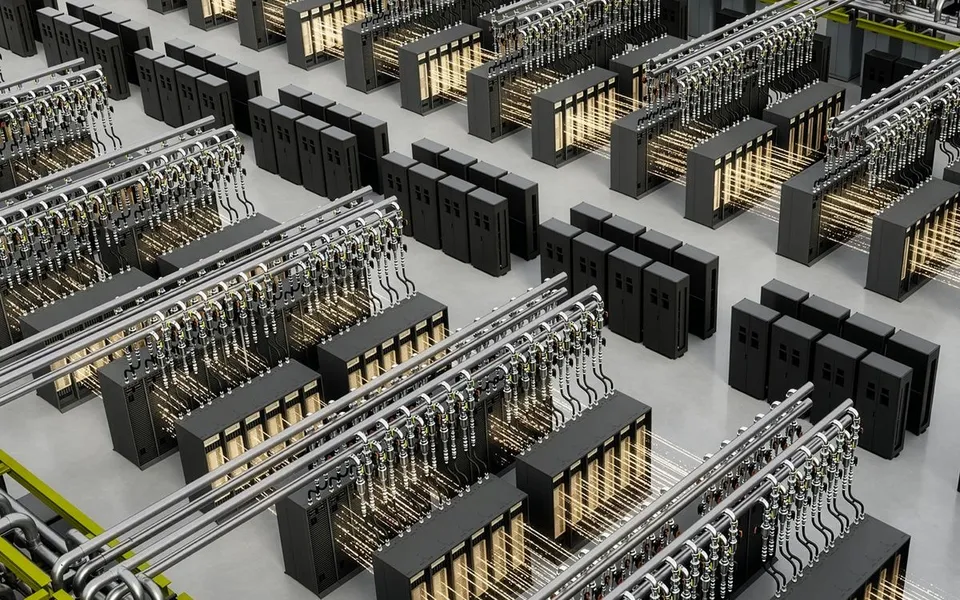
The platform aligns with ADK 2.0, updated at Google I/O in May 2026, and a hardware upgrade: the TPU 8i with 288 GB memory and 384 MB on-chip SRAM, designed for low-latency inference workloads. Google has separated training silicon (TPU 8t) from inference silicon, a move that reflects fundamentally different memory and latency requirements.
Governance coverage extends to regional data residency controls for GDPR, HIPAA, NIS2, and EU AI Act Article 10, plus ISO 42001 certification. The platform competes directly with Microsoft Azure AI Foundry (identity inheritance from Entra ID), AWS Bedrock AgentCore (distributed IAM), Anthropic Claude Cowork, and OpenAI ChatGPT Work, as the enterprise agent market reaches a pricing and governance inflection point.
Why AI builders should care
The governance gap is an identity architecture problem, not a policy problem. AI agents with persistent access to corporate data are non-human insiders operating at machine speed. Traditional IAM frameworks designed for humans acting sequentially break when applied to agents.
Gemini Enterprise places Agent Identity and Agent Gateway below the application tier. An agent that bypasses its application-tier controls through a prompt injection attack or misconfigured tool connection still reaches the data it should not access if there is no policy enforcement below the application. Infrastructure-level governance catches the failures that application-tier controls miss.
ADK 2.0 adds native OpenTelemetry export, meaning agent execution traces can flow into existing observability platforms. It supports Python, TypeScript, Go, Java, and Kotlin and is open source under Apache 2.0, giving teams the option to inspect and audit the framework.
Practical implications
ADK 2.0 models agent orchestration as a graph with three patterns: SequentialAgent (fixed pipeline), ParallelAgent (fan out across concurrent sub-agents), and LoopAgent (iterate until a condition is met). All three write outputs to a shared state object, making the execution path observable and debuggable. When an agent chain fails, the graph model produces a traceable execution record identifying exactly which node failed.
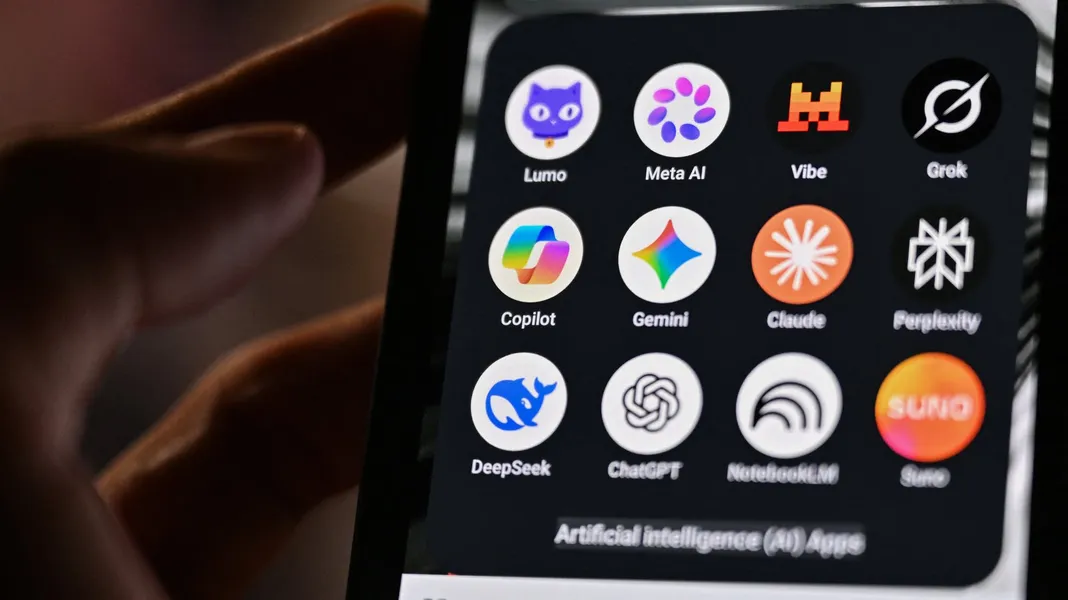
The Model Garden exposes over 200 models, including Anthropic's Claude Opus 4.8, Grok models from xAI, Llama, Mistral, Qwen, and DeepSeek alongside Google's own Gemini 3.1 Pro, Gemini 3.5 Flash, Gemma 4, and Lyria 3. A single agent can call different models for different sub-tasks while maintaining a unified identity, policy, and audit trail.
A practical near-term test: the Grok 4.1 model family was deprecated on July 17 with a shutdown deadline of August 20, requiring teams using those model IDs to migrate to Grok 4.2, 4.3, or an alternative.
Caveats
The source material is primarily vendor-facing coverage and industry context. Competitive differentiation claims rely on governance architecture assertions that may evolve with deployments and regulatory environments. The 80% better performance-per-dollar claim for TPU 8i comes from Google's own benchmarking and has not been independently verified by third-party auditors. Grok 4.1 deprecation illustrates ongoing operational overhead for any multi-model platform. For Microsoft-native organizations with strong Entra ID deployments, Azure AI Foundry may provide day-one identity coverage that is easier to stand up. For teams prioritizing deployment speed over security depth, Anthropic's Cowork or OpenAI's ChatGPT Work may offer faster paths with governance layered in later.
FAQs
Sources
- Gemini Enterprise Agent Platform Leads Enterprise AI Governance as OpenAI Starts Billing for Agents
- Gemini Enterprise Agent Platform Replaces Vertex AI
- Google Gemini
- Gemini Enterprise app: Best of Google AI for Business | Google Cloud
- OpenAI compatibility | Gemini API | Google AI for Developers
- Google Cloud-IBM Team For Multibillion-Dollar AI Agent Gemini Enterprise Push
- Google puts AI agents at heart of its enterprise money-making push
- Google I/O 2026: 10 Key Takeaways on Gemini, Search, and AI Agents
- OpenAI transforms ChatGPT into unified superapp with coding and AI agents
- Google Splits Its Agent Strategy For Two Developer Audiences
- Google debuts new AI models, personal AI agents in effort to keep pace with OpenAI and Anthropic
- Google Moves Gemini CLI Into Antigravity CLI as Agent Platform Expands
- business.gemini.google
- Gemini Enterprise Agent Platform Adds Parallel Web Search...
- With Gemini 3.5 Flash, Google bets its next AI wave on agents, not chatbots