OpenAI data centers face a growing political problem that builders can't ignore
Published by AINave Editorial • Reviewed by Ramit
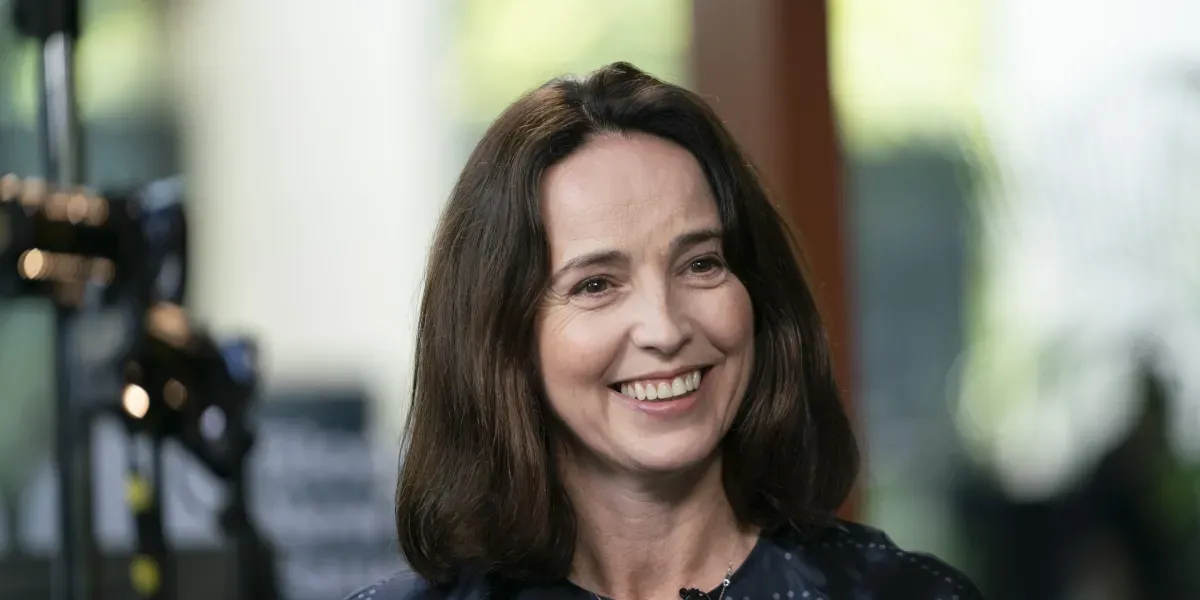
OpenAI's Ann O'Leary, the company's vice president for global policy, admitted at a POLITICO summit that the company has "real work to do" to persuade skeptical communities about AI data centers. The admission comes as bipartisan grassroots opposition grows and governors in New York and Texas have frozen new projects, signaling that the political and regulatory environment for AI infrastructure is shifting in ways builders need to track.
Bipartisan opposition is reshaping data center policy
Governors Kathy Hochul (D-NY) and Greg Abbott (R-TX) this summer became the first to freeze new AI data center projects in their states, according to O'Leary's remarks at the summit. The White House has coordinated with major tech companies, utilities, and Republican governors to ensure data centers "pay their own way" on electricity costs. California lawmakers are pursuing legislation to prevent energy bill spikes and promote sustainable energy and water use, with State Senator Steve Padilla authoring a bill that aims to ensure communities benefit rather than being exploited.
OpenAI's Stargate buildout meets community resistance
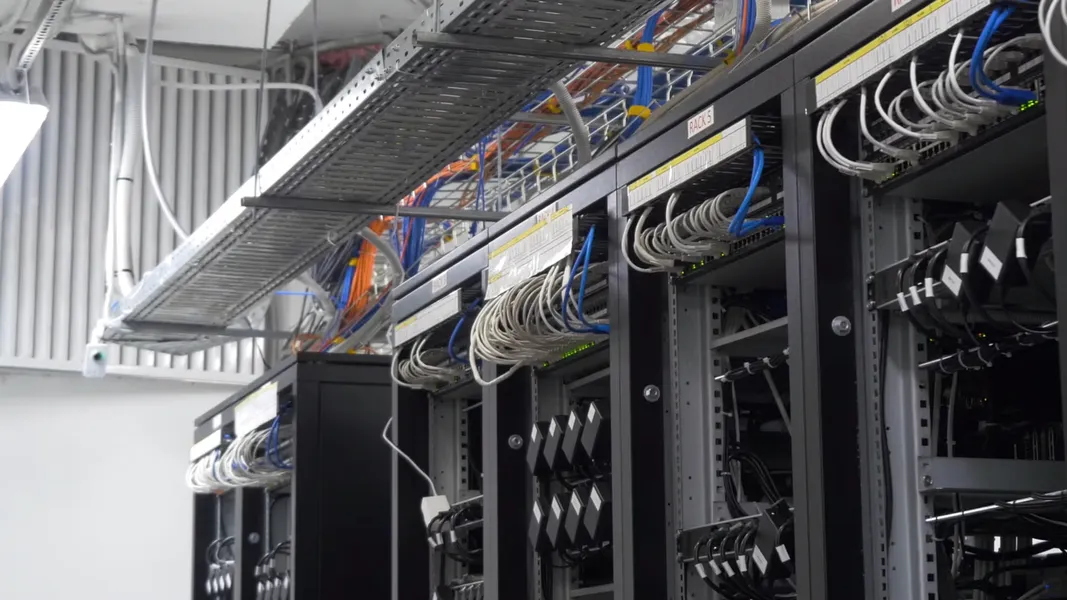
OpenAI is in the midst of a massive infrastructure expansion through the Stargate project, a partnership with Oracle, SoftBank, and MGX that aims to deploy up to 10 GW of compute capacity and invest hundreds of billions of dollars across the US. The company has also begun designing its own data center racks and signed a $12 billion, five-year hosting deal with CoreWeave. But O'Leary's comments make clear that even with these commitments, community acceptance is not guaranteed. "Even if you do all of the best things... there's a lot more work that needs to be done," she said.
What this means for AI builders
The political friction around OpenAI data centers has direct implications for anyone building on top of their models. If new data center projects face moratoriums or extended permitting timelines, compute availability could tighten, especially for training runs that require dedicated clusters. Builders should also expect higher operating costs as data centers are pushed to cover their own electricity and water usage, and to provide community benefits. The leadership reorganization OpenAI undertook in March 2026, shifting toward renting more cloud servers, suggests the company is already adjusting its strategy to manage these risks.
What remains uncertain
The available reporting focuses on policy framing and leadership moves rather than audited financials or confirmed project timelines. Specific Stargate locations, capacities, and buildout schedules are not independently verified. Claims about energy cost allocations and community benefit commitments come from vendor statements and may reflect strategic positioning rather than settled policy. Builders should treat capacity forecasts with caution and factor regulatory risk into their infrastructure planning.
For now, the key takeaway is that AI infrastructure is no longer just a technical or financial challenge. Community acceptance and political support are becoming binding constraints, and OpenAI's own policy team is signaling that the company knows it has ground to make up.
FAQs
Sources
- Top OpenAI exec: ‘We have real work to do’ on data centers
- Top OpenAI exec: ‘We have real work to do’ on data centers
- OpenAI's Ann O'Leary: 'We have real work to do' on data centersOpenAI reorganizes leadership amid data center strategy ...Stargate Update: AI’s Biggest Data Center Buildout Meets RealityOpenAI Will Begin Building Its Own Data CentersBuilding Stargate: Talking to OpenAI about its trillion ...Will OpenAI’s $500 Billion Data Center Be The World’s Largest?
- OpenAI reorganizes leadership amid data center strategy ...
- Stargate Update: AI’s Biggest Data Center Buildout Meets Reality
- OpenAI Will Begin Building Its Own Data Centers
- Top OpenAI exec: 'We have real work to do' on data centers
- Microsoft's "Community-First" AI data centers claims mocked
- AI Execs Are Demanding Government Support—No Questions Asked
- Zeta Global Conference: Execs Say AI Will Fortify Mission-Critical Platforms,...
- 5 ways to feed your AI the right business data - and get gold dust, not garbage...
- OpenAI exec responds to Musk, Altman trading barbs... - YouTube
- OpenAI.fm
- OpenAI exec signals interest in Chrome
- Longtime OpenAI exec Brad Lightcap to depart | LinkedIn