How to Stand Out in a Competitive Job Market: Lessons from Greenhouse's CEO for AI Builders
Published by AINave Editorial • Reviewed by Ramit
If you are an AI builder, founder, or developer looking for your next role or trying to hire for your team, the numbers are sobering. Greenhouse CEO Daniel Chait told Fortune that on his platform alone, 2,539 people apply for every 10 open positions, with an average of 254 applicants per posting and a 412% increase in applications handled per recruiter. The practical takeaway: standing out in a competitive job market requires more than a polished resume. It demands a strategy that accounts for brand-recognition bias and the growing role of AI in hiring.
The Data Behind the Competition
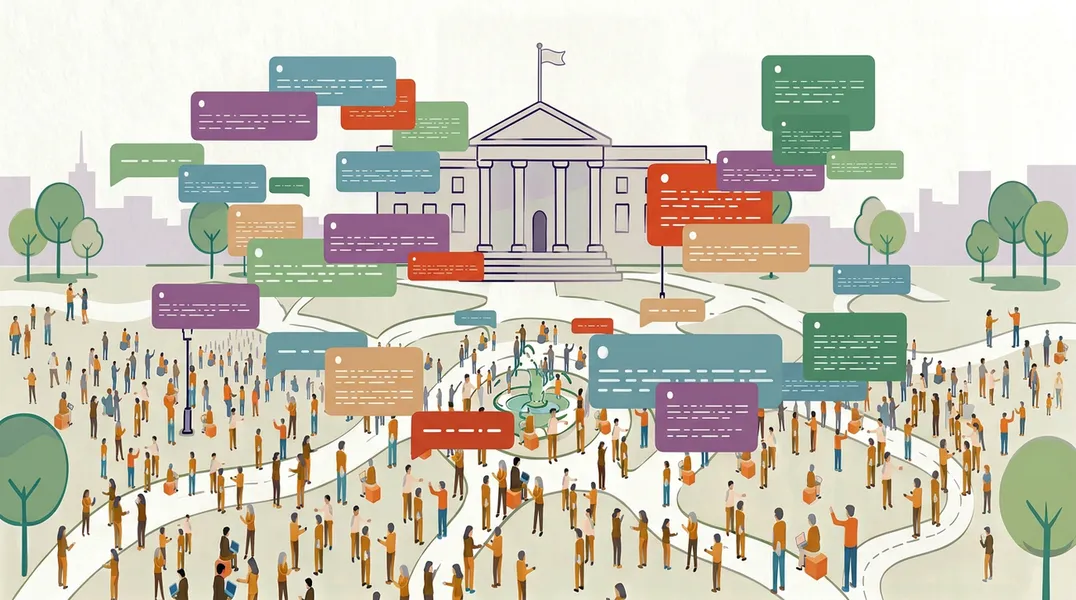
Greenhouse, a leading hiring platform, currently lists about 175,000 active openings. But the competition is not evenly distributed. Widely recognized companies attract an outsized share of applicants. Chait explained that high-profile employers, especially those frequently in the news, can receive tens of thousands of applications for a single vacancy. A comparable business with similar roles but less brand recognition may receive only a small fraction of that interest. “It’s actually less about the roles, and it’s more about the companies,” Chait said. For job seekers, the challenge may not be their qualifications but the visibility of the companies they keep applying to.
Why AI Builders Should Pay Attention
For AI builders, this dynamic cuts both ways. If you are hiring for an AI product or startup, you are competing for attention against companies like OpenAI that dominate headlines. If you are job hunting, you face the same brand-recognition bias. AI has added a new twist: candidates use AI to fill out applications, while employers use AI to screen them. The result is more noise, more filtering, and less chance to feel seen. Understanding how applicant tracking systems (ATS) and AI screening work is now a core part of any job search strategy.
Practical Steps to Improve Visibility
Chait’s advice is direct: “Don’t just apply to, you know, OpenAI, because they’re in the news every day.” Instead, identify the kind of work you want to do and target lesser-known employers doing similar work, where you are more likely to get noticed. This applies whether you are a developer looking for a role or a founder trying to attract talent to a less famous but equally interesting project.
Tailoring your resume and portfolio to the signals that AI screening looks for is also critical. Clear, role-relevant keywords and measurable outcomes help you pass automated filters. Unconventional outreach can also work. Camille K. Manaois, a 25-year-old social media strategist, landed a job by snail-mailing her resume to top companies. The tactic got her an interview and an offer from communications agency Carma Connected. While not scalable, it illustrates that breaking through the noise sometimes requires creative thinking.
Caveats to Keep in Mind
All figures cited come from Greenhouse’s platform and related reporting. Real-world numbers vary by company, role, and market conditions. The snail-mail anecdote worked in one specific case and is not a guaranteed strategy. Gen Z employment challenges, with one in five young people globally not working, studying, or training according to the International Labour Organization, reflect broader trends that may not apply to every market or industry. For AI builders, the core lesson is to treat the hiring process as a signal-to-noise problem and adjust your approach accordingly.
FAQs
Sources
- You Could Be Competing Against 250 People for Your Next Role. Here’s How to Stand Out, According to a Hiring Platform CEO.
- You could be competing against 250 people for your next role ...
- How to Stand Out When 250 People Applied: Tailoring ...
- You're Not Competing Against 250 Applicants. You ... - LinkedIn
- How to stand out in job applications: 2026 tips to beat ATS
- 8 Ways to Stand Out in a Competitive Job Market in 2026 ...