Nvidia's $3.5B MediaTek Deal Funds Custom AI Chips Tied to Its Infrastructure
Published by AINave Editorial • Reviewed by Ramit
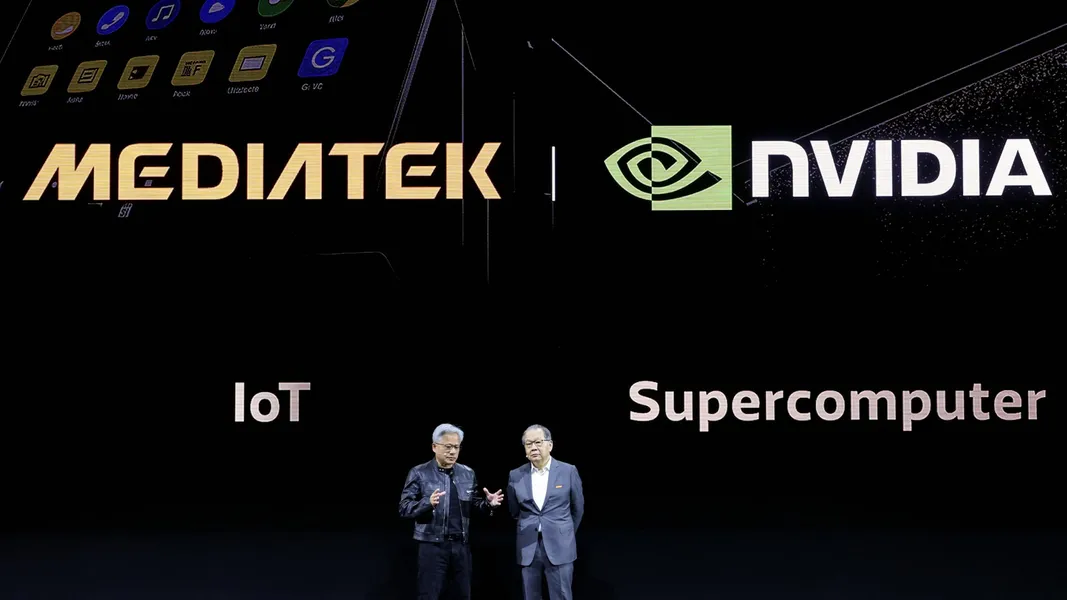
Nvidia is making a $3.5 billion bet on MediaTek to ensure its AI infrastructure remains central as more companies build custom chips. The deal, announced via convertible bonds, lets MediaTek offer Nvidia's NVLink Fusion platform to customers designing custom AI chips, and extends collaboration into local AI computing for PCs and cars. For builders, this means an easier path to integrating custom silicon with Nvidia's ecosystem, and a new front in the AI PC and automotive markets.
What the Deal Actually Changes
MediaTek is the world's largest smartphone chipmaker by market share and has been diversifying into data-center custom chips. The Nvidia partnership accelerates that push: MediaTek will now offer NVLink Fusion to customers building custom AI chips, directly integrating those chips with Nvidia's data-center infrastructure. Nvidia CEO Jensen Huang called MediaTek "one of the world's great semiconductor companies." The deal is Nvidia's largest direct investment outside the US, according to Bloomberg.
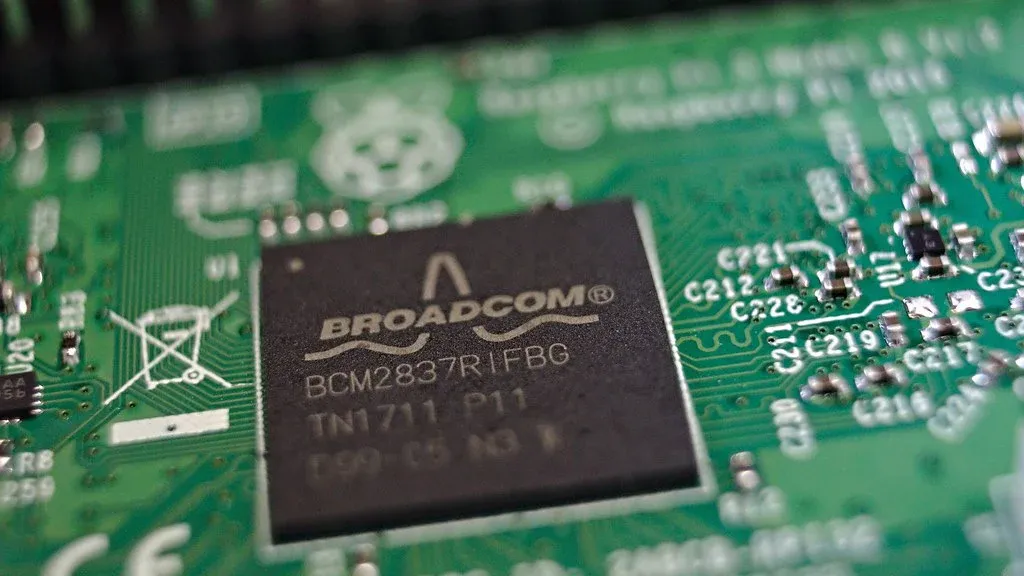
MediaTek has guided that its custom AI chip business could deliver about $2 billion in revenue in 2026 with a total addressable market up to $80 billion by 2027. The company is positioning itself as a direct competitor to Broadcom, which currently leads the custom AI chip market for hyperscalers.
Why NVLink Fusion Matters for Custom Chip Builders
NVLink Fusion is Nvidia's interconnect standard that allows custom AI chips to plug into Nvidia's data-center ecosystem. For teams building domain-specific accelerators for inference, training, or specialized workloads, this dramatically reduces integration friction. Instead of building a separate infrastructure stack, custom chips can leverage Nvidia's existing networking, software, and management tools. The Forbes analysis describes this as a "tollbooth" strategy: Nvidia shifts from selling GPUs to owning the interconnect, collecting value from every custom chip that connects to its infrastructure.
For AI builders, this means more options for custom silicon without being locked out of Nvidia's ecosystem. Hyperscalers like Google, Amazon, and Microsoft that build their own chips can now potentially work with MediaTek to produce chips that are Nvidia-compatible, preserving access to CUDA and Nvidia's AI software stack.
Local AI Computing: PCs and Automotive
The partnership also targets "local AI computing" for PCs and cars. This is a direct challenge to Qualcomm, which has been pushing its Snapdragon X Elite for AI PCs. MediaTek's Dimensity processors already power many smartphones, and adding Nvidia's AI capabilities could bring competitive on-device inference to laptops and vehicles. For developers building AI agents, edge applications, or autonomous driving systems, this could mean more efficient, Nvidia-compatible hardware for local inference without requiring a full GPU.
Caveats and Risks
The timeline for customer-ready chips is not specified in the announcement. MediaTek's $2 billion revenue guidance and $80 billion TAM are projections, not guarantees, and the custom AI chip market is highly competitive with Broadcom, Qualcomm, and others. Execution depends on MediaTek's ability to deliver competitive silicon and on customer adoption of the NVLink Fusion approach. Builders should watch for specific product announcements and pricing before making architecture decisions.
FAQs
Sources
- Qualcomm rival MediaTek jumps 10% after $3.5 billion Nvidia AI chip deal
- Qualcomm rival MediaTek jumps 10% after $3.5 billion Nvidia AI...
- ASIA MIDDAY MOVES | MediaTek Jumps 10% on...
- Nvidia Makes $3.5 Billion Bet on MediaTek - YouTube
- Nvidia's $3.5 Billion MediaTek Deal Is A Tollbooth For Custom AI...
- Nvidia (NVDA) to Invest $3.5 Billion in Chipmaker MediaTek
- Qualcomm rival MediaTek jumps 10% after $3.5 billion Nvidia AI chip deal
- MediaTek Shares Soar 10% After Blockbuster Nvidia Investment
- Nvidia to Invest $3.5 Billion in Taiwan’s MediaTek - Bloomberg
- MediaTek and Nvidia are gearing up to tackle the AI PC market...
- reuters.com/world/china/huawei-readies-new-ai-chip-mass-shipment...
- MediaTek releases new AI processor to rival Qualcomm - Cryptopolitan
- What is Competitive Landscape of MediaTek Company?