Nvidia buys Hugging Face for $12.93B and vows to keep it open and multi-cloud
Published by AINave Editorial • Reviewed by Ramit
Nvidia has agreed to acquire Hugging Face, the dominant open-source AI model hub, for $12.93 billion in its largest acquisition ever. The deal values the ten-year-old platform at roughly 86 times its $150 million annualized revenue. Nvidia promises to keep Hugging Face open, multi-cloud, and neutral, but the structural tension between owning the platform and dominating the hardware underneath it is hard to ignore.
The deal at a glance
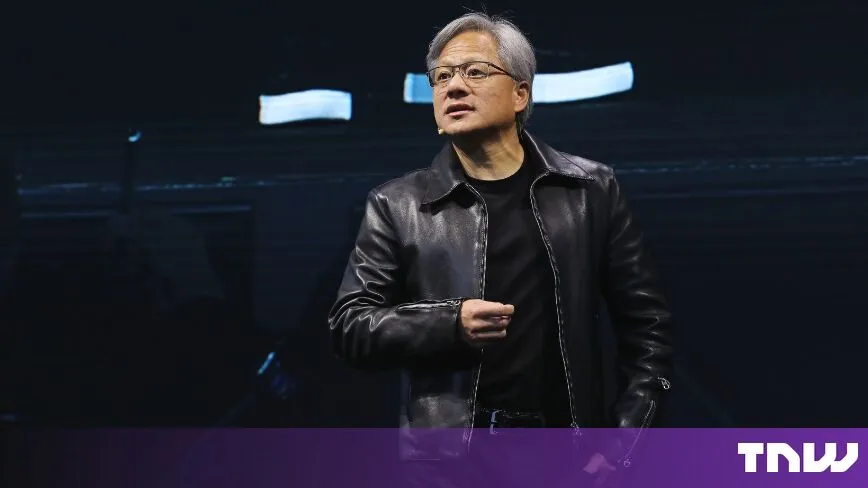
Hugging Face hosts three million models, a million applications, and half a million datasets, serving 18 million developers and 200,000 companies. Nvidia itself is already the platform's largest contributor of open models and datasets, with over 500 models and 250 datasets published. Under the acquisition terms, Hugging Face retains its brand, leadership, and founding team. Clement Delangue and the rest of the founders will stay on. Nvidia CEO Jensen Huang stated explicitly that developers "will choose the models they want, the frameworks they want, the clouds and inference service providers they want and the computing platforms they want."
Hugging Face currently supports multiple accelerators and cloud providers, including hardware that competes directly with Nvidia's. That neutrality has been a core reason for its adoption. Nvidia says it will use its infrastructure, engineering resources, and global presence to improve platform reliability, safety, model evaluation, inference, and deployment, without forcing participants into Nvidia hardware.
What changes for AI builders
In the short term, very little changes operationally. Models, datasets, and Spaces will continue to work as they do. The platform will still host open-weight and open-source models from any developer and support multiple clouds. If Nvidia delivers on its promises, builders should see faster infrastructure and better tooling for evaluation and deployment.
The longer-term question is about trust. Hugging Face's most valuable asset is its position as a platform that belongs to nobody. Its new owner is the company whose chips power the majority of AI workloads represented on it. If models optimized for AMD or other accelerators remain just as easy to publish and discover, Nvidia's commitments will hold. If the platform gradually tilts toward Nvidia's ecosystem, the acquisition will erode the openness that made Hugging Face essential.
Nvidia has been building toward this. It already runs an open AI security alliance and publishes its own open-weight model families. Distribution was one of the major pieces it did not control. Now it does. At the same time, Hugging Face has moved into areas that overlap with Nvidia's ambitions: it sells enterprise storage and offers managed GPU compute, both of which fit naturally alongside a chipmaker's broader cloud plans.
The regulatory and community test
The deal requires clearance in multiple jurisdictions. Nvidia's $40 billion attempt to buy Arm collapsed in 2022 after competition authorities objected to a chip designer being owned by one of its customers. The Hugging Face deal creates a related question: should a company that dominates AI hardware also own the platform where much of the open AI community shares its work?
Neither company has provided a closing date or outlined the conditions it expects to meet. The community will have its own way of judging the acquisition. If tools for competing accelerators remain as easy to use as they are today, Nvidia's promises matter. If that changes, the announcement will not mean much.
FAQs
Sources
- Nvidia confirms it is buying Hugging Face for $12.93bn and promises to leave it open
- Nvidia acquires Hugging Face for $12.93 billion — company gains control of major AI model distribution platform
- Nvidia confirms $12.9bn deal for Hugging Face
- Nvidia confirms acquiring Hugging Face for $12.93 billion in biggest open-source AI bet yet
- Nvidia to buy developer platform Hugging Face in $12.9bn deal | Nvidia | The Guardian
- Nvidia buys Hugging Face for $12.9B, promises not to squeeze too hard
- Nvidia’s $12.9 billion deal for Hugging Face boosts exposure to open model AI
- Nvidia acquires Hugging Face for $12.93 billion
- Nvidia Alliance Backs Open Source AI After Hugging Face Breach
- Nvidia forms industry alliance for open AI security after Hugging Face hack
- Nvidia confirms it will buy Hugging Face for $12.9 billion
- Nvidia confirms $12.93BN purchase of Hugging Face - Tech.eu
- NVIDIA to Acquire Hugging Face
- Nvidia agrees to buy Hugging Face for almost $13 billion ...
- It's Official: NVIDIA Buys AI Hub Hugging Face For $12.9 Billion
- Nvidia is buying popular open-source AI hub Hugging Face for ...