NHS App AI Triage Tool: Directing Patients to the Right Care
Published by AINave Editorial • Reviewed by Ramit
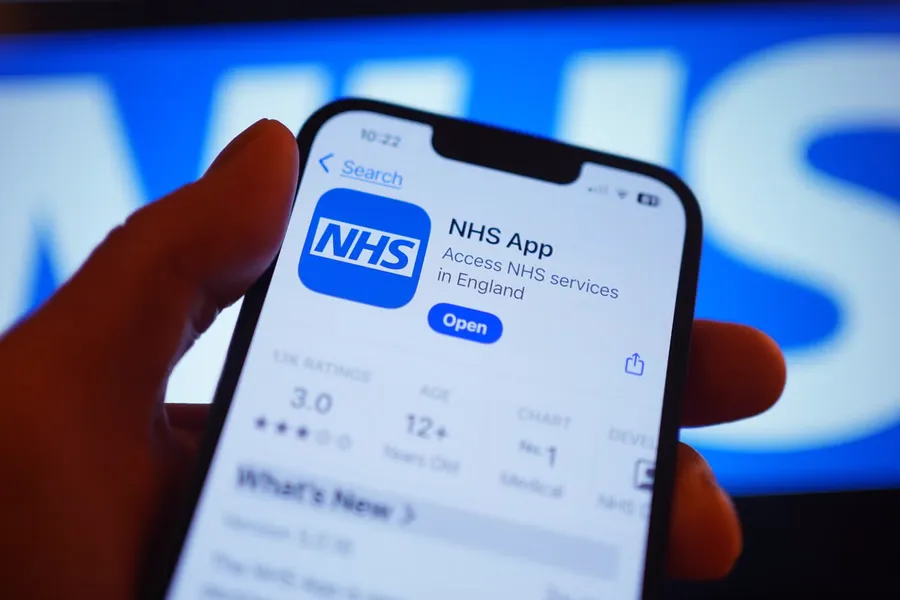
The NHS is adding an AI triage tool to the NHS app to help patients find the right service, whether a GP appointment, pharmacy, or emergency care. The feature is part of a broader tech overhaul that also includes AI note-taking tools for clinicians. For AI builders, this rollout offers a real-world example of patient-facing AI in a large public health system, with important lessons for integration, privacy, and safety.
What happened
The NHS plans to embed an AI triage system directly into the NHS app. It asks patients a series of adaptive questions and uses their responses to direct them to the most appropriate service: a GP appointment, pharmacy, A&E, community service, or self-care advice. A 12-month pilot expects to reach more than 200,000 patients, with full availability to all app users by April 2028. A trial at a GP practice in Sussex led to a 29% reduction in phone queues, suggesting the tool can meaningfully shift demand away from phone booking.
Separately, the NHS is rolling out AI note-taking tools nationally. A trial across nine London NHS sites found clinicians spent almost 25% more time with patients when using the tool. Initial deployments target hospital appointments at trusts including St George's, Epsom and St Helier, Croydon, Kingston and Richmond, Alder Hey, and Manchester University NHS Foundation Trust. Both initiatives are funded through the 10 billion pound government investment in NHS technology.
Why AI builders should care
This is one of the largest real-world deployments of AI triage in a public healthcare system. Builders working on healthcare chatbots, clinical decision support, or digital front door products should study the approach: adaptive question flows that route patients based on risk and urgency. The system is designed to complement clinical judgment, not replace it. Dr Ragu Rajan, who ran the Sussex trial, said it gave clinicians back time to focus on care. For teams building similar tools, the key challenges include integration with existing booking systems, ensuring the model handles edge cases safely, and maintaining patient trust in AI-driven recommendations.
Practical implications
The AI triage tool will need to handle diverse patient populations, languages, and health literacy levels. Builders should note the guardrails called for by the Royal College of Nursing: patient safety must remain central, and a health professional should make decisions at key points. The AI note-taking rollout also matters for developers of ambient scribe products. The 25% time gain suggests strong demand, but accuracy and data privacy are unresolved concerns. The NHS is prioritizing infrastructure upgrades alongside these tools, which may affect latency and reliability for API
Sources
- New ‘AI triage’ feature will be added to NHS app in ‘major overhaul’ of tech
- Google News - News about NHS • AI - Overview
- NHS app to use AI to determine which service best for patients
- NHS app to use AI to determine which service best for patients
- NHS England » NHS accelerates artificial intelligence rollout to cut...
- NHS App AI Triage Tool to Direct Patients by 2028
- New AI feature will be added to NHS app in 'major overhaul' of tech
- AI will tell NHS patients if they need a GP appointment
- The AI doctor will see you now! NHS app will tell... | Daily Mail Online
- New AI feature will be added to NHS app in 'major overhaul' of tech
- NHS app to use AI to determine which service best for patients