How China’s AI-for-All push challenges US policy playbooks and what builders should watch
Published by AINave Editorial • Reviewed by Ramit
US policymakers are signaling a tougher stance on China's rapidly advancing AI models, raising the possibility of sanctions on foreign models found to steal American intellectual property. For AI builders, this means the cross-border model sourcing landscape could shift, with new compliance and governance requirements on the horizon.
What happened
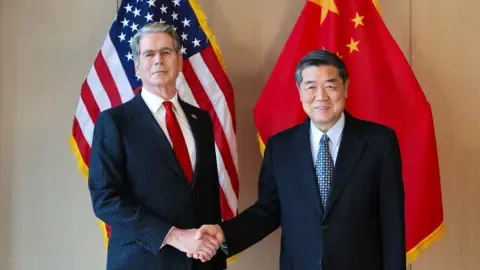
The rapidly increasing global competitiveness of China's artificial intelligence models is ringing alarm bells in Washington. US Trade Representative Jamieson Greer said the administration is "taking a very close look at how China is propagating its AI development." Treasury Secretary Scott Bessent separately warned that the US could sanction any foreign models found to be stealing American intellectual property and suggested pressure could be placed on companies using Chinese AI. "You can't use counterfeit goods," he said.
Why AI builders should care
If you are building, deploying, or integrating AI models, the policy discussion directly affects your toolchain. The Bloomberg report frames the AI race as a strategic policy issue that could lead to sanctions on foreign models and pressure on companies using Chinese AI. Teams that source models from Chinese vendors or deploy open-weight models from China may face increased scrutiny, compliance requirements, or even restrictions.
This is not just a geopolitical headline. It is a signal that cross-border AI collaboration may become more regulated, affecting everything from API access to model licensing. Builders who rely on cost advantages from Chinese models should start evaluating alternative suppliers and internal capabilities.
Practical implications
If sanctions or stricter controls are implemented, teams may need to diversify AI model sources, invest in internal capabilities, or implement governance around third-party AI usage. The policy framing suggests that companies deploying Chinese AI could face pressure, which may affect vendor relationships and deployment options.
For product teams and operators, this means adding IP provenance checks to your model evaluation process. If your stack includes models from Chinese providers, now is the time to document your supply chain and understand the IP risk profile. The exact policy actions are not yet defined, but the direction is clear: the US is preparing to act.
Caveats
The evidence in the Bloomberg report reflects policy framing and statements from officials. Exact policy actions and sanctions are subject to change. No specific regulations or timelines have been announced. The discussion is ongoing, and the final shape of any US response will depend on further policy development and enforcement decisions.
FAQs
Sources
- China’s ‘AI for All’ Push Defies US Containment Playbook
- China's 'AI for All' Offensive Defies US Containment Playbook
- China’s AI Shock Is Crashing US Nasdaq Stocks - YouTube
- Join DeepSeek API platform to access our AI models, developer...
- reuters.com/technology/chinas-deepseek-sets-off-ai-market-rout-2025...
- All signs point to Trump pushing AI growth | AI... | The Guardian
- The Case Against Containment: The Strategy Didn’t Win the Cold...
- What Is Containment playbook? Definition & Examples
- Trump administration reportedly reviving push to ban Chinese AI...