Google search dominance in AI era shows cracks as AI-powered discovery reshapes user behavior
Published by AINave Editorial • Reviewed by Ramit
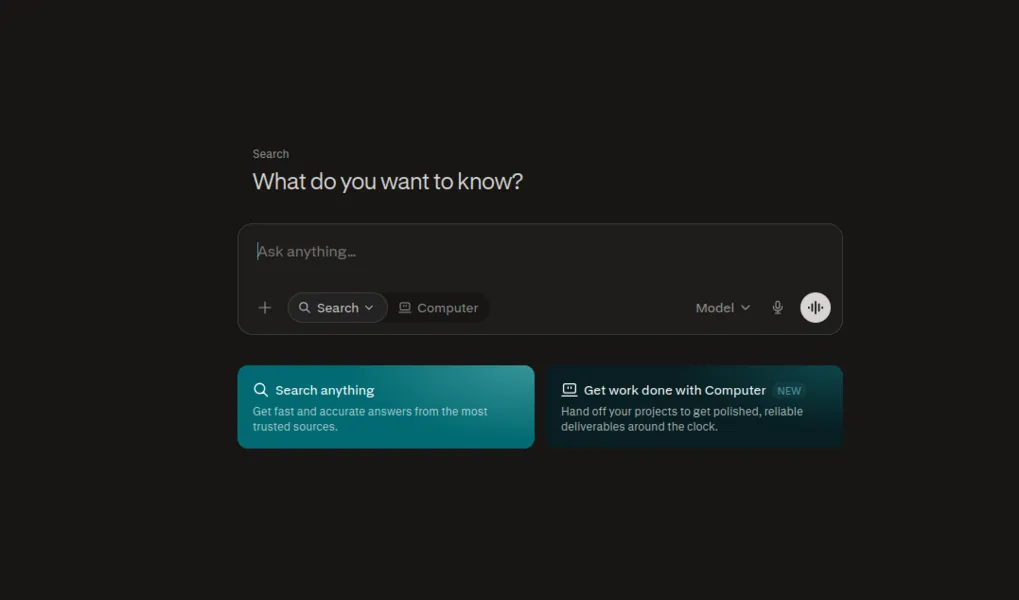
Google's long-standing dominance in search is showing real cracks as AI-powered discovery tools and changing user habits reshape the search landscape. While Google still controls 90% of the search market and its stock has more than doubled in the past year, search traffic has softened slightly over the past month as ChatGPT approaches 1 billion monthly active users. For AI builders, this shift means rethinking how users find information, where ads appear, and which platforms to build on.
What happened
Google remains the dominant search engine with roughly 90% market share, and its Q1 revenue growth was the fastest since 2022. But several signals point to a changing landscape. Google's search engine traffic is down more than 1% over the past month, while ChatGPT traffic is up. DuckDuckGo reports install rates jumping up to 40% a week, and as much as 75% from before Google's I/O announcement. Microsoft's Bing reached 1 billion users for the first time last quarter.
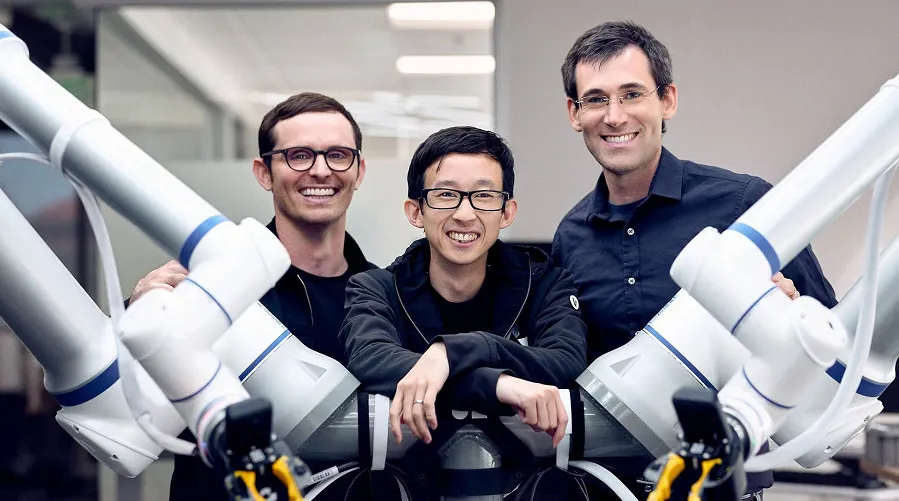
High-profile talent exits are also notable. Noam Shazeer, a vice president of engineering and co-lead of Gemini AI, left Google for OpenAI, and John Jumper, DeepMind vice president, left for Anthropic. Alphabet's stock had its worst day in more than a year, dropping 5%, following these departures.
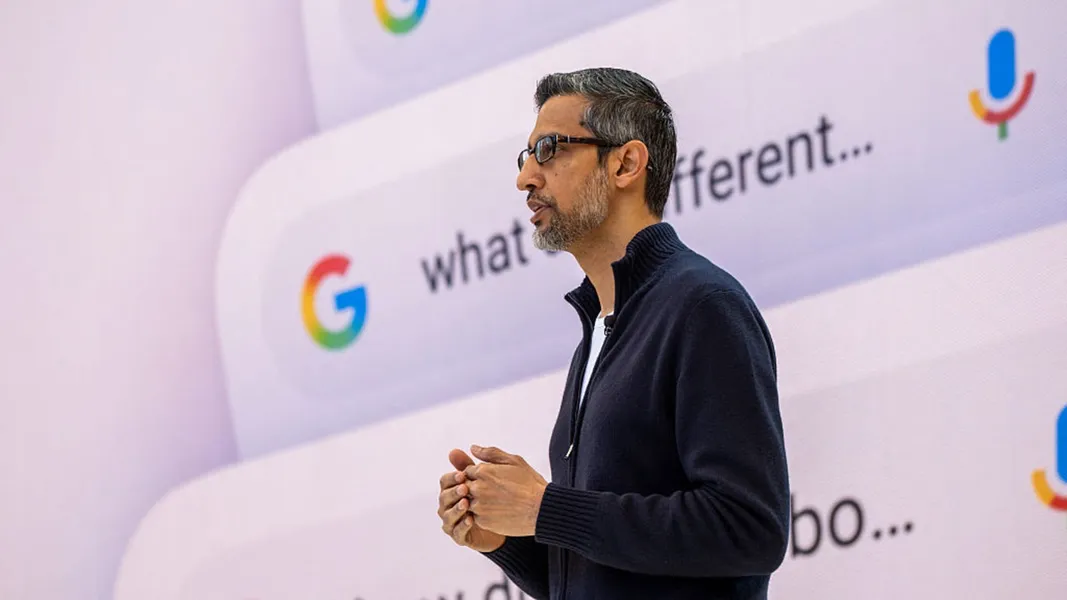
At its I/O developer conference, Google introduced AI Mode directly in the search box and added image generation features like Nano Banana. DuckDuckGo launched a no-AI search option with new browser extensions, and Microsoft released a Bing AI Search Choice extension that lets users turn off AI chat features.
Why AI builders should care
The shift to AI-assisted discovery changes the fundamental user journey. Roughly 68% of all Google searches now end without a click to an external website, according to data from SparkToro and Similarweb. Publishers like Condé Nast are already planning as if search traffic will go to zero. For builders creating AI-powered search or discovery products, this means the traditional SEO-driven traffic model is eroding.
The talent war also matters. The departures of Shazeer and Jumper reflect an industry-wide war for talent in which frontier labs are aggressively bidding. This could accelerate the development of competing AI search and discovery tools, creating more options for users and more fragmentation for builders to navigate.
Practical implications
Product teams should plan for alternative discovery paths beyond traditional web search. DuckDuckGo's no-AI option and Microsoft's Bing AI Search Choice extension show that a segment of users wants control over AI integration. Builders should consider how their products appear in AI summaries, chat interfaces, and browser extensions.
Google's response includes deeper AI integration in search, but also risks alienating users who prefer traditional search. The company is spending close to $200 billion on AI infrastructure and betting on long-term bets like Waymo. For developers, this means Google will remain a major AI platform player, but its search monopoly is no longer guaranteed.
Ad monetization is also shifting. Ads still account for about three-quarters of Google's revenue, but AI summaries reduce click-through rates. New ad models like conversational discovery ads may emerge, changing how builders monetize content and traffic.
Caveats
Google still holds 90% search market share and its stock has more than doubled in the past year. The traffic declines are small (over 1% in a month) and may not be permanent. The narrative is based on a single CNBC report and related coverage; exact figures may vary. Legal and regulatory developments, including antitrust actions and wrongful death lawsuits, could alter the trajectory. User behavior remains heterogeneous, and not all users are abandoning traditional search.
FAQs
Sources
- Google’s online dominance is showing signs of cracking in AI era
- Google’s Online Dominance Is Showing Signs Of Cracking In The ...
- Google vs AI search: is Google’s dominance fading?
- Why Google’s search model is cracking under AI pressure
- Google’s Online Dominance Shows Signs of Cracking as Search ...
- Google I/O 2026 Signals Agentic AI Shift To Defend Search Dominance
- Trump signs AI executive order asking companies to give government early access to models
- Google’s Dominance is Cracking: Why 2026 is the Year of ...
- Google’s search dominance is cracking: what marketers should ...
- Google is simultaneously the most dominant and most vulnerable it has ever been
- Alphabet has its worst day in over a year on AI concerns after high-profile exits
- Google's online dominance Is showing signs of cracking in AI era
- Google's online dominance is showing signs of cracking in AI era
- Google's online dominance is showing signs of cracking in AI era
- Google's online dominance Is showing signs of cracking in AI era