Google's hand gesture CAPTCHA is weak: bypassed with stock photos and OBS Studio
Published by AINave Editorial • Reviewed by Ramit
Google is testing a controversial new hand gesture verification (HGV) method for reCAPTCHA that uses your device's webcam to check if you're human. Early testing shows the system is already defeated by a stock photo and virtual camera software, raising serious questions about reliability, privacy, and the future of biometric CAPTCHAs for AI builders.
What happened
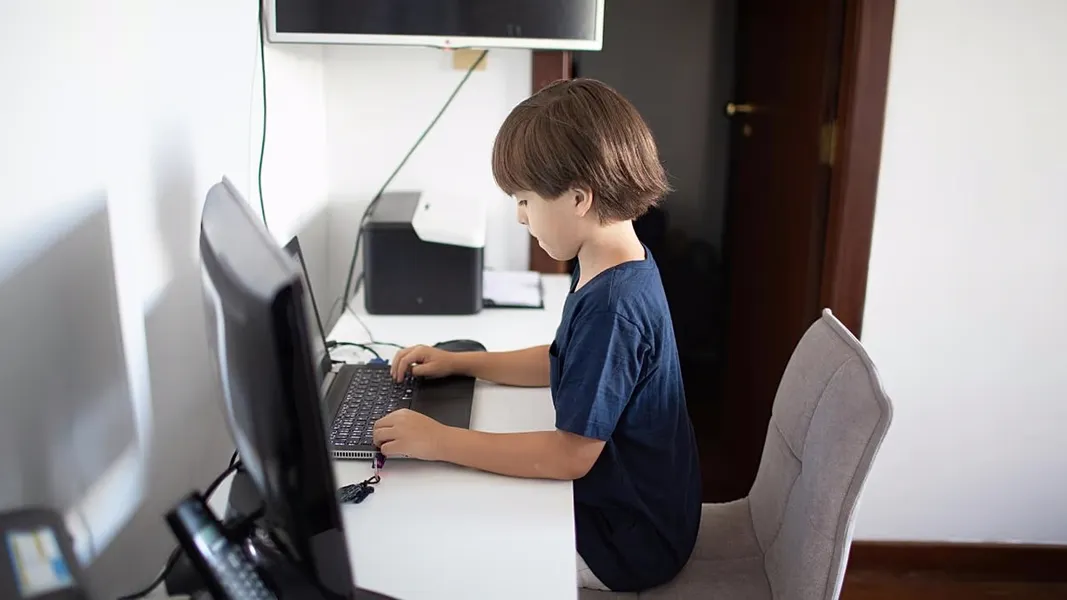
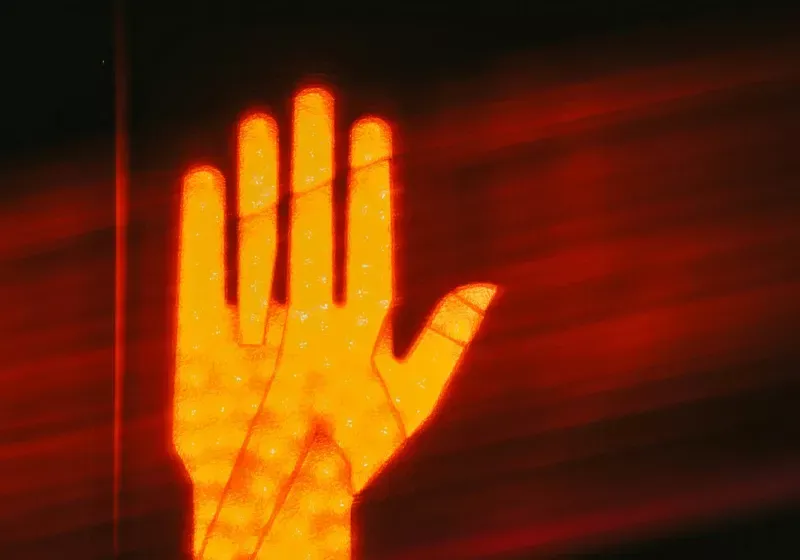
Google's reCAPTCHA team is trialing a biometric challenge called hand gesture verification (HGV). Users must grant camera access and perform a hand wave or gesture so the system can record a short video clip, extract biometric data points, and confirm liveness. According to reports, the hand gesture CAPTCHA was demonstrated as an early test and is intended to stop advanced AI bots that can bypass traditional CAPTCHAs.
However, testers have already shown that HGV can be bypassed with a few stock images and OBS Studio's virtual camera. By mimicking a hand gesture with a static photo and using a virtual camera to replace a physical webcam, attackers can fool the system without any real biometric input. The method is reportedly straightforward to automate with Python scripting.
Why AI builders should care
For anyone building AI products, this development is a warning about the limits of biometric liveness detection. The hand gesture CAPTCHA was designed as an upgrade to reCAPTCHA, a widely used anti-bot service. Yet the bypass methods used against HGV are the same techniques already used to defeat other AI verification systems: model-based automation, synthetic inputs, and virtual camera injection.
If biometric CAPTCHAs like HGV cannot reliably distinguish a human hand from a stock photo, they offer little additional security over existing text or image challenges. Deploying such a system at scale could create a false sense of protection while introducing new attack surfaces and user friction.
Practical implications
- Integration risk: Relying on biometric reCAPTCHA variants in your signup or checkout flows could expose your product to the same bypass techniques, without the coverage of traditional CAPTCHAs.
- Privacy costs: Users must grant camera access to browse a site, normalizing continuous background surveillance by Big Tech. Google states videos are processed only to detect the gesture and are deleted soon after, with no identity linkage and no audio recording. But broader concerns about cloud data retention persist, as illustrated by past Nest privacy incidents and potential Gemini integration questions.
- User friction: Forcing camera access triggers browser permission dialogs and user hesitation, likely increasing drop-off rates compared to invisible CAPTCHAs.
Caveats
This feature is in early, limited testing and not widely deployed. Google has not announced when or if HGV will become a standard reCAPTCHA option. The bypass demonstrations rely on controlled test environments; real-world abuse may require more sophistication. Nonetheless, the ease of the bypass casts doubt on the overall approach. Developers should treat biometric CAPTCHAs as unproven and weigh the privacy tradeoffs carefully before integrating them into products.
FAQs
What is Google’s hand gesture CAPTCHA and how does it work?
It is a proposed reCAPTCHA check that uses the device webcam to record short clips of a user’s hand and requires waving or gestures to verify humanity. Google describes the process as detecting liveness by extracting biometric data points from the gesture. The feature is in early testing and has not been described as widely deployed. TechSpot
Can a hand gesture CAPTCHA be bypassed, and what methods were used in bypasses?
Early testing shows the system can be bypassed with stock photos. Attackers can use OBS Studio’s virtual camera to simulate a webcam and mimic gestures without a real camera. Automation with stock images and scripting may enable bypasses. TechSpot
What data is captured during webcam-based CAPTCHAs and how is it used or deleted?
Google states videos are processed to detect the gesture and are deleted after verification. There is no identity linkage claimed, and no audio recording according to Google. No long-term identity data is reportedly retained for this feature. TechSpot
Does webcam-based CAPTCHA pose privacy risks or constant camera access concerns?
Yes, privacy concerns arise from continuous camera access and potential normalization of background surveillance by Big Tech. The feature could set precedents for more pervasive data collection through browser-based verification. Google asserts no identity linkage and deletion of video, but broader cloud data handling concerns persist. TechSpot
Sources
- Google is testing a webcam CAPTCHA that scans your hand, but it's already been bypassed using a photo
- Google's new hand gesture CAPTCHA was fooled by a stock photo
- Google testing controversial webcam-based... - WorldNL Magazine
- Google reCAPTCHA Hand Gesture Verification Bypassed by Stock...
- Google wants to scan your hand to prove you're human - Korben
- Google’s new CAPTCHA asks users to wave hand at... | [H] ard|Forum
- Google testing controversial webcam-based reCAPTCHA that asks for a hand scan to prove you're human
- Google testing controversial webcam-based... | Tom's Hardware
- Google tests biometric CAPTCHA that reads hand gestures via camera