Facebook flagged an AI-generated far-right influence campaign a month ago and didn't act
Published by AINave Editorial • Reviewed by Ramit
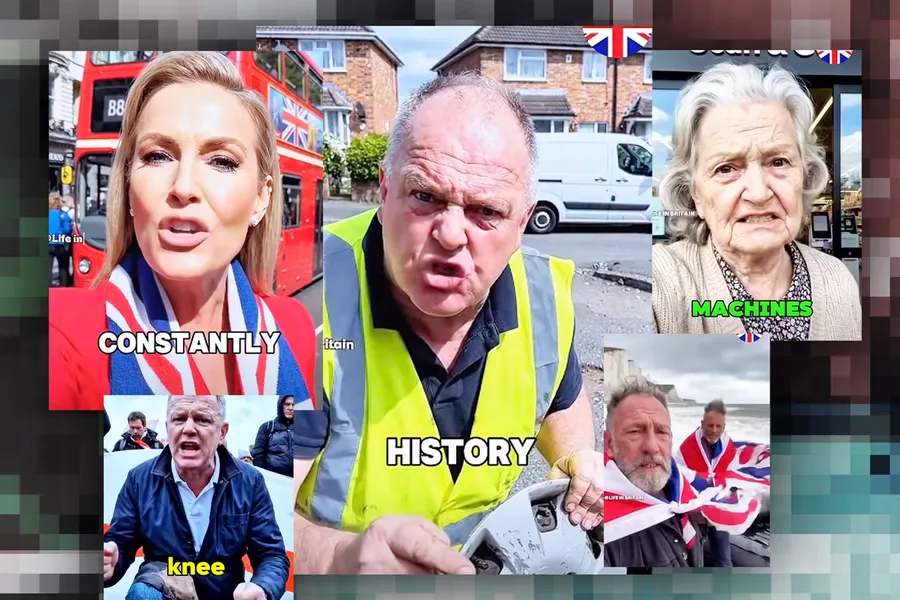
A Facebook page called Life in Britain, managed from Sri Lanka, has been posting AI-generated far-right videos about UK politics. The videos reached millions of views without any AI content labels. Meta, Facebook's parent company, was notified by The Independent more than a month ago but has not taken public action or disclosed investigation timelines.
What happened
The Life in Britain page has more than 100,000 Facebook followers and posts politically charged videos about UK immigration, agriculture, and public services. Transparency information on the page shows managers are based in Sri Lanka, despite producing content aimed at UK audiences.
Experts at Resemble AI, a deepfake and synthetic media detection company, analyzed the videos and found they were 97 percent likely AI-generated. The assessment detected unnatural audio and visual flaws including distorted faces. Zohaib Ahmed, founder of Resemble AI, described the page as part of an "AI-generated influence campaign" designed to amplify British political narratives online.
The Independent reported that Facebook told them on May 29 it was investigating the account. More than a month later, no public explanation, action timeline, or confirmation of enforcement has been provided.
Why AI builders should care
This case shows how AI-generated content can bypass platform moderation at scale. Social media algorithms amplify divisive content rapidly, making detection a critical safety layer for any deployment that generates media.
Dr. Lukasz Olejnik, visiting senior researcher at King's College London, warned that AI-generated video creates false visual evidence that is easy to share, emotionally persuasive, and difficult to verify quickly. He noted that repeated exposure to synthetic content risk eroding trust in institutions, journalism, and elections.
For AI builders shipping media generation tools, the case highlights three things. First, platforms react slowly even after detection, so proactive labeling matters more than relying on downstream moderation. Second, detection tools like Resemble AI's audio-visual analysis exist but are not always used by platforms. Third, regulatory scrutiny is growing: the UK House of Commons home affairs committee previously examined AI-generated images during the Southport riots, and London Mayor Sadiq Khan pledged 7 million pounds to counter online disinformation.
Practical implications
For builders, the case suggests concrete actions:
- Implement detection early. Resemble AI's 97 percent assessment used audio-visual analysis. Adding similar detection to your generation pipeline helps flag suspicious outputs before distribution.
- Label AI content at generation time. The Meta Oversight Board recommended that the company label AI-generated content more proactively and invest in stronger detection tools. If you control the generation layer, watermarking or metadata labeling is more reliable than hoping platforms catch it.
- Design with distribution in mind. The LSE study cited in the article found that social media posts containing visual racist conspiracy theories were amplified 30 percent more than others. If your tool generates political content, consider how algorithmic amplification could be gamed.
Caveats
This story is based on investigative reporting from The Independent. Facebook's internal timeline, monetization details, and specific enforcement steps were not disclosed in the available sources. The findings reflect one detected campaign, but similar operations may exist without detection. The UK government has existing legal frameworks for platform content moderation, but enforcement timelines remain unclear.
FAQs
What is the Life in Britain page and what AI-generated videos does it post?
The Life in Britain page is a Facebook page with over 100,000 followers that posts politically charged videos about UK immigration, agriculture, and public services. The Independent reports that the page's managers are based in Sri Lanka, despite targeting UK audiences. None of the videos carry AI-generated content labels.
How does Meta label or detect AI-generated political content?
Meta's independent Oversight Board has recommended that the company label AI-generated content more proactively and invest in stronger detection tools. The article did not detail a public timeline of actions Meta has taken in response.
Why has Facebook/Meta reportedly not acted on AI-generated videos?
Facebook told The Independent on May 29 that it was investigating the Life in Britain account, but did not provide a timeline for the investigation or confirm whether any action would be taken. The company also did not respond to questions about monetization.
What are the risks of AI-generated misinformation for UK elections and trust in institutions?
Experts quoted in the piece warn that AI-generated video can create false visual evidence that is easy to share and emotionally persuasive. Repeated exposure risks eroding trust in institutions, journalism, and electoral processes. The article notes previous cases where AI-generated images fueled real-world unrest, including the Southport riots.
Sources
- Facebook take no action on AI-generated far-right ‘influence campaign’ after it was flagged a month ago
- Facebook parent Meta bans political campaigns from using generative AI advertising tools | The National
- The Qatar Plot: How a covert influence campaign helped Europe’s far right | The Far Right | Al Jazeera
- He got Facebook hooked on AI. Now he can't fix its misinformation addiction | MIT Technology Review
- Facebook owner Meta accused of letting AI sellers 'run rampant'
- Facebook take no action on AI-generated far-right ‘influence campaign’
- Facebook take no action on AI-generated far-right ‘influence... - AOL
- AI-Generated Far-Right Persona Monetising Adult Content on...
- Facebook take no action on AI-generated far-right ‘influence...
- Telegram: View @aiinfluenc
- GPT Image 2: Try ChatGPT Images 2.0 Free Online, No Sign-up
- Facebook take no action on AI-generated far-right ‘influence campaign’
- Facebook take no action on AI-generated far-right ‘influence ...
- Google News - Facebook - Latest
- Danny Bones: the AI rapper funded by a far-right party