Global AI governance push: what it means for builders and operators
Published by AINave Editorial • Reviewed by Ramit
The UN-led Global Dialogue on AI Governance is pushing for universal guardrails on artificial intelligence. For AI builders, founders, and product teams, these discussions signal that regulation is coming, and the debate over safety, information integrity, and equitable access will shape how and where AI products can be deployed.
What happened
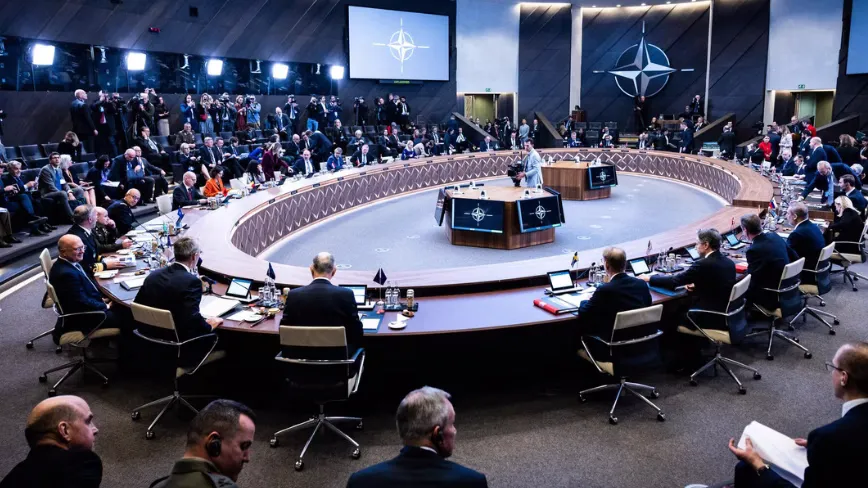
The Global Dialogue on AI Governance opened in Geneva on July 6-7, 2026, bringing together governments, tech companies, academics, and civil society. The event is anchored by the UN's Independent International Scientific Panel on Artificial Intelligence, a 40-expert body that published its first report on July 1, 2026, outlining opportunities, risks, and policy options.
Key participants include Yoshua Bengio and Maria Ressa (co-chairs of the scientific panel) and ambassadors Rein Tammsaar of Estonia and Egriselda López of El Salvador (co-chairs of the dialogue). Bengio warned that AI is "approaching or surpassing human capabilities in many domains" and "outpacing both scientific understanding and governments' ability to adapt." Ressa highlighted information integrity as the core battle, calling AI-driven misinformation an "information Armageddon."
Why AI builders should care
These governance discussions will directly affect how AI products are built, deployed, and regulated. Bengio stated that "science currently cannot guarantee that as capabilities continue to increase, AI will not cause catastrophic harm, either on its own or due to malicious users." For builders shipping AI agents, chatbots, or automation tools, this means safety safeguards and transparency requirements are likely to become mandatory, not optional.
The panel's report provides independent science available to every government, which could inform national regulations. Builders should monitor these developments to anticipate compliance requirements, especially around deceptive AI behavior and information integrity.
Practical implications
Tammsaar noted that frontier AI development is concentrated in the US and China, leaving other countries with questions about access and competitiveness. The "AI divide" is a real concern: López pointed out that some countries lack infrastructure and skills while others race ahead. For product teams, this means deployment strategies may need to account for varying regulatory environments and infrastructure readiness across regions.
Governance discussions also emphasize inclusive benefits. Tammsaar said AI "could be a great equalizer" for economic development, science, and health systems. Builders targeting global markets should consider how their products can serve underserved regions without widening the divide.
Caveats
The source material comes from UN-linked coverage and participant quotes. These reflect perspectives on governance and safeguards but do not represent binding commitments or universal consensus. The dialogue is a first step, and actual regulation will take time. Builders should treat these signals as directional, not definitive.
No specific technical guardrails, benchmarks, or pricing details are available from this source. The discussion remains at the policy level, so practical implementation details are still emerging.
FAQs
What is global AI governance and why is it being discussed now?
Global AI governance refers to international efforts to create universal guardrails for artificial intelligence. It is being discussed now because AI capabilities are advancing faster than regulations, and the UN's Independent International Scientific Panel on AI published its first report on July 1, 2026, outlining opportunities, risks, and policy options. The Global Dialogue on AI Governance in Geneva aims to ensure benefits are shared globally while preventing catastrophic harm.
Who is involved in the UN-led dialogue on AI governance?
Participants include governments, tech companies, academics, and civil society. Key figures include Yoshua Bengio and Maria Ressa (co-chairs of the UN's Independent International Scientific Panel on AI), and ambassadors Rein Tammsaar of Estonia and Egriselda López of El Salvador (co-chairs of the Global Dialogue). The UN-led dialogue brings together diverse stakeholders to discuss inclusive governance.
What are the proposed guardrails or safeguards for AI?
The dialogue and the scientific panel's report discuss guardrails to guide responsible AI development, protect information integrity, and prevent harmful deployment. Specific proposals include ensuring AI systems are transparent, accountable, and aligned with human values. The panel's report provides independent science and policy options for governments to consider.
How might AI governance address information integrity and deceptive AI?
Information integrity is a core concern. Maria Ressa warned that AI used in social media can spread lies faster, calling it an 'information Armageddon.' Yoshua Bengio noted growing evidence of deceptive AI behavior. Governance aims to prevent misinformation and deception through safeguards that keep pace with AI capabilities.