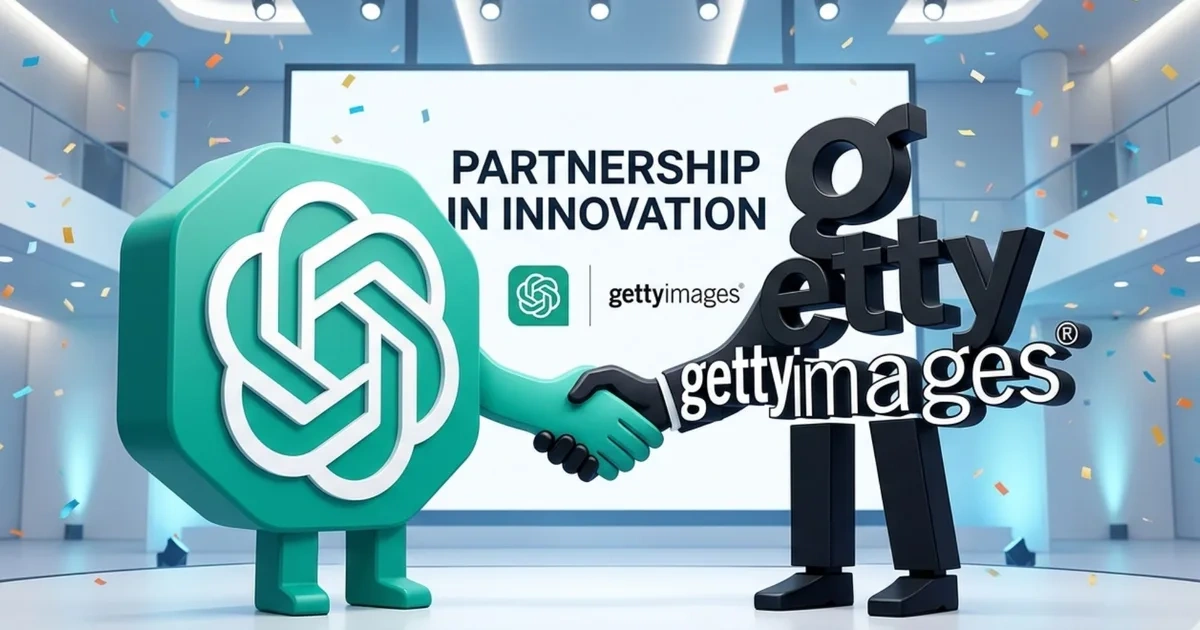
Getty Images and OpenAI strike licensing-based partnership to surface licensed content in ChatGPT visuals
Published by AINave Editorial • Reviewed by Ramit
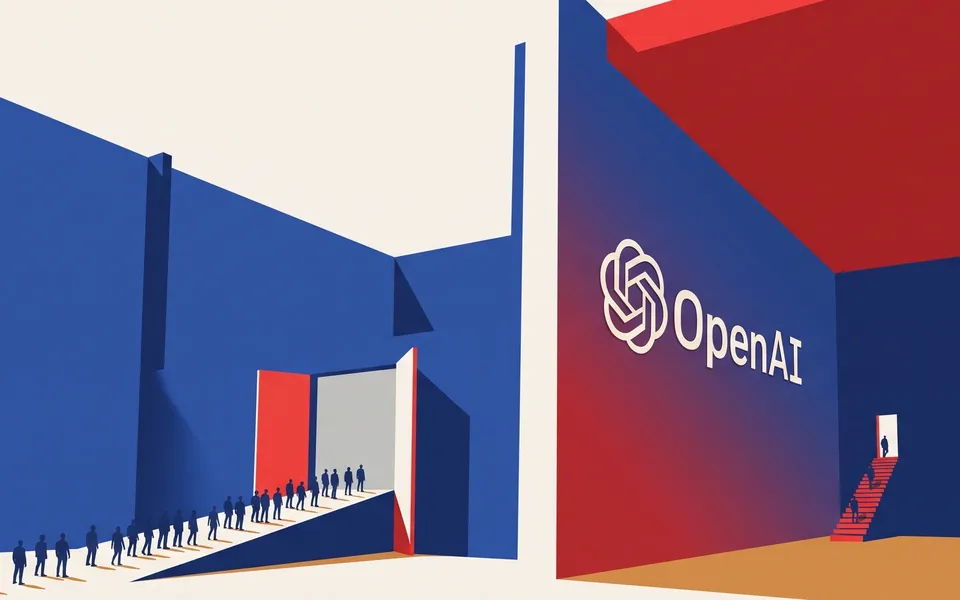
Getty Images, the company that spent years suing AI firms over unlicensed training data, is now an official content partner for ChatGPT. The Getty Images OpenAI licensing partnership will bring Getty's professionally licensed photography, journalism, sports imagery, entertainment coverage, and historical archives into ChatGPT's search and discovery experiences. For AI builders, this move from litigation to licensing is a practical signal about how image sourcing for AI products is evolving.
What happened
OpenAI and Getty Images announced a deal that allows Getty's licensed visual content to appear across ChatGPT's search and discovery experiences. The agreement covers Getty's library of professional photography, journalism, sports imagery, and historical archives. Getty stock surged up to 179% on the news, reflecting market confidence in the licensing model. The goal, per Getty, is to make AI-powered search more useful and trustworthy by relying on high quality, licensed content rather than murky sourcing practices.
This partnership contrasts sharply with Getty's ongoing copyright lawsuit against Stability AI, which began in London's High Court in 2025. Rather than continuing courtroom battles, Getty is now exploring formal licensing agreements with a major AI platform.
Why AI builders should care
For teams building AI products that include visual content, this partnership demonstrates a viable path to licensed image sourcing without legal risk. If OpenAI can integrate Getty's licensed library into ChatGPT, similar API-based access could become available for other developers. The deal also signals that major rightsholders are open to collaboration under the right terms, which could accelerate the availability of licensed visual content for AI products beyond just search.
The partnership reinforces the growing preference for permission-based AI training and content use over scraping unverified sources. For developers, this means building with licensed content could become a competitive advantage as regulations and platform policies tighten.
Practical implications
If you are building an AI product that shows images to users, this deal suggests that licensed asset integration is becoming a mainstream expectation. OpenAI now has access to a professionally curated and rights cleared image library, which it can surface in ChatGPT responses. This could improve trust and reduce the risk of copyright claims for AI generated answers that include visual context.
For builders who rely on image generation or search features, the deal may influence how you approach AI image sourcing with licenses and attribution. Expect more content owners to seek similar licensing deals, which could lead to a marketplace for licensed training data and API accessible visual assets.
Caveats
The announcement covers display rights within ChatGPT, not necessarily training rights. The articles do not specify whether OpenAI can use Getty images to train its image generation models. The exact scope of the license, attribution requirements, and implementation timeline remain unclear. As noted in the source material, details on implementation and scope may evolve. Builders should monitor for specific API terms if they plan to integrate Getty content into their own products.
FAQs
Sources
- Getty Images accused AI of wholesale theft. It’s now an official ChatGPT image partner.
- #GettyImages has announced a new display agreement with #OpenAI ...
- #GettyImages has announced a new display agreement with #OpenAI ...
- From ChatGPT to Deepfake Apps: A Running List of AI Lawsuits
- "#gettyimages" - Results on X | Live Posts & Updates - Twitter
- Getty Images accused AI of wholesale theft. It’s now an ...
- Getty Images surges 179% on OpenAI display partnership deal
- Getty Images Announces Display Partnership with OpenAI (Getty ...
- Getty Sues AI Company For IP Infringement On Both Sides Of ...
- Getty Images + OpenAI Deal: The Full History of AI Image ...
- Getty Images Strikes Deal with OpenAI, Sending Getty's Stock ...