Meta Pocket: AI-generated gizmos as a low-stakes testbed for social AI
Published by AINave Editorial • Reviewed by Ramit
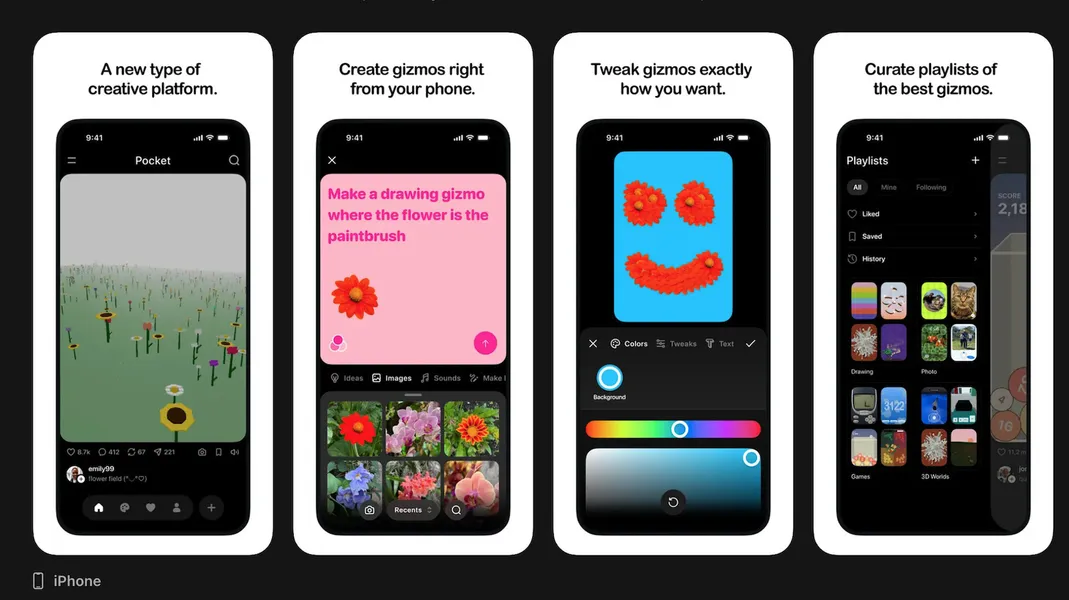
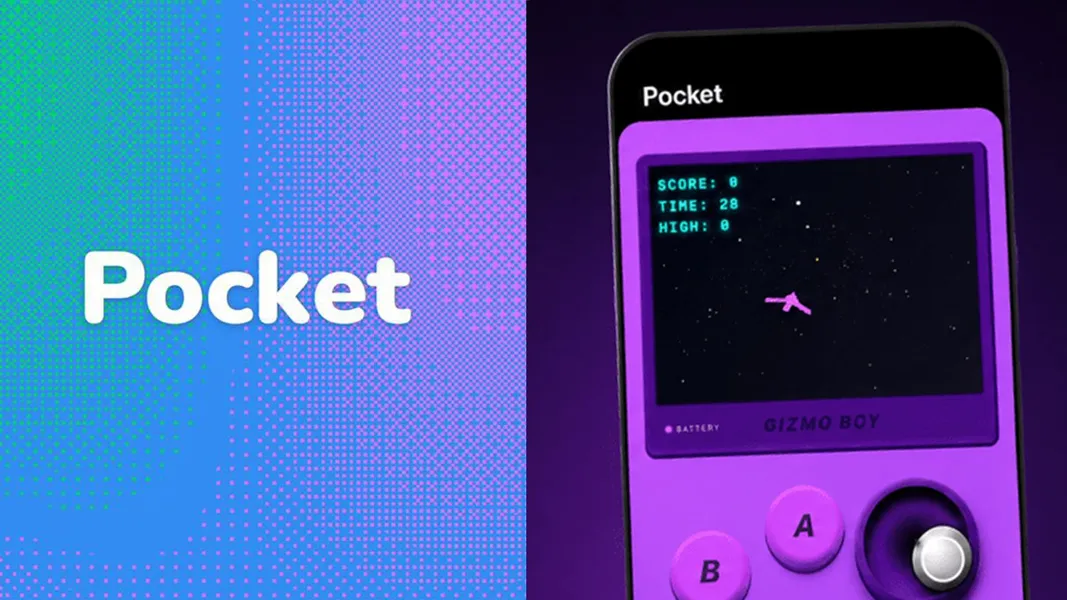
Meta quietly launched Pocket, a new social media app that replaces photos and reels with a feed of AI-generated mini-games called "gizmos." Available on iOS and Android in the US after a brief test in Brazil, Pocket lets anyone generate small puzzles, quizzes, and challenges from a text prompt using Meta's Muse Spark model. The games are simple, non-code experiences that use gestures, taps, phone movement, camera, and audio input. Users can save, share, repost, and remix gizmos in an Instagram-like feed.
For AI builders, Pocket is worth watching as a low-stakes testbed for prompt-driven content creation and social remixing. It shows Meta experimenting with a format where the AI model itself becomes the content engine, not just a tool for editing photos or writing captions. The app inherits the gizmo concept from Atma Sciences, whose technology and team Meta licensed. This pattern of acquiring and repurposing AI-native startups is something product teams should note.
Why this matters for AI builders
Pocket demonstrates a model for lightweight, AI-generated interactive content that doesn't require traditional game development. For indie developers and product teams, this format lowers the bar to publishing playable AI content and testing audience response quickly. The remix and repost mechanics could inform content circulation models for AI creation tools and marketplaces.
The use of Muse Spark as the generative engine suggests Meta is investing in specialized models for interactive content, not just text or image generation. Builders working on AI game prototyping or interactive experiences should watch how Pocket evolves, as it may signal where Meta plans to open up these capabilities.
Practical implications for indie developers
Pocket-type formats could enable rapid prototyping of AI game ideas without large marketing budgets or studios. The ability to generate a playable experience from a text prompt and immediately share it in a social feed creates a tight feedback loop. For product teams, the key takeaway is that AI-generated interactive content can be distributed and remixed like any other social media post, potentially creating new discovery pathways.
Caveats and unknowns
Pocket is explicitly experimental, and Meta has not disclosed user metrics, pricing, or a long-term roadmap. The app is currently US-only after a Brazil test. The gizmos are intentionally simple, not full-scale games. The source evidence is limited to a single article, and no official Meta documentation was available. Builders should treat Pocket as a signal of direction rather than a proven product.
OpenAI's similar experiment with Sora for video lasted only six months, so the longevity of AI-native social apps remains unproven. Pocket's success will depend on whether users find value in consuming and remixing AI-generated mini-games rather than traditional social content.
FAQs
Sources
- Meta's new social media app swaps photos and reels for your own AI-generated video games
- meta.ai
- Free AI Face Swap For Photos & Videos(No Sign-up)
- Free Online AI Face Swap for Photos, Videos & GIFs
- Free Face Swap Online | Photos & Videos
- Free AI Face Swap Online – Swap Faces in Photos & Videos Instantly
- Forget Instagram, Meta's new social media app swaps photos and reels for your own AI-generated video games
- AI Multiple Face Swap Online for 100% Free (No Sign-up)
- Forget Instagram, Meta's new social media app swaps photos ...
- Meta Launches Custom Feed of AI-Generated Video Clips
- Meta Vibes: How Meta’s AI Video App Works - Metricool
- Meta Launches Vibes: AI Video Feed With Remix Tools
- Meta's New 'Vibes' Feed Turns TikTok Into AI Slop, But Who ...