DOJ Backs xAI Against Minnesota's AI Nudification Ban: A Test for Federal vs. State AI Rules
Published by AINave Editorial • Reviewed by Ramit
The U.S. Department of Justice has waded into the legal fight over Minnesota's AI nudification ban, filing a statement of interest that largely backs xAI's challenge. The DOJ argues the state law overreaches federal restrictions and warns that a patchwork of state AI rules could hamper industry development. For builders shipping AI image tools, this case signals how state-level content laws may shape compliance requirements and regulatory risk.
What the Minnesota ban requires
Minnesota's law, effective August 1, 2026, prohibits owners or operators of websites, apps, and services from allowing users to "nudify" images or videos. Violations carry civil penalties of up to $500,000 per unlawful act. The law targets platforms rather than individual users, and state attorneys argued that terms of service banning nonconsensual nude generation are not enough when users can still generate the images.
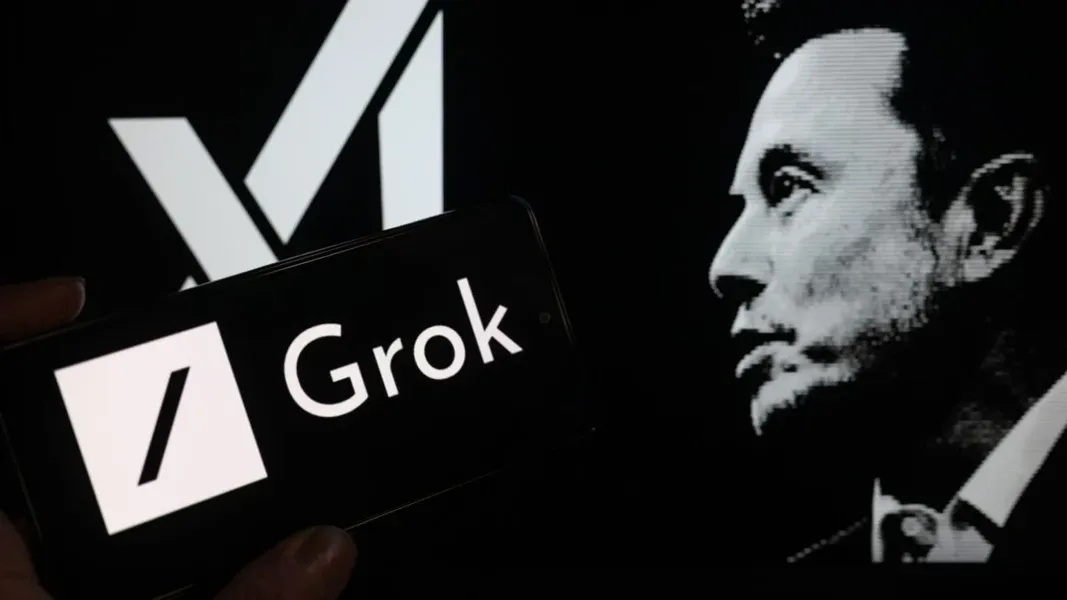
xAI, the company behind Grok, sued Minnesota Attorney General Keith Ellison in late July, alleging the law is unconstitutional. The company points out that its own policies already prohibit generating nude images without consent. A federal judge previously denied xAI's request for a temporary restraining order, citing the timing of the request (NBC News).
The DOJ's argument: federal preemption and industry impact
The Justice Department's statement of interest makes two main points. First, Minnesota's law goes further than existing federal laws such as the Take It Down Act, which requires platforms to remove reported nonconsensual intimate images, including AI deepfakes, within 48 hours. Second, the DOJ warned that a patchwork of state AI regulations could hinder national and economic security, tying the argument to the administration's push for fewer AI rules. However, the DOJ did not explicitly ask the judge to grant an injunction.
What builders should watch for
The key takeaway: the federal government is signaling a preference for a unified national approach to AI content regulation over state-by-state bans. If the court sides with xAI, it could set a precedent limiting how states can regulate AI-generated content. Builders should watch for a ruling on the preliminary injunction, expected soon (The Next Web). The case also highlights the importance of having clear content policies and enforcement mechanisms, as the state argued that policies alone are insufficient.
Additionally, the DOJ's involvement suggests that national security and economic competitiveness arguments may become central to future AI regulatory debates. For teams building image generation or agent-driven content tools, this case is a reminder that state laws can vary widely and that a single lawsuit can reshape the compliance landscape.
Caveats and open questions
The case remains ongoing. Judge Donovan Frank took the preliminary injunction request under advisement and said he would rule as soon as possible (Gizmodo). The DOJ's filing stops short of declaring the law unconstitutional; its focus is on federal overreach and industry impact. The law's penalties and scope are unprecedented, and other states may follow similar approaches regardless of this outcome. Builders should also note that xAI's own history with Grok generating nonconsensual sexualized images (including of minors) adds a complicating factor to the legal arguments.
Sources
- DOJ Throws Support Behind xAI's Fight Against Minnesota AI Nudification Ban
- DOJ supports xAI in lawsuit over Minnesota’s AI “nudification” ban
- DOJ Backs xAI Against Minnesota's Nudify Ban... | The Revision
- Minnesota's nudification ban takes effect after judge rejects xAIs bid...
- Judge denies request by Elon Musk’s xAI to block MN nudification ban
- Musk's xAI sues Minnesota over new AI image law banning nudification
- XAI challenges Minnesota nudification law with no safe harbor, no scienter
- Lawmakers, advocates hope Minnesota AI "nudification" ban will move forward despite Elon Musk lawsuit
- Elon Musk’s xAI sues Minnesota over first-of-its-kind law banning AI ‘nudification’ technology
- Elon Musk’s company sues Minnesota over ban on AI nudification technology
- DOJ backs xAI in fight over Minnesota nudify ban
- DOJ backs xAI in Minnesota nudification law fight: files ... - Softonic
- Elon Musk's xAI battles Minnesota over AI 'nudification' ban
- Judge denies bid by Musk's xAI to block Minnesota nudification ban
- Judge denies request by Elon Musk’s xAI to pause Minnesota nudification ban