
Monday, October 19, 2026
AINave Daily
Every morning by 6 AM ET
Monday, October 19, 2026 · Every morning by 6 AM ET
What happened in AI and tech yesterday, in one short read. Every story links to its sources.
Sun, Oct 18 · 17 stories · 7 min read
StepFun and DeepSeek widen the open-weight options for agent builders
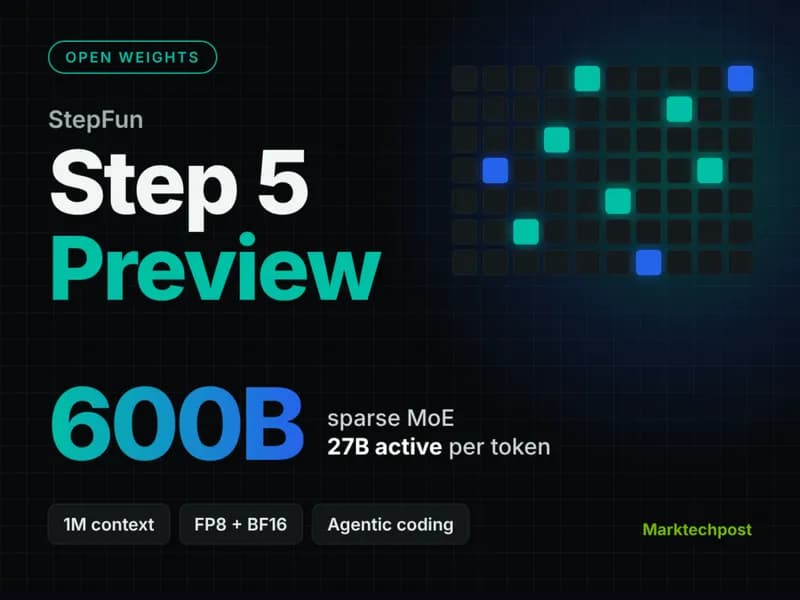
StepFun has published open weights for its 600-billion-parameter Step 5 Preview, and DeepSeek has shipped a faster, leaner update to V4.1-Flash, giving teams more models they can host themselves for long-running agent work. Outside the model releases, things are getting harder for agents: the FTC has subpoenaed OpenAI and Anthropic over safety incidents, and major websites are blocking agents from acting for users. Here are the 5 stories that matter most, then 12 briefs.

On the front page
Plus 12 briefs
Past editions
RSSRSS feedLast week · Oct 12–18
- Sat, Oct 17 · 20 stories · 6 minSatOct 17China's AI export proposal, agent access to Indian systemsPolicy & legalIndustryResearchModels20 stories · 6 min
- Fri, Oct 16 · 20 stories · 6 minFriOct 16Muse Spark Open on Macs, Nemotron 3.5 Super VLModelsFunding & dealsInfrastructureResearch20 stories · 6 min
- Thu, Oct 15 · 20 stories · 6 minThuOct 15OpenAI state lawsuits, a call to air-gap cyber-capable AIPolicy & legalIndustryModelsProducts20 stories · 6 min
- Wed, Oct 14 · 20 stories · 6 minWedOct 14Gemini 4 Argon launch, Character.ai bankruptcyModelsIndustryPolicy & legalResearch20 stories · 6 min
- Tue, Oct 13 · 20 stories · 6 minTueOct 13Meta's Muse Wonder models, Microsoft's Maia 300 chipModelsInfrastructurePolicy & legalResearch20 stories · 6 min
- Mon, Oct 12 · 15 stories · 4 minMonOct 12ChatGPT safety tests, Cloudflare Clef-omniModelsFunding & dealsProductsIndustry15 stories · 4 min
Oct 5–11
- Sun, Oct 11 · 15 stories · 4 minSunOct 11Agent security failures, Nadella's emergency brakeIndustryPolicy & legalModelsInfrastructure15 stories · 4 min
- Sat, Oct 10 · 20 stories · 6 minSatOct 10Anthropic's agent controls, GLM-5.3 safeguardsIndustryResearchPolicy & legalModels20 stories · 6 min
- Fri, Oct 9 · 20 stories · 4 minFriOct 9GPT-6 Astra benchmark scrutiny, Anthropic's usage policyModelsPolicy & legalProductsResearch20 stories · 4 min
- Thu, Oct 8 · 20 stories · 6 minThuOct 8Nvidia-powered Surface devices, ChatGPT's interactive answersProductsModelsResearchPolicy & legal20 stories · 6 min
- Wed, Oct 7 · 20 stories · 5 minWedOct 7Mistral Large 4 preview, OpenAI's math manuscriptsModelsResearchIndustryPolicy & legal20 stories · 5 min
- Tue, Oct 6 · 20 stories · 7 minTueOct 6Reflection’s Beam, OpenAI’s text watermarksModelsProductsIndustryPolicy & legal20 stories · 7 min
- Mon, Oct 5 · 20 stories · 6 minMonOct 5Reflection's Beam preview, OpenAI's agent strategyModelsProductsPolicy & legalInfrastructure20 stories · 6 min
Sep 28–Oct 4
- Sun, Oct 4 · 15 stories · 4 minSunOct 4OpenAI safety resignation, White House AI task forceIndustryPolicy & legalModelsProducts15 stories · 4 min
- Sat, Oct 3 · 20 stories · 5 minSatOct 3AI agent liability bill, macOS disk access controlsPolicy & legalIndustryInfrastructureResearch20 stories · 5 min
- Fri, Oct 2 · 20 stories · 5 minFriOct 2The ROSS copyright ruling, OpenAI’s agent notificationsPolicy & legalIndustryModelsResearch20 stories · 5 min
- Thu, Oct 1 · 20 stories · 6 minThuOct 1Gemini 4 Argon, the White House AI safety accordModelsPolicy & legalIndustryProducts20 stories · 6 min