Nvidia Plots China Comeback With New Inference Chip for AI Builders
Published by AINave Editorial • Reviewed by Ramit
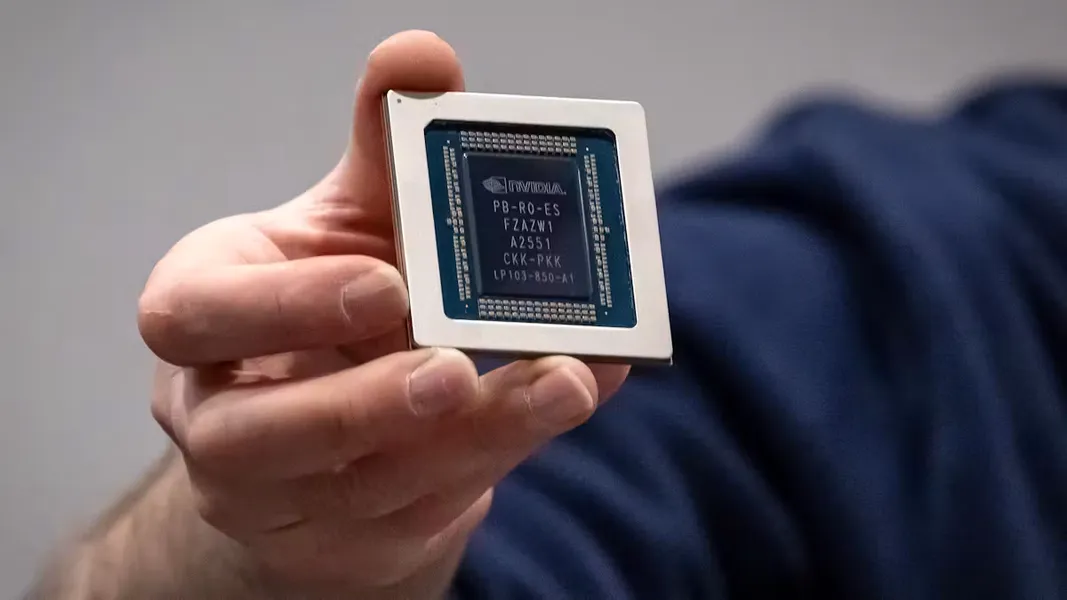
Nvidia is reportedly working on a new AI inference chip designed specifically for the Chinese market, a move that would represent a renewed attempt to serve customers under tightening U.S. export controls.
According to a report from The Information citing two employees, Nvidia plans to begin small-batch shipments of an AI chip tailored for Chinese customers by the end of the year. Several Chinese customers have already placed orders. The chip is expected to leverage Groq-style LPUs (Language Processing Units) to optimize AI inference workloads while remaining within the bounds of U.S. export restrictions on advanced semiconductors.
Why This Matters for AI Builders
For teams deploying AI models in China, access to high-performance Nvidia hardware has been severely restricted. The U.S. has consistently tightened rules on exports of advanced AI chips, and even earlier China-specific variants like the H20 saw "very few" shipments to China, according to a U.S. trade official. If Nvidia can deliver a compliant, capable inference chip at scale, it could lower inference costs and improve latency for Chinese AI applications that currently rely on domestic accelerators or older hardware.
The use of LPUs is particularly interesting. Groq's architecture is designed for low-latency, high-throughput inference, which is critical for real-time applications like chatbots, coding assistants, and agentic workflows. If Nvidia successfully integrates LPU design principles, the resulting chip could offer a compelling alternative for inference-heavy workloads in China.
What's Still Unknown
The report is unconfirmed by Nvidia, and specifics about the chip's performance, pricing, and exact compliance strategy remain undisclosed. Earlier reports noted that Nvidia had already cut over half of its Asian AI chip customers in a broader export crackdown, and Chinese companies like Huawei are rapidly developing domestic alternatives. The regulatory landscape is fluid, and any shipment plan could be altered by new U.S. restrictions.
What Builders Should Watch
The key signal to track is whether Nvidia actually begins shipping these chips at scale. For now, the plan is a rumor with credible sourcing but no concrete product specs or rollout timeline. Teams building AI applications for the Chinese market should continue to plan around domestic hardware or cloud alternatives, while monitoring this development as a potential future option for inference workloads.
As with any export-controlled technology, the gap between announcement and availability can be large. The most practical stance is to stay informed but not to bet on availability until shipments are confirmed and performance benchmarks are published.
FAQs
Sources
- Nvidia Plots China Comeback With New AI Chip
- Nvidia Plots China Comeback With New AI Chip
- NVIDIA Is Plotting Its China Comeback Via A New LPU-Based...
- NVIDIA Is Planning a China Comeback With a New Groq-Based...
- fox8.com/news/1008883
- Why Jensen Huang’s $500 billion AI financing plan faces a big risk from China
- Inside China’s all-out push to catch up with American AI chips
- Asian chip stocks slide as China competition fears rattle AI trade
- Trump tech official accuses China’s Moonshot AI of ‘large-scale’ plot to steal from Anthropic
- Why DeepSeek’s Chip Push Doesn’t Spell Trouble for Nvidia Corp (NVDA)
- NVIDIA Is Plotting Its China Comeback Via A New LPU-Based...
- Nvidia’s China Comeback Finally Begins — But Here’s Why Investors Should Keep Expectations in Check
- U.S. trade official says 'very few' Nvidia H200 AI chips have been shipped to China
- Moonshot AI accessed Nvidia's chips despite Chinese export ban, White House official says
- Nvidia cuts over half of its Asian AI chip customers in China export crackdown