Data Centers and Eminent Domain Put Rural Housing Under Pressure
Published by AINave Editorial • Reviewed by Ramit
The debate over data centers eminent domain is moving from abstract infrastructure policy to a practical housing and permitting problem. In Georgia, Georgia Power reportedly needs more than 300 parcels for a transmission line intended to support new data-center demand. In Kentucky, residents of a mobile-home park received 90-day notices after the property was placed under contract for a planned 2,000-acre data center. The reported Georgia and Kentucky cases show how AI infrastructure can affect homes as well as power capacity.
The land problem starts before the server halls
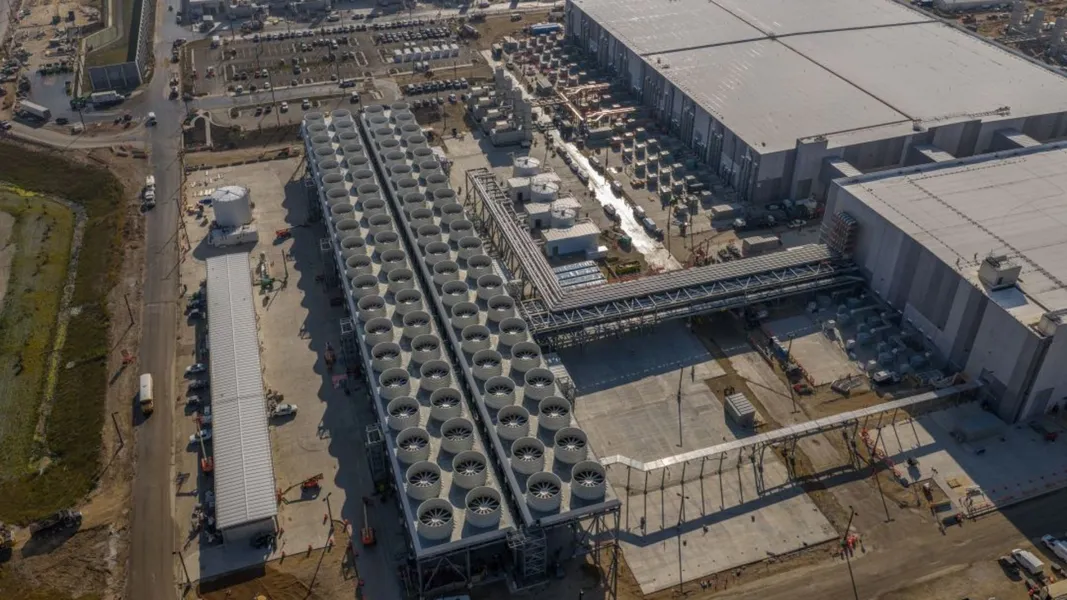
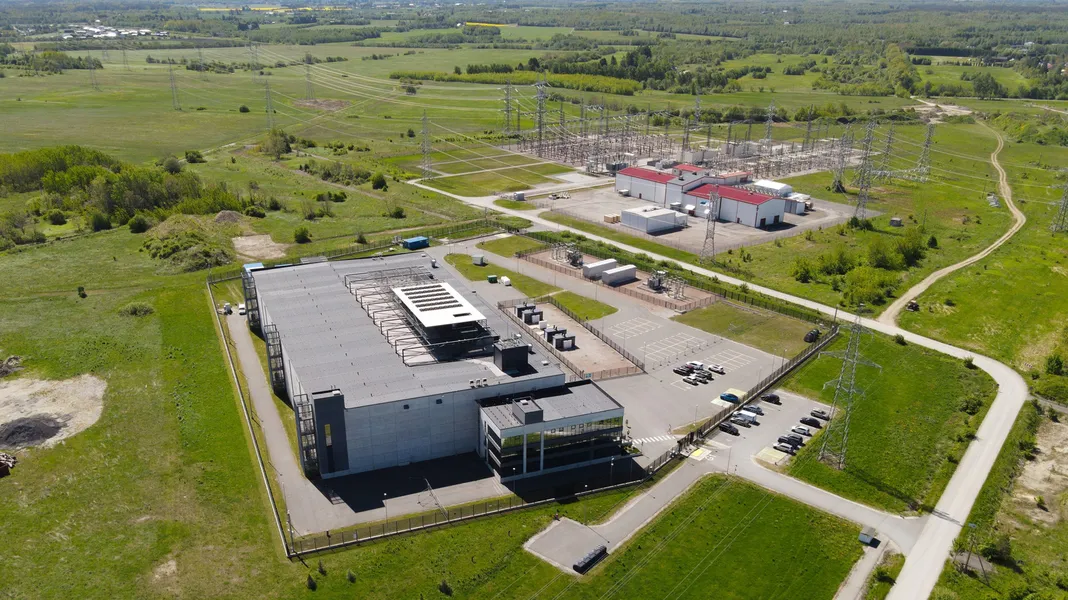
The Georgia case is primarily about transmission lines, not a data center occupying every affected parcel. That distinction matters. AI infrastructure needs land for buildings, substations, roads, cooling systems, and grid connections, so the footprint can extend well beyond the main campus.
The reporting says some Georgia homeowners agreed to sell after prolonged pressure because they feared a possible eminent-domain action. Georgia Power told CBS News that it does not pursue eminent domain lightly. Still, the possibility itself can change negotiations, especially for homeowners with fewer legal or financial resources.
In Kentucky, the reported housing impact was more direct: mobile-home residents were told to leave after their landlord contracted the property to an unnamed Fortune 500 company for a proposed large-scale facility. The available reporting does not establish the final outcome, compensation terms, or whether the project was completed.
Why this matters to AI builders
For founders and product teams, the immediate lesson is that model deployment depends on physical infrastructure with a local political cost. Grid demand, transmission lines, water access, zoning, and construction schedules can all affect where new capacity becomes available and how quickly it can be delivered.
This is also a community-engagement problem. National arguments about AI jobs, energy investment, or strategic advantage may not persuade residents who are worried about losing housing, paying higher utility bills, or competing for local water. Political leaders have promoted data centers as part of the national AI agenda, while public messaging has also included claims that new power investment could reduce utility bills. Those lower-bill claims are political arguments, not a verified result for every project.
Builders evaluating capacity should therefore treat land acquisition risk as an engineering and operating concern, not only a real-estate issue. A site with attractive power availability may still face delays if residents, local officials, or environmental groups challenge the project.
What project teams should examine
Before committing to a location, teams should ask:
- Who owns the land, transmission corridors, and water rights?
- Could the project require property purchases from occupied homes or mobile-home communities?
- Which utility costs are assigned to the facility, and which could reach other customers?
- What public meetings, zoning hearings, and environmental reviews are required?
- Are compensation, relocation, and grievance processes clear before construction begins?
Water is another material constraint. Data-center cooling can draw heavily on local supplies, and reporting has documented resident complaints about life near facilities. Some data centers have been reported to consume water at a scale comparable to a town, but the impact depends on cooling design, climate, and local infrastructure.
The evidence has limits
These cases should not be treated as proof that data centers routinely seize homes. The supplied reporting relies heavily on resident accounts and media coverage, and it does not provide a national dataset covering land volume, compensation, displacement, or completed eminent-domain actions. Eminent-domain rules also vary by jurisdiction.
The practical conclusion is narrower and more useful: AI infrastructure can create housing and governance risks before a single model serves a user. Teams that plan for transparent land acquisition, local participation, water constraints, and utility accountability will have a better chance of avoiding a deployment schedule built on unresolved
Sources
- US Data Centers Want More Space - So They're Coming For People's Homes
- Trump Says 'Very Smart Communities' Really Want Data Centers...
- Tech CEOs Can't Stop Talking About Data Centers in Space
- Why Are People Calling for No More Data Centers | TikTok
- Survey shows that nearly half of Americans don't want new data...
- Data centres in space: they’re a brilliant idea, but a herculean challenge
- US data centers want more space - so they're coming for people's homes
- What Is A Data Center And Why Are They Suddenly Everywhere?
- USA Data Centers - 4668 Facilities from 1891 Operators
- 'I can't drink the water' - life next to a US data centre
- washingtonpost.com/climate-environment/2023/04/25/data-centers...
- US data centers want more space - so they're coming for people's homes
- Tiny data centers may be coming into the homes of Americans in the future
- Startups are installing tiny data centers in people’s homes to reduce strain on the beleaguered electrical grid | Fortune
- ‘The digital colonization of flyover states’: how datacenters are tearing small-town America apart | Ohio | The Guardian
- r/technology on Reddit: Some power companies are using eminent domain to seize land for data centers, as 70% of Americans say not in my backyard