Data centers and electricity pricing: what AI builders should know about load-shifting and ratepayer risk
Published by AINave Editorial • Reviewed by Ramit
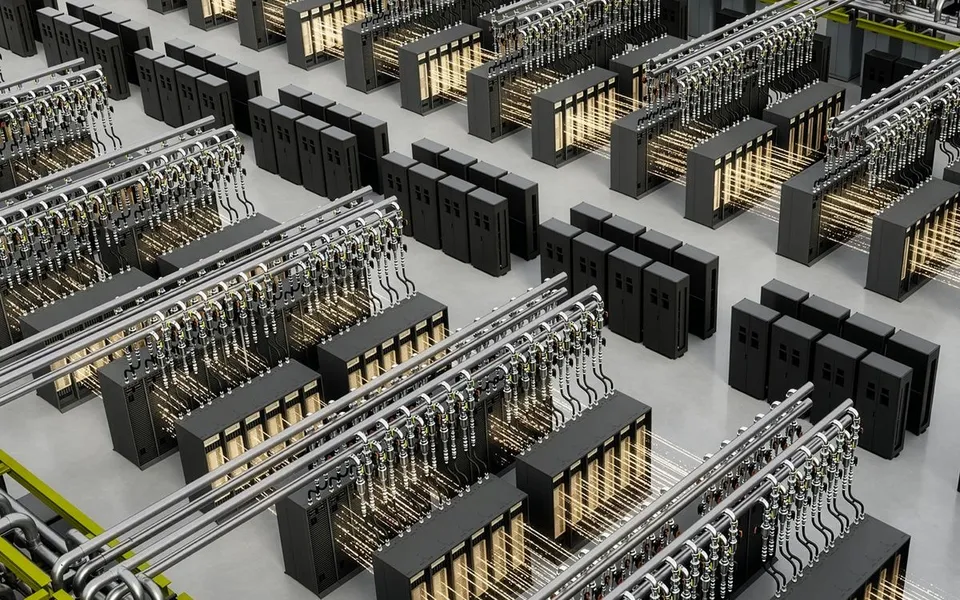
Data centers are driving up electricity costs for households and businesses through a practice called peak-demand load-shifting, where facilities temporarily reduce consumption during grid peak hours to secure lower rates while maintaining total energy use. A PJM-based analysis cited by Fortune estimates data-center-driven customer price increases could exceed $23 billion by 2028, tied to aging infrastructure and billing complexity along shared lines and substations. For AI builders, this trend signals rising operational costs, tighter regulatory scrutiny, and a growing need for energy-efficient model design and transparent reporting.
What happened
Data center operators can "fine tune" their electricity use minute-by-minute, gaining an edge that average consumers cannot. Because many utilities charge based on peak demand (a measure of usage at the exact moment the grid hits peak), data centers scale down during those narrow windows to lower their bills, then ramp back up later. Their overall energy consumption does not drop, but the timing shift reduces their costs while leaving ratepayers to cover the infrastructure expenses.
A prominent example is Riot Platforms' Bitcoin mining operation in Texas, which agreed to cut power on hot summer days in exchange for a lower flat electricity rate and state subsidies meant to encourage responsible energy use. The company then ramped up massively at night, maintaining total consumption. This load-shifting can help the grid during peaks, but it also means companies with flexible loads get subsidies that households never see.
Regulators and transmission operators like PJM struggle to assign invoices along complex networks. While a direct power line from a data center to a substation is easily billed, shared infrastructure such as substations and long-distance transmission lines makes it difficult to determine who should pay. This accountability gap is a core driver of the projected $23 billion in ratepayer cost increases by 2028.
Why AI builders should care
AI builders rely on data center capacity for training and inference. As energy costs rise and regulatory attention intensifies, the price of compute will likely increase. Facilities that engage in aggressive load-shifting may face backlash, new tariffs, or mandates for transparent energy reporting. Builders deploying large-scale models should factor in potential energy cost volatility when choosing regions and providers.
Moreover, the public and policy pushback is growing. About 70% of Americans would not want a new data center near their homes, and states like Oregon have passed bills (the POWER Act) to make data centers pay a fairer share of utility costs. The White House has also expanded a Ratepayer Protection Pledge. These developments could reshape where and how data centers operate, directly affecting AI infrastructure availability and pricing.
Practical implications
- Model efficiency matters: Reducing compute per inference or training step lowers energy demand, which can mitigate exposure to rising rates and regulatory risk. Techniques like quantization, pruning, and efficient architectures become more valuable.
- Location strategy: Regions with transparent, stable energy pricing and supportive grid policies may offer more predictable costs. Avoid areas where data center load-shifting is likely to trigger rate hikes or moratoriums.
- Transparency and reporting: Builders should demand clear energy-use reporting from cloud providers. If your AI product relies on a specific data center, understand its energy sourcing and load-shifting practices to anticipate cost changes.
- Policy engagement: As regulations evolve, AI companies may need to advocate for pricing models that reward actual efficiency rather than timing games. Participating in industry groups or commenting on proposed rules can help shape fair outcomes.
Caveats
The $23 billion figure is an estimate from Monitoring Analytics for PJM territory, not a nationwide certainty. Actual impacts vary by region, utility rate structure, and data center density. Not all data centers engage in load-shifting, and some genuinely reduce total consumption. Policy responses are still emerging, and the pace of change depends on local politics and grid investment. Builders should treat these trends as directional signals rather than fixed forecasts.
FAQs
Sources
- Data Centers Are Making Electricity Brutally Expensive for the Public
- The Public Pays the Price for Big Tech’s Data Centers
- Data centers have already hiked electricity prices on the ...
- Data Centers Are Driving Up Power Bills. A New Study Looks at ...
- How much have data centers increased electricity prices?
- How a 2025 Oregon bill increases utility rates for electricity-hungry data centers
- AI Data Centers Are Raising Your Power Bill: White House Expands Pledge Amid Tariff Gap
- If AI data centers are exploding nationwide, why are so few being built in California?
- Data Centers Are Making Electricity Brutally Expensive for the Public
- How data centers may lead to higher electricity bills ...
- Do Data Centers Raise Your Electric Bill? What the Evidence Shows
- Who pays for AI’s electricity? Data centers spark debate over ...
- It may be almost impossible to make data centers pay their ‘fair share’ of electricity costs
- The Best Way To Keep Data Centers From Driving Up Electricity Costs
- Natural 20 — AI News in Real-Time | The Bloomberg Terminal for AI