Candace Bushnell on AI, Originality, and Why Human Creativity Still Wins
Published by AINave Editorial • Reviewed by Ramit
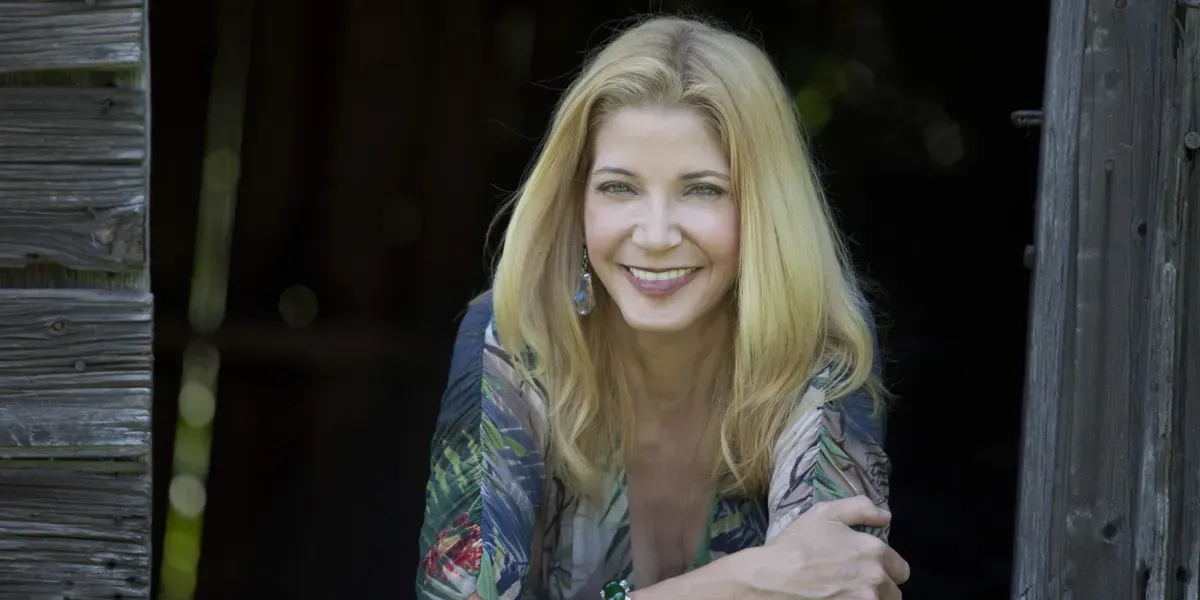
Candace Bushnell, the author behind Sex and the City, recently told Fortune Greece that originality in writing still wins in the age of AI. She rejected the idea of herself as a brand, insisting that writing remains her core identity, and detailed her disciplined routine of six hours a day, six days a week. For AI builders, her perspective offers a clear signal: the most valuable creative tools are those that augment human discipline and voice, not those that try to replace them.
The Discipline Behind Lasting Work
Bushnell describes writing as a practice akin to playing a musical instrument. It takes endurance and consistency. You cannot wait for inspiration; you have to show up every day and try. This discipline is what allows a writer to develop characters that can support a 100,000-word narrative. She contrasts this with television, which requires ongoing story mechanics that often force characters to change more radically than in books. Long-form storytelling, she argues, preserves character evolution more naturally.
For product teams building AI writing assistants, this suggests that tools focused on helping writers maintain focus, organize long-form narratives, and develop character arcs may be more valuable than tools that generate prose from scratch.
Why AI Can't Replace Authentic Creativity
Bushnell is not worried about AI. She argues that creativity is about combining elements, recognizing patterns, and transforming them into something original. AI can imitate a style, but it is limited to reproducing what already exists. A human can evolve, become a better writer, think differently, and introduce new elements. This authentic creative process is deeply human, and at least for now, she believes AI cannot replace it.
She acknowledges she would like to learn how to use AI as a tool, but when it comes to true originality, she still believes it belongs to humans. This distinction matters for AI builders: the goal should not be to replicate a creator's unique voice, but to provide scaffolding that lets that voice emerge more effectively.
Designing Tools That Support Voice, Not Mimicry
Bushnell's emphasis on authentic voice and discipline points to a design principle for creative AI tools. Instead of generating finished copy, tools could help writers overcome blocks, suggest structural improvements, or provide research assistance while leaving the creative decisions to the human. The value is in augmentation, not automation.
For example, a tool that helps a writer maintain a consistent character voice across a long manuscript, or that flags inconsistencies in narrative arc, would align with Bushnell's process. A tool that generates a chapter in her style would miss the point entirely.
What This Interview Doesn't Tell Us
This interview reflects one author's perspective. Bushnell has not yet used AI as a tool in her own work, though she is open to it. Her views may not generalize across all genres or creative fields. AI builders should also consider that many creators may feel similarly about authenticity, and that building trust with this audience requires respecting the human creative process rather than promising to replace it.
FAQs
Sources
- Candace Bushnell on AI, creativity and why originality still wins
- Candace Bushnell - Wikipedia
- Candace Bushnell on AI, creativity and why originality… - inkl
- Candace Bushnell on AI, creativity and why originality still wins
- WE Convention 2025 Special: Candace Bushnell Shares What She ... - YouTube
- Candace Bushnell on AI, creativity and why originality still wins
- Бушнелл, Кэндес — Википедия
- Jeremy Hunt on Creativity and AI: Why Human Originality Still Matters
- Originality Still Wins in the Age of AI
- Candace Bushnell brings 'Sex and the City' nostalgia to Canberra
- 10.3M posts. Discover videos related to Candice Bushnell on TikTok.