As US-Chinese AI model gap narrows, what next for Washington?
Published by AINave Editorial • Reviewed by Ramit
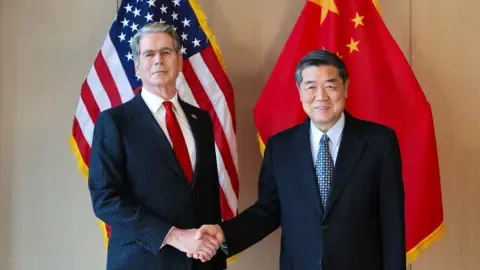
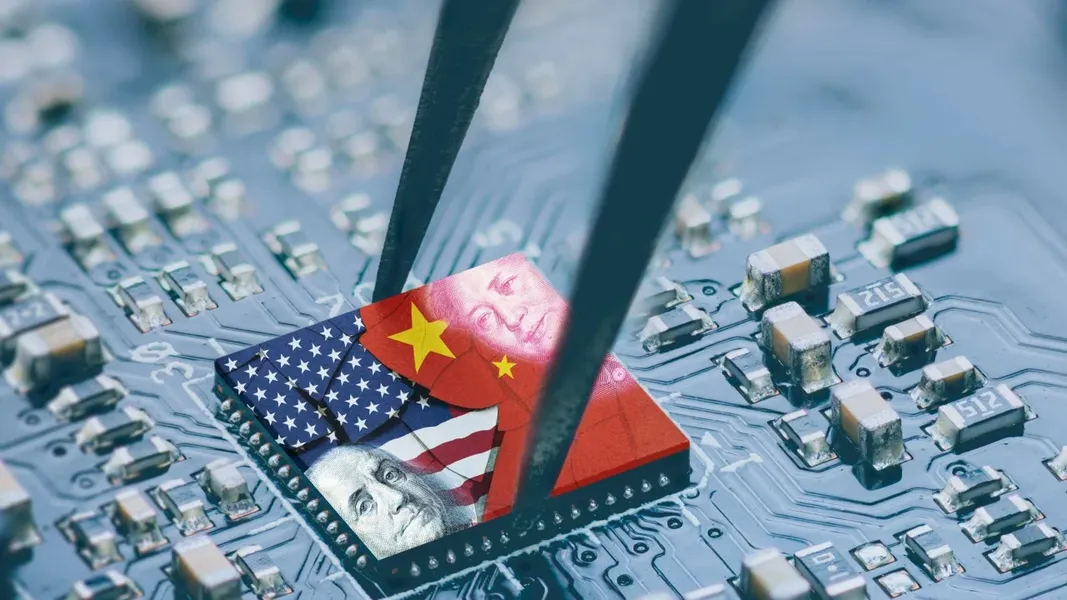
The US-China AI model gap has effectively closed, leaving American AI policy at a crucial crossroads and creating new practical realities for AI builders. For years, Washington fixated on a perceived lead in model quality. That assumption is now under pressure as Chinese models match or approach US frontier performance at significantly lower cost.
What happened
China's major advances in artificial intelligence have intensified pressure on US rivals, according to policy analysis from the American Enterprise Institute (AEI). Ryan Fedasiuk, an AEI fellow focused on US-China AI competition, noted that "I don't think anybody truly knows what's going on" regarding the evolving landscape and how policymakers should respond.
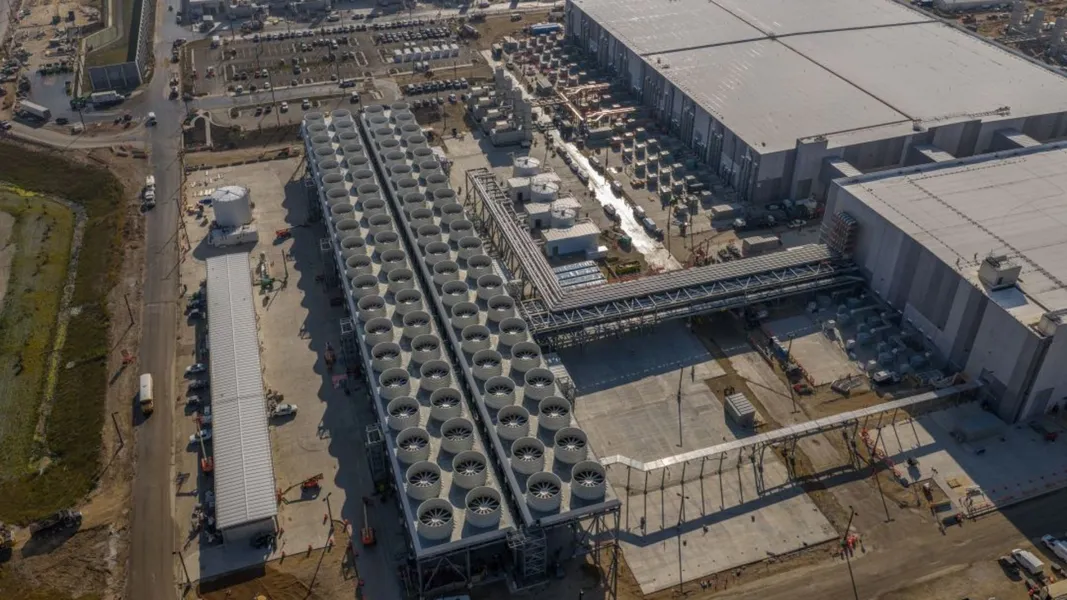
The narrowing gap is not just about model benchmarks. A Stanford Institute report found that the performance gap between US and Chinese AI models has "effectively closed," even as the United States maintains a strong lead in data center infrastructure and investment. This means the US advantage is shifting from model quality to compute infrastructure.
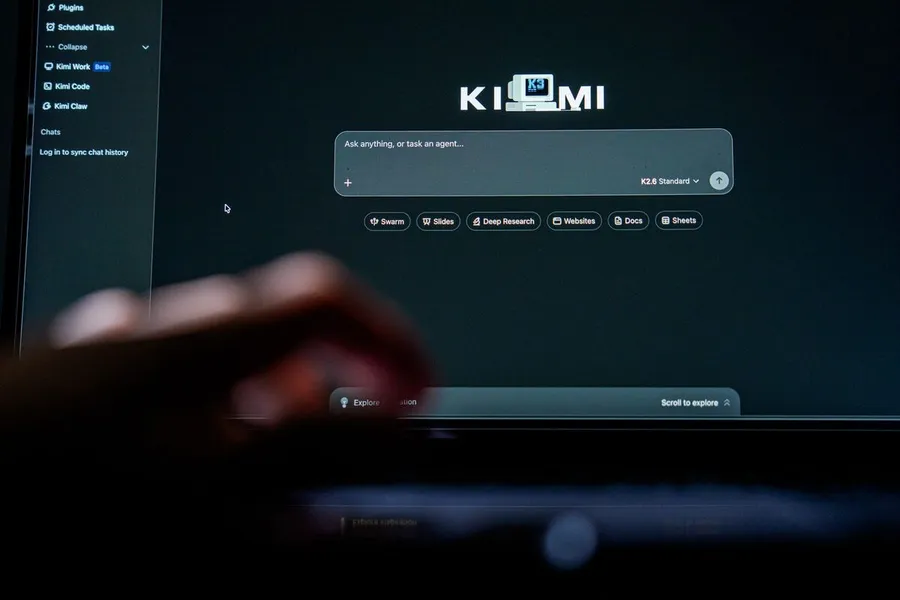
Meanwhile, cheap Chinese AI models are gaining traction. Some startups are switching to cheaper Chinese models to cut costs, and models like Moonshot AI's Kimi K3 are intensifying concerns that Chinese developers are rapidly narrowing the gap while offering lower prices.
Why AI builders should care
For AI builders, founders, and product teams, this trend creates both opportunity and risk.
On the opportunity side, the availability of capable, low-cost Chinese models gives teams more leverage in model sourcing. If you are building a product where inference cost is a major factor, you now have credible alternatives to expensive US frontier models. Some Chinese models are landing near the top of intelligence rankings at a fraction of the cost of comparable offerings from Anthropic or OpenAI.
On the risk side, the policy response is uncertain. US policymakers are weighing export controls, funding decisions, public-private collaboration, and international alignment to balance innovation with security. Any new restrictions on cross-border AI usage or model access could affect teams that rely on Chinese API providers.
Practical implications
Indie hackers and product teams should consider these practical moves:
- Evaluate cost-optimization strategies. If your product is sensitive to inference costs, benchmark Chinese model alternatives against your current stack. The cost difference can be significant.
- Monitor regulatory developments. Export controls and data residency rules could shift quickly. If you are building on a Chinese model API, have a fallback plan.
- Watch the infrastructure gap. The US still leads in data centers, which affects training and inference latency for large-scale deployments. Chinese models may be cheap, but running them at scale may still depend on US infrastructure.
Caveats
The available sources emphasize policy commentary and market signaling rather than hard, independently verifiable benchmarks. There is ongoing uncertainty about timing, deployment feasibility, and the precise performance gaps between leading US and Chinese models. Not all Chinese models match US frontier performance across every task, and benchmark comparisons can be misleading. Builders should test models on their own workloads rather than relying on headline claims.
FAQs
Sources
- As US-Chinese AI model gap narrows, what next for Washington?
- As US-Chinese AI model gap narrows, what next for Washington?
- Headaches for Silicon Valley as China chips away at the US’s lead in...
- US-China AI Model Gap Narrows as US Leads in Data Centers
- New Chinese AI Model 'Kimi K3' Raises Pressure on US... - YouTube
- American AI is expensive. Some startups are turning to cheap Chinese models
- Chinese AI model takes US tech industry by surprise with abilities rivaling Claude and ChatGPT
- New Chinese AI model is as good as Anthropic Mythos, report
- A cheap Chinese AI model is closing in on Anthropic and OpenAI
- What to Know About Chinese AI Models
- As US-Chinese AI model gap narrows, what next for Washington?
- AI: Industry Trends
- AI: Policy