Anthropic reveals Model Hardware Standard to streamline AI agent control of hardware
Published by AINave Editorial • Reviewed by Ramit
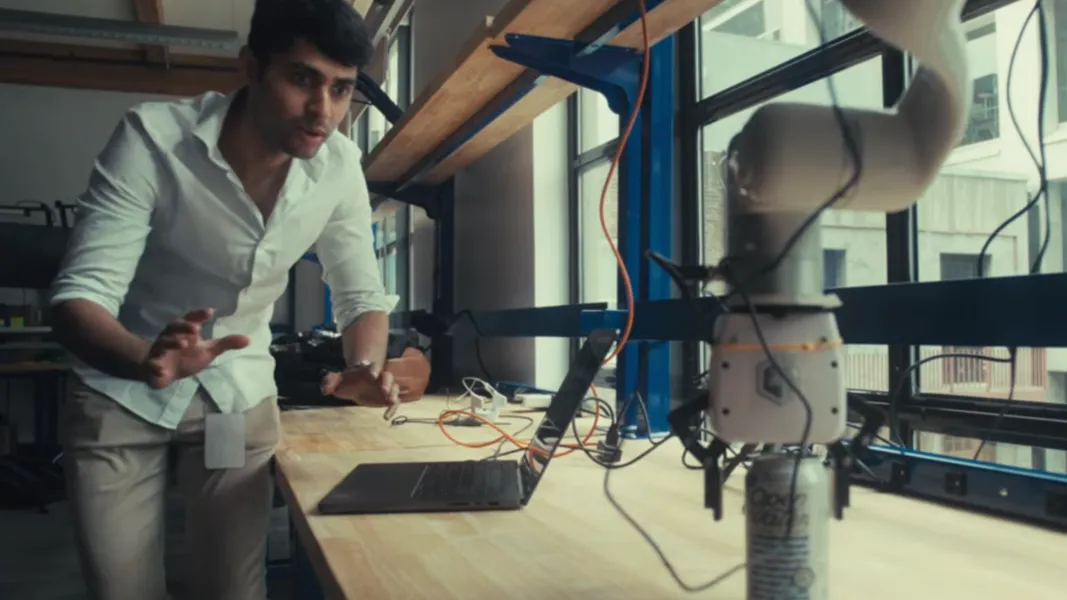
Anthropic has announced the Model Hardware Standard (MHS), a device-agnostic interface designed to let AI agents operate and communicate with hardware. The standard is model-agnostic and will eventually be open-sourced, which matters for builders deploying AI in physical systems.
Anthropic's MHS: a standardized interface for hardware control
MHS is designed to work with any device that has a programmable interface, similar to a USB-C cord that standardizes data transmission between devices. Anthropic's Elizabeth Kelly told CNBC that the company built it for science but sees benefits for enterprise and industry. The standard is initially available to a select group of organizations in science, robotics, and manufacturing as a research preview. Anthropic plans to open-source MHS later, allowing any device manufacturer to adopt it. Importantly, MHS is model-agnostic, meaning users are not locked to Anthropic's Claude models.
The announcement is part of Anthropic's broader hardware push. The company is building a silicon team to design custom chips and recently hired hardware executive Caitlin Kalinowski, who previously worked at OpenAI, Meta, and Apple. This follows Anthropic's open-sourcing of the Model Context Protocol in 2024, which standardized connections between AI agents and data sources.
Why a model-agnostic hardware standard matters
For builders integrating AI into physical equipment, the biggest pain point is often the custom integration work required for each device. MHS aims to reduce that setup time by providing a common interface. Being model-agnostic means teams can choose the best AI model for their task without worrying about hardware compatibility. If MHS gains adoption, it could become the standard way to connect AI agents to machines, similar to how USB-C simplified peripheral connections.
Competitors like OpenAI and Amazon have invested heavily in AI-native devices and manufacturing tools. MHS positions Anthropic to compete in the AI hardware tooling space without requiring its own hardware, relying instead on an open standard.
How MHS could change hardware integration workflows
In science, robotics, and manufacturing, connecting AI agents to hardware often requires weeks of custom engineering. MHS standardizes that interface, potentially reducing integration time significantly. The open-source plan means any device manufacturer can adopt the standard, creating a common protocol across industries. Anthropic's silicon team and hardware leadership hires signal a long-term commitment to physical-world AI deployments.
Caveats and unknowns
MHS is currently a research preview with limited participants. The exact roadmap, participating organizations, and the breadth of device support have not been detailed. The standard's success depends on adoption by device manufacturers, which is not guaranteed. No pricing, performance benchmarks, or technical specifications have been released. Builders should treat this as an early signal rather than a production-ready solution.
For now, MHS is worth watching. If it gains traction, it could become the standard interface for AI agents controlling physical equipment, much like MCP standardized data source connections. But the path from research preview to widespread adoption is long, and many details remain unclear.