Data center controversies transform midterms: what AI builders should watch
Published by AINave Editorial • Reviewed by Ramit
Data center opposition has become a defining issue in the 2026 midterm elections, reshaping the political landscape for the tech giants investing over $700 billion in U.S. infrastructure this year. For AI builders and founders, the regulatory and community response to this buildout will directly affect where and how compute gets deployed, what energy and water costs look like, and how long site approvals take.
The regulatory landscape is shifting fast
Governors who once courted data centers are now tightening rules. Texas Governor Greg Abbott ordered regulators to ensure data centers don't drive up residential electricity bills and promised to push for removing the state's billion-dollar-plus tax break. New York Governor Kathy Hochul imposed a one-year ban on large data centers. In New Mexico, Oracle and OpenAI's Project Jupiter - a $165 billion complex near the Mexican border - faces a legal challenge from the Center for Biological Diversity over well drilling permits for water supply in a drought-stricken region.
Across the country, states are moving to force data centers to pay for their own electricity, limit water use, disclose more about operations, and win community support before receiving permits or tax exemptions. Michigan, Oregon, and Minnesota have enacted laws protecting emissions-free energy requirements through 2040, while similar legislation is pending in California. These changes mean that the cost and feasibility of new data center capacity will vary widely by jurisdiction.
Why AI builders should watch the politics
For teams building AI products, the implications are practical. Site selection for training and inference clusters will increasingly depend on local energy policy, water availability, and regulatory compliance. If a state restricts data center electricity sourcing or imposes new disclosure rules, the total cost of ownership for a given region shifts. Climate-aligned power requirements could push projects toward renewable energy partnerships, which may affect both latency and reliability.
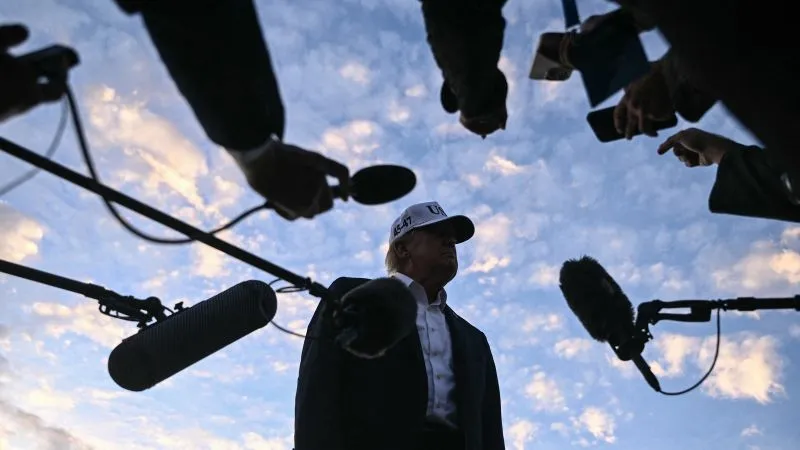
Community opposition is also a real timeline risk. The PBS report notes that ads in Texas and Ohio are already blaming data centers for rising utility bills. The combination of conservative farming communities and environmental groups creates a coalition that can delay permitting and increase public relations costs. Trump acknowledged that data centers need "a little public relations help," even as he defends their economic benefits.
Labor unions add a new dynamic
Building trades unions are expanding apprenticeship programs to meet the explosive demand for data center construction. Union leaders say their ranks are growing faster than ever. While unions advocate for projects in town halls and statehouses, their involvement also means higher labor costs and tighter construction schedules. For AI builders relying on new capacity, this could extend lead times.
Caveats to keep in mind
The policy landscape is still evolving. Many of the regulatory actions described are recent or proposed, and their final form may differ. The Project Jupiter water permit challenge, for example, is ongoing. Builders should verify current rules in their target states through official filings rather than assume the trends reported here are settled. The $700 billion investment figure is a company projection, not a guaranteed expenditure.
For now, the message is clear: data center infrastructure is no longer just a technical or financial decision. It's a political one. AI builders who track these regulatory shifts will have a better read on where capacity will actually materialize and at what cost.
FAQs
Sources
- Data center controversies have transformed midterms. Here's where different groups stand
- Data center controversies have transformed midterms.
- Here's all the ways that data center controversies have transformed...
- Data Center Controversies Transform Midterm... | StarLive StarNews
- The Data Center Boom Is Colliding With the Midterms
- New Data Center Hampton Ga Controversy | TikTok
- Here’s all the ways that data center controversies have transformed the midterm elections
- Here's All the Ways That Data Center Controversies Have...
- USA Data Centers - 4767 Facilities from 1900 Operators
- 10 weeks until midterms: Where does Michigan stand?
- How data center controversies are shaping the 2026 midterms
- The Data Center Backlash Bursts Into the Midterms - The New York...
- Here's all the ways that data center controversies have transformed the midterm elections