AI Data Center Buildout Slows as Local Opposition Grows in 2026
Published by AINave Editorial • Reviewed by Ramit
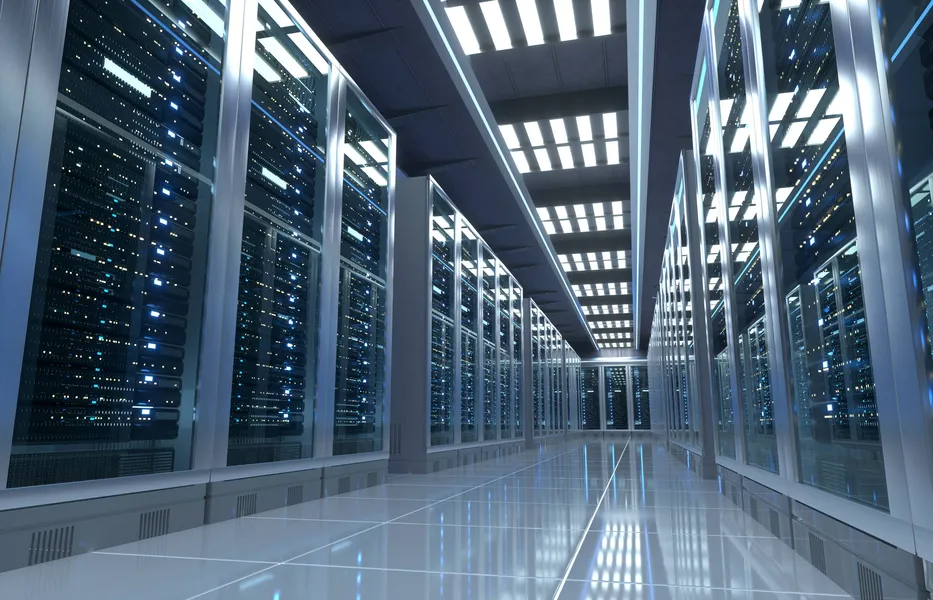
The AI data center buildout is slowing in 2026 as local opposition turns permitting into a material constraint. More than 500 U.S. counties or municipalities have enacted severe restrictions on new facilities, over 50 planned data centers have been canceled this year, and more than 200 projects are being contested through lawsuits, protests, public hearings, or campaigns according to the reported Heatmap review. For AI builders, the practical takeaway is simple: access to compute now depends on community and regulatory approval as much as capital and hardware.
Local permitting is becoming an infrastructure bottleneck
The reported restrictions include strict setbacks, noise limits that can make operations impractical, and outright blocks on permit approvals. About 190 restrictions were enacted since June 1, according to the same review, suggesting that opposition is accelerating rather than remaining a handful of isolated disputes in the available reporting.
The pressure is reaching major hyperscalers. Amazon, Microsoft, and Google have each canceled large projects after sustained pushback in Arizona, Wisconsin, and Indiana, respectively. The specific projects and their replacement plans may change, but the broader lesson is durable: a large balance sheet does not remove local approval risk.
Why communities are pushing back
Residents cited in the reporting are focused on energy demand, possible effects on electricity bills, noise, environmental impact, and security concerns. These are operational questions, not abstract objections. A facility can have a strong business case for its owner while still creating costs or perceived risks for the surrounding community.
That tension matters because AI infrastructure spending has been presented as an engine of economic growth. Economist Hannah Rubinton of the St. Louis Federal Reserve said AI accounted for 39% of U.S. GDP growth through the third quarter of 2025, compared with 28% during the comparable period of the dot-com bubble in 2000 as reported in the source article. A macroeconomic argument, however, does not settle a local permitting dispute.
The state and election-year picture is uneven
Cancellation rates vary sharply by state. More than 70% of contested proposals in Michigan were eventually canceled, compared with about 56% in Indiana and 17% in Texas, according to the reported Heatmap figures covered here. Those numbers should be treated as regional snapshots, not universal forecasts.
The fall midterm elections add uncertainty. Local officials may face stronger incentives to respond to residents, while temporary moratoriums can be renewed rather than allowed to expire. For teams planning capacity, a nominally temporary restriction should not be treated as a dependable delivery date.
What AI infrastructure teams should change
Developers should put permitting, grid availability, noise mitigation, water and energy plans, and community engagement on the critical path. Community outreach cannot be a late communications exercise if public opposition can trigger lawsuits or cancellation.
For AI product teams, this does not mean compute supply will suddenly disappear. It does mean capacity forecasts should include geographic concentration, project delays, and the possibility that planned facilities never come online. Multi-region deployment, flexible provider contracts, and demand management become more valuable when new physical capacity is politically uncertain.
The evidence supports a narrower conclusion than claims of an infrastructure collapse: AI data center construction is still being pursued, but rollout is becoming slower, more expensive, and more dependent on local consent. Builders should plan around approved and energizable capacity, not announcements alone.
Sources
- AI data center buildout faces its toughest challenge yet
- AI data center buildout faces its toughest challenge yet
- AI data center buildout faces its toughest challenge yet
- The Invisible Campaign Against America's AI Data Centers
- U.S. AI Data Center Delays: 7 GW Capacity Crisis [2026]
- AI Data Center Build Out Faces Infrastructure And Political ...
- AI data center buildout faces its toughest challenge yet
- Data centers for AI could nearly triple San Jose's energy use. Who foots the...
- Progressives’ Midwest insurgency is powered by the growing data center backlash
- Vertiv and Target have been highlighted as Zacks Bull and Bear of the Day
- State legislatures are getting better at clean-energy permitting policy
- AI Data Center Market Faces Its Biggest Challenge: Power, Not ...
- Data Center Supply Chains Emerge as AI Buildout’s Third ...
- AI data center buildout faces its toughest challenge yet
- Trump blasts New York AI data center moratorium, says state should change policy 'immediately'
- Data Center Tech Training - Data Center Solutions