AI coding paralysis: The hidden cost of rapid tool releases for software engineers
Published by AINave Editorial • Reviewed by Ramit
The accelerating cadence of AI model releases is creating a paradox for software engineers: more powerful tools, but also more anxiety. Instead of feeling empowered, many developers report a sense of workplace paralysis as they struggle to keep up with an unrelenting stream of new models from Anthropic, Google, and OpenAI.
What happened
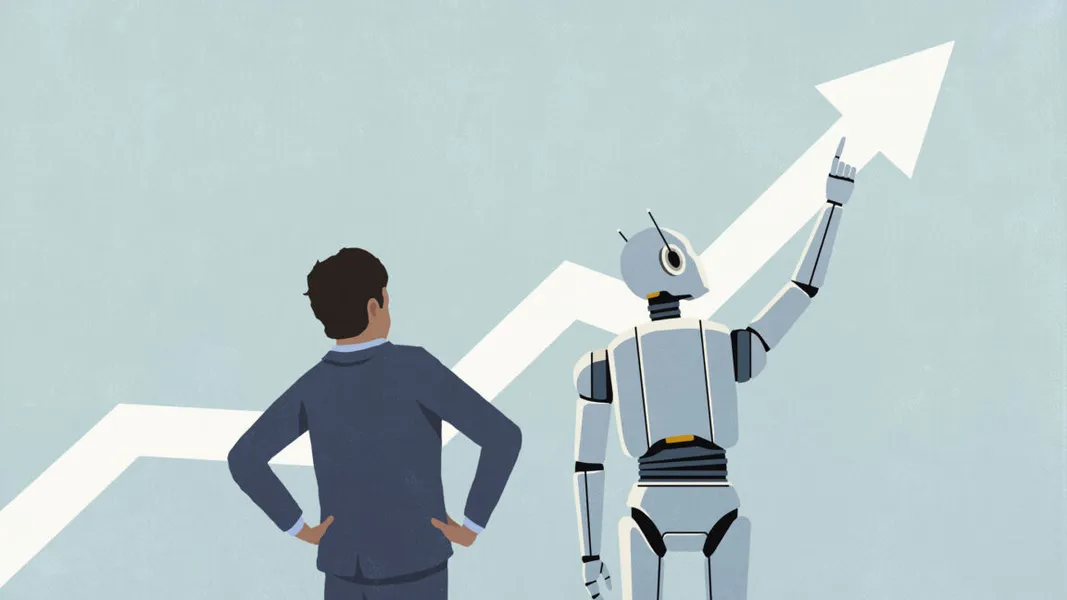
The number of major AI model releases has roughly quadrupled since 2023, rising from 18 that year to 69 in 2025, with another 30 released by mid-2026, according to Peter Assentorp, a coder and designer who tracks the data. The pace has become so intense that even engineers who build with these models daily lose track of what is newest and best.
For Danny Hamam, a New York City software engineer, every new AI tool release triggers a wave of anxiety. "The first thought that I get isn't that, 'Oh, this is so exciting. Another AI tool dropped.' It's, 'I'm behind. I have to learn this ASAP,'" Hamam said in a Business Insider report. "So you start freaking out."
The rapid release cycle creates a feeling that mastering any single tool is futile. Jack Boudreau, CEO of fintech company Habits, said "it's almost not worth it for you to become a subject matter expert, because wait one more week, and they're going to simplify it for you."
Employers are compounding the pressure. Companies now use dashboards to track AI usage, monitor token consumption, and incorporate AI adoption into performance reviews. Herminia Ibarra, a professor at London Business School, said organizations overestimate how quickly engineers can adopt AI and then judge workers against those expectations. "The engineers are stuck because they are being asked to deliver innovation in business-as-usual mode," she said.
Why AI builders should care
For teams shipping AI products, this dynamic has direct implications for engineering culture, retention, and code quality. The fear that AI could replace jobs is already widespread. A Devographics survey of roughly 7,000 developers found that more than four in 10 said AI tools threaten their job security.
Some developers worry that AI could dictate how they work, undermining their skills and turning them into "service drones" for the technology, said Cary Cooper, a professor of organizational psychology at the University of Manchester. Cal Newport, a Georgetown University computer science professor, described the experience of waiting for models to produce code as "botsitting," calling it boring and warning that it lacks the deeper satisfactions of writing code from scratch.
The mental intensity of the job is also shifting. Angga Pratama, a developer based in Indonesia, now largely oversees workflows and manages multiple AI tools simultaneously rather than writing code. "The faster things become, the more the pressure shifts from 'Can I finish this?' to 'How much more can I optimize?'" he said.
Practical implications
For AI builders and engineering leaders, the evidence suggests that managing tooling adoption without sacrificing morale is becoming a governance challenge. Some developers are already considering career pivots into sales or support roles, according to analyst Ben Eubanks.
Not everyone is struggling. Developer Rafa Rafael said AI allows him to spend less time troubleshooting and more time understanding requirements and thinking through features. "I feel more involved in the overall product and not just the code itself," he said. Rafael stopped trying to keep up with every new release and now only looks into tools that could help with his actual work.
To moderate the pressure, Kathy Gersch, CEO of change management firm Kotter, recommends companies encourage workers to share what they are learning with each other. That helps workers feel like they are "moving with the tide versus being hit by the tide."
Caveats
The evidence base reflects early-to-mid 2020s reporting and may not capture regional variations or long-term outcomes. Productivity and burnout data is mixed and context-dependent. Not every company experiences the same rate of tool release or the same level of dashboard-driven oversight. Some developers report clear productivity gains from AI, and software development job postings have recently been inching higher, suggesting the industry has not yet seen a collapse in hiring.
FAQs
Sources
- The hidden cost of AI coding: workplace paralysis
- AI's Hidden Cost: Career Paralysis Is Setting In | Dice.com Career Advice
- The Great Coding Reset: How AI Is Redefining the ... - Business Insider
- The Software Pattern That Solves B2B's AI Paralysis - Forbes
- The Cognitive Cost of AI: How AI Anxiety and Attitudes Influence ...
- Outsourcing Our Minds to AI: The Hidden Cost of Letting AI Think for Us
- The hidden cost of the AI coding boom: workplace paralysis
- Anyone can code with AI. But it might come with a hidden cost.
- The Real Costs Of AI Deployment Without Human Oversight
- Hidden Token Cost of Using Markdown in Your AI Prompts & Workflows
- How the AI boom is reshaping tech cost management
- The Hidden Cost of AI Adoption: Compute Expenses - LinkedIn
- AI Fatigue in the Workplace: How to Refocus - Shibumi
- The hidden cost of AI adoption: Why enterprises are worried about token economics
- What SurveyMonkey Found About The Hidden Cost Of AI At Work