WAICO and the Fragmentation of AI Governance: What Builders Should Watch
Published by AINave Editorial • Reviewed by Ramit
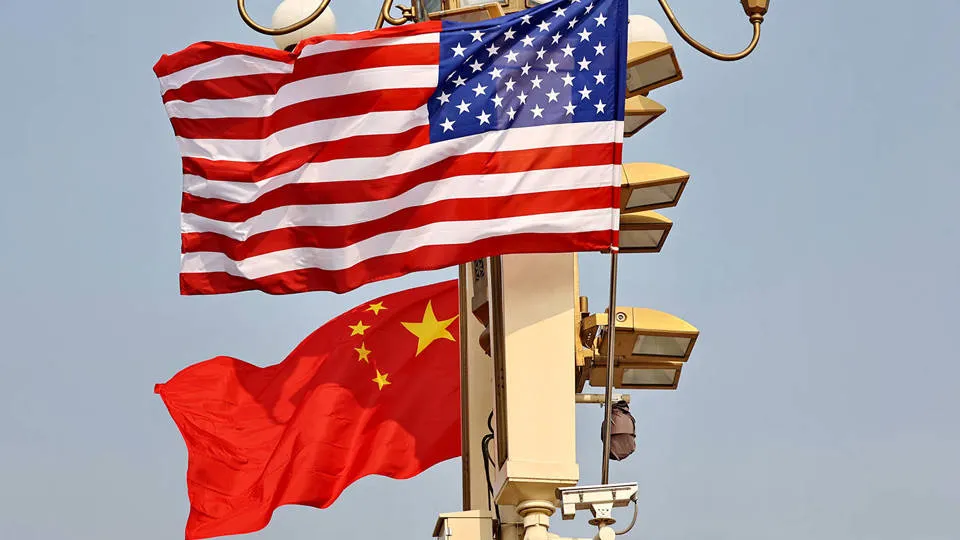
China announced the World Artificial Intelligence Cooperation Organization (WAICO), a 38-country platform focused on AI cooperation and deployment in developing countries. The move deepens the fragmentation of global AI governance and signals a geopolitical push to shape how standards, talent, and capital flow across emerging economies. For AI builders, this means monitoring regional alignment and interoperability risks as competing governance architectures take shape.
China Launches WAICO, a 38-Country AI Cooperation Platform
WAICO is described as a platform to bridge the AI divide by supporting innovation and deployment in developing countries. The initiative follows the Trump administration's prioritization of national competitiveness over multilateral frameworks, which expanded the opening for China to organize its own governance system. WAICO complements existing bilateral and regional AI collaborations and could accelerate regional tech alignment with Beijing's interests.
Governance Fragmentation Creates Interoperability Risks for Builders
If you build AI products that operate across multiple regions, the emergence of competing governance systems matters. WAICO may create competing governance architectures alongside existing multilateral forums, affecting global AI policy, standards development, and cross-border collaboration. This fragmentation could influence how AI standards, deployment, talent mobility, and capital flows are organized across regions. For builders, the practical risk is that compliance, data residency, and model deployment requirements diverge between blocs, increasing operational complexity.
What Changes: Standards, Talent, and Capital Flows
WAICO's focus on developing countries could alter the pace of AI innovation, talent mobility, and capital flows across participating nations. If successful, the platform may influence how AI standards, deployment, and cooperation are shaped among emerging economies. Builders who rely on open standards or global talent pools should watch for regional alignment that could restrict access to certain markets or technologies. The initiative may also affect where AI funding flows, potentially redirecting investment toward countries aligned with WAICO's framework.
What Remains Unclear About WAICO
The available information is limited to a single commentary article. No primary documents, membership details, governance structure, or concrete standards proposals are publicly available in the provided context. The article describes WAICO as a turning point, but notes it is "not the one the world needs," suggesting skepticism about its impact. Builders should treat the initiative as a signal of geopolitical intent rather than a fully defined governance framework. The actual effects on standards, talent mobility, and capital flows will depend on WAICO's implementation and adoption by member countries.