Feedly's AI Pivot: A Bug, Not the Pivot, Caused the Weeklong Slowdown
Published by AINave Editorial • Reviewed by Ramit
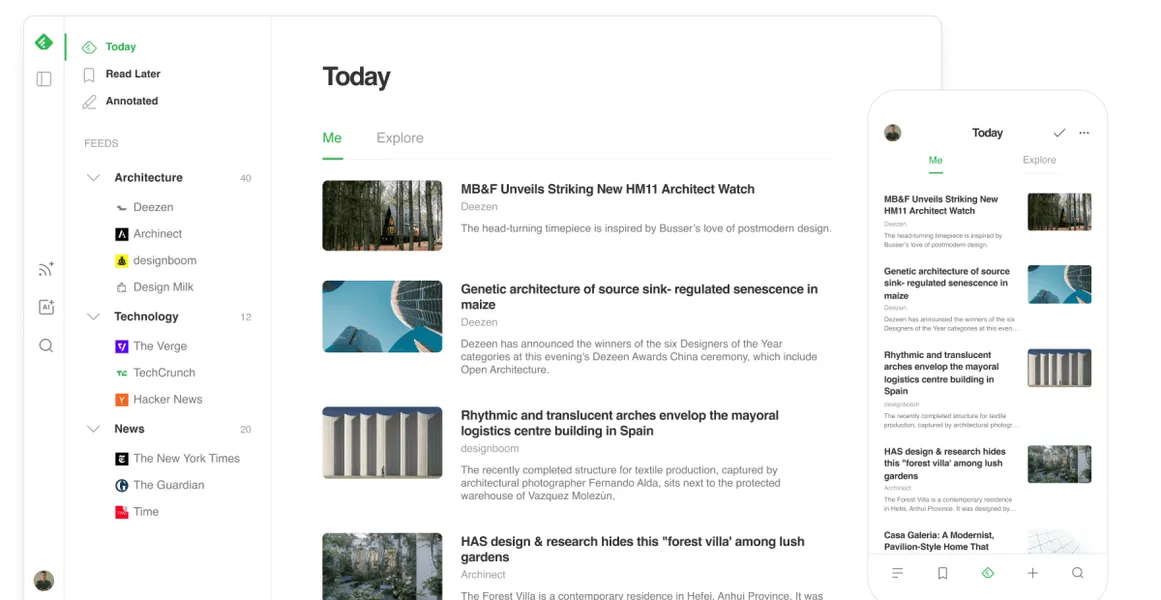
Feedly's weeklong web slowdown has frustrated paying users, with some calling the app "unusably slow." CEO Edwin Khodabakchian attributes the issue to a backend bug, not the company's ongoing Feedly AI pivot toward cyber threat intelligence. The incident is a practical reminder for AI builders: a product's core reliability cannot be sacrificed, even when a strategic AI pivot is underway.
A bug, not the AI pivot, caused the slowdown
Feedly, the largest standalone RSS reader with about 15 million users, experienced a multi-day slowdown in its web app. The company identified the root cause as a bug related to using the "Mark as Read" feature on accounts with many folders. A fix was released, and validation is ongoing. Separately, users reported issues with the iOS app on iOS 27 beta, and the Classic app was retired without prior notice to its few hundred active users.
Khodabakchian told TechCrunch that RSS remains a core focus: "Despite the pivot to cyber threat intelligence, fixing the basic RSS functionality is still a priority because our CTI community uses the news-reading capability." The company also says it is actively investing in its main iOS and Android apps.
What this means for AI product teams
For builders shipping AI features, the Feedly episode illustrates a common tension: AI initiatives can distract from foundational product quality. Feedly's AI-enabled CTI (cyber threat intelligence) is a new offering for business users, but the weeklong slowdown eroded trust among its core RSS audience. Some users reported that support requests went unanswered.
If you are building AI features on top of an existing product, the lesson is clear: isolate backend bugs from AI-related changes. Do not let a strategic pivot excuse degraded performance. Prioritize monitoring and incident response for the core experience, especially when you are asking users to trust your AI capabilities.
Practical implications for developers
- Separate concerns: The bug was in the web frontend, not in the AI backend. Ensure your team's AI features have independent performance baselines so outages in one area do not taint the other.
- Communicate during outages: Feedly's silence on the issue fueled user frustration. A clear, early status page or social media update can preserve trust.
- Manage legacy transitions: The Classic app retirement without notification upset a small but vocal group. If you deprecate features, proactively notify users and provide migration paths.
Caveats
This analysis relies primarily on a single TechCrunch report. User sentiment on Reddit is cited in the article but not independently verified. The AI pivot's impact on Feedly's overall stability is unclear; the company denies any link. The supporting keyword "Feedly threat intelligence" was not detailed beyond the CTI mention in the source.
FAQs
Sources
- Feedly attributes weeklong slowdown to bug, not its AI pivot
- Feedly Blames Bug For Weeklong Slowdown, Not AI Pivot - Newsgab
- Feedly Blames Weeklong Slowdown on Bug Not AI Pivot as Users...
- Stay ahead of the curve with Feedly AI
- Groq raises $350M to fuel its pivot from AI chips to... - STEMinsights
- Feedly attributes weeklong slowdown to bug, not its AI pivot
- Feedly'nin Teknik Çöküşü: RSS Devlerinin AI... | 7/24 FINANCE