US threatens sanctions on Chinese open-weight AI models over IP theft concerns
Published by AINave Editorial • Reviewed by Ramit
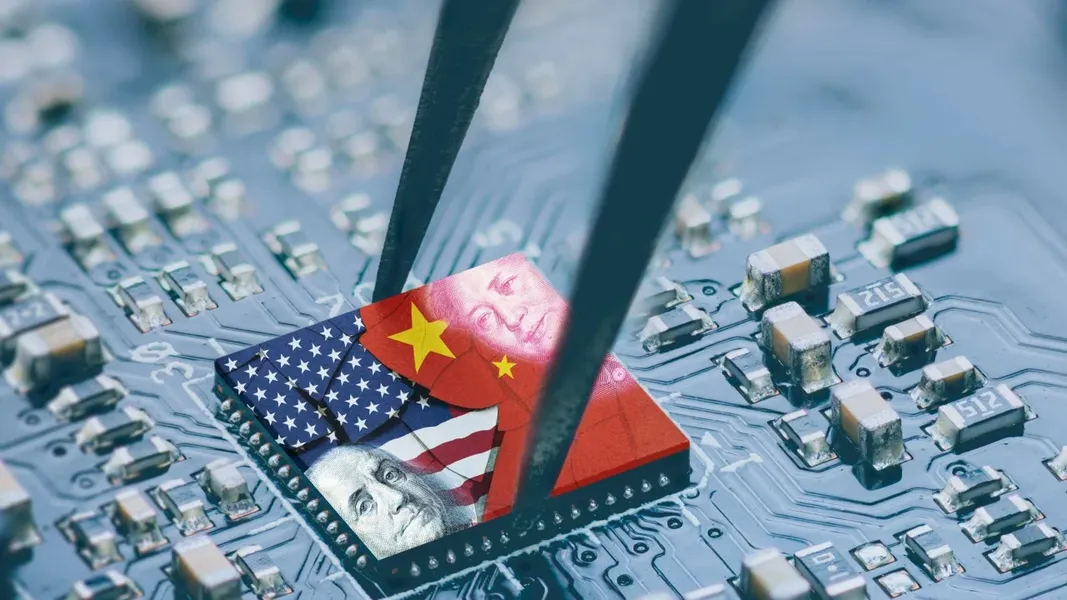
The U.S. Treasury Secretary Scott Bessent has threatened sanctions against Chinese AI model makers if investigations find evidence of intellectual property theft from American frontier labs, signaling a potential shift in how open-weight AI models from China are treated in the U.S. market. For AI builders relying on open-source models, this could affect model availability, compliance requirements, and the competitive landscape.
What happened
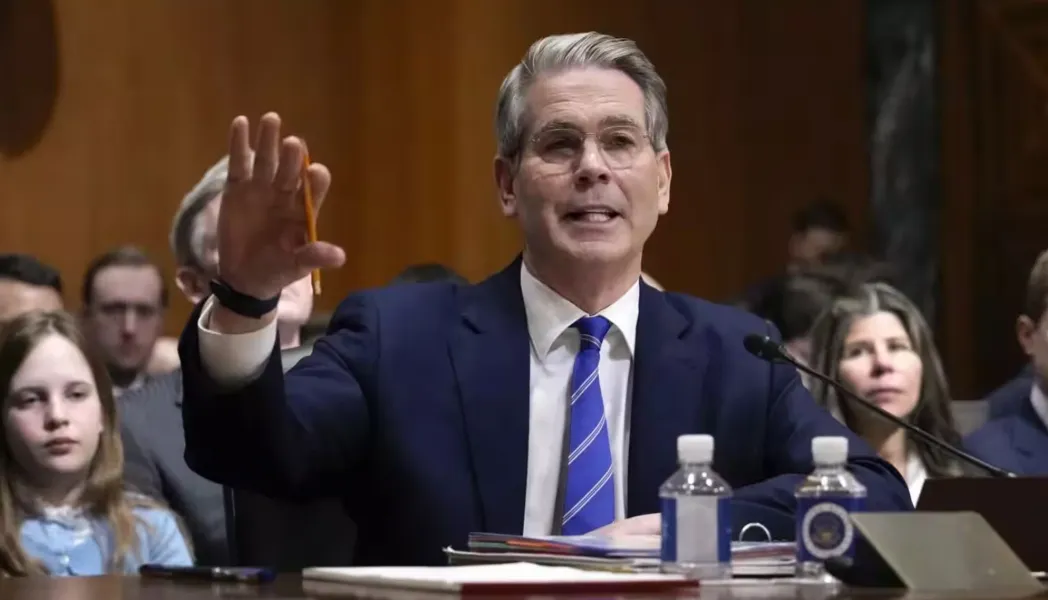
In a Fox Business interview, Treasury Secretary Scott Bessent said the White House will examine high-profile open-weight models from China to determine if their creators stole intellectual property from U.S. AI labs. If evidence supports theft, the U.S. could sanction the Chinese firms found guilty. Bessent noted that officials have found "watermarks" of US-made AI models within Chinese models, calling the trend "unacceptable."
The comments come days after Moonshot AI unveiled Kimi K3, an open-weight model that matches OpenAI and Anthropic on some metrics. A separate Axios report claimed the administration was considering a wholesale ban on Chinese open-source models, though officials have since distanced themselves from that report.
Chinese AI firms are accused of using model distillation, a technique that assimilates capabilities from larger models into smaller, cheaper systems. Microsoft CEO Satya Nadella criticized the hypocrisy of U.S. labs imposing restrictive terms on distillation while claiming fair use rights for training on public data. Meanwhile, the U.S. and China are scheduled to hold AI talks in September, which may shape the regulatory path forward.
Why AI builders should care
Chinese open-weight models are gaining traction among U.S. businesses because they offer competitive capabilities at far lower cost. If sanctions are imposed, builders who depend on these models for inference or fine-tuning could face supply disruptions, licensing changes, or compliance risks. The threat also raises questions about the legality of using distillation-based models in commercial products.
For teams building AI products, the key takeaway is to monitor policy developments closely. Any enforcement action could create a bifurcated market where Chinese open-weight models are restricted, pushing builders toward U.S. frontier labs or alternative open-source ecosystems. The upcoming US-China AI talks may clarify the regulatory landscape, but uncertainty remains.
Practical implications
If the U.S. imposes sanctions, Chinese AI firms could face financial penalties or export restrictions that limit their ability to distribute models in the U.S. market. Builders using these models should evaluate their supply chain risk and consider fallback options. The September talks between the U.S. and China could lead to a framework for IP enforcement, potentially affecting how model distillation is treated legally.
On the other hand, China has threatened to restrict foreign access to its most advanced models in retaliation, which could further fragment the global AI ecosystem. Builders should prepare for a scenario where both U.S. and Chinese models become harder to access across borders.
Caveats
The evidence for IP theft through distillation is not universally agreed upon. Many U.S. companies use the same technique to create efficient models, and Nadella called the accusations hypocritical. Additionally, U.S. labs themselves face IP lawsuits: Anthropic recently agreed to a $1.5 billion settlement over copyrighted book use, and OpenAI is still fighting a lawsuit from The New York Times.
Sanctions would mark a significant escalation, but they depend on demonstrable findings. The administration has not specified which models or firms are under investigation beyond the general category of high-profile open-weight models. Builders should treat this as a policy signal rather than an immediate enforcement action.
FAQs
Sources
- US Treasury Secretary Bessent threatens sanctions against Chinese AI model makers - SiliconANGLE
- US threatens sanctions against Chinese AI models... | TechCrunch
- Bessent threatens Chinese AI sanctions before Kimi... - RuntimeWire
- U.S. Threatens Sanctions on Chinese AI Companies... | entARABI
- Chinese AI firms that rip off US models could face sanctions...
- Treasury Secretary: the US Could Sanction Chinese AI Companies
- Treasury Secretary Scott Bessent Warns of Chinese Theft of AI Intellectual Property
- America’s ‘biggest risk’ on AI is China getting ahead, Bessent says
- U.S., China to hold AI talks in September, Reuters sources say
- Bessent says U.S. could sanction China over AI model 'theft'
- Bessent Says US to Scrutinize Chinese AI Models for IP Theft
- US threatens sanctions against Chinese AI models over IP theft
- PYMNTS | US Threatens Sanctions on China Over Alleged AI Model...
- US and China to hold AI talks in September led by Treasury Secretary Scott Bessent