US open-source AI: why builders should watch the push for open-weight models
Published by AINave Editorial • Reviewed by Ramit
A growing policy and market conversation in the United States is pushing for open-source or open-weight AI foundations as a counterbalance to vendor lock-in and the dominance of incumbents such as Anthropic and OpenAI. For AI builders, founders, and developers, this debate could reshape cost structures, access to powerful models, and the competitive landscape.
What happened
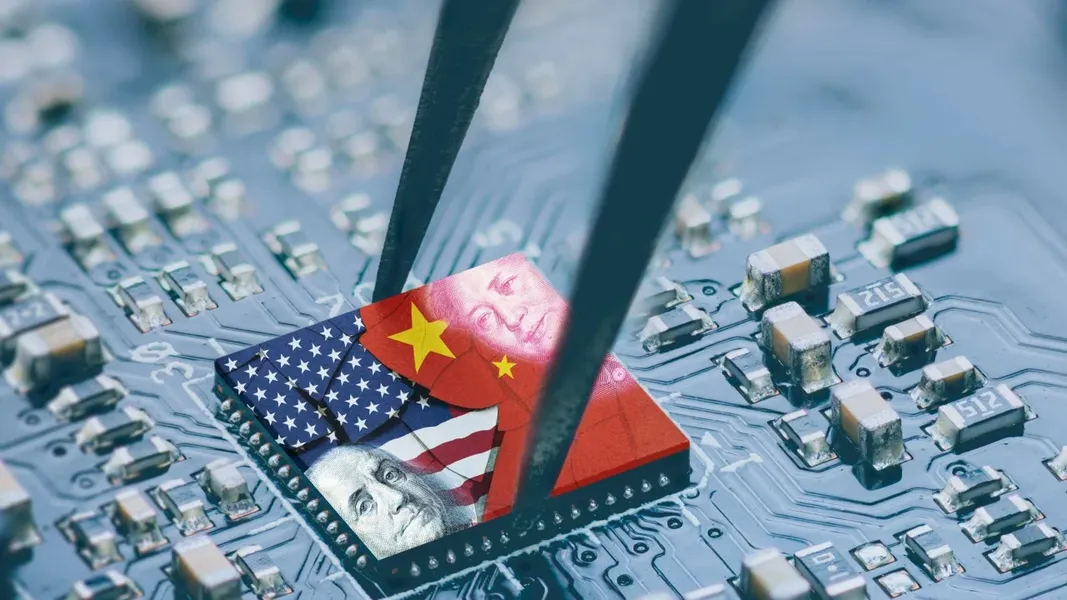
Silicon Valley entrepreneurs and investors are resisting Washington, D.C. efforts to ban Chinese AI models, arguing that such bans would hand more power to Anthropic and OpenAI. Investors are discussing a "prime" solution where the U.S. would have an open-source or open-weight alternative as powerful as Chinese players. Benchmark's Bill Gurley wrote in a Washington Post op-ed that "the open frontier is no longer just a Chinese story. It is an American one too," adding that "nearly everyone in the AI economy has a reason to prefer an open foundation -- everyone, that is, except the big incumbents Anthropic and OpenAI, whose fortunes depend on keeping it closed."
The state of play is still early for open models in the U.S., but the conversation signals a shift toward openness in AI foundations. AI costs are ballooning, and companies don't want to rely on just one or two vendors for critical technology.
Why AI builders should care
For teams building AI products, the push for US open-source AI models directly affects two things: cost and vendor diversity. If open-weight alternatives gain traction, developers and startups could access powerful baselines without being locked into proprietary ecosystems. This could reduce the pricing power of incumbents and give builders more leverage in negotiations.
The policy debate also matters. How Washington handles Chinese AI models could accelerate or limit the adoption of open foundations in the U.S. If bans go through without a strong open alternative, builders may face higher costs and fewer choices. If open models gain policy support, the opposite could happen.
Practical implications
Developers and startups should monitor US policy and investor sentiment around open models. Plans for acquiring or building AI capabilities may need to factor in openness and interoperability considerations to reduce single-vendor risk. The volatility in AI model development and deployment costs means that locking into one vendor today could be expensive tomorrow.
For now, the conversation is exploratory. But the direction is clear: investor interest in open-weight alternatives is growing, and the incumbents are pushing back. Builders who track this shift will be better positioned to adapt their stack and budget strategies.
Caveats
The evidence for this article is centered on a single Axios report and opinion-level discourse rather than detailed technical specifications, policy texts, or model benchmarks. There are no additional primary sources beyond the Axios article excerpt. The specific outcomes depend on future legislation and market adoption, which remain uncertain. Builders should treat this as a signal to watch, not a concrete roadmap.