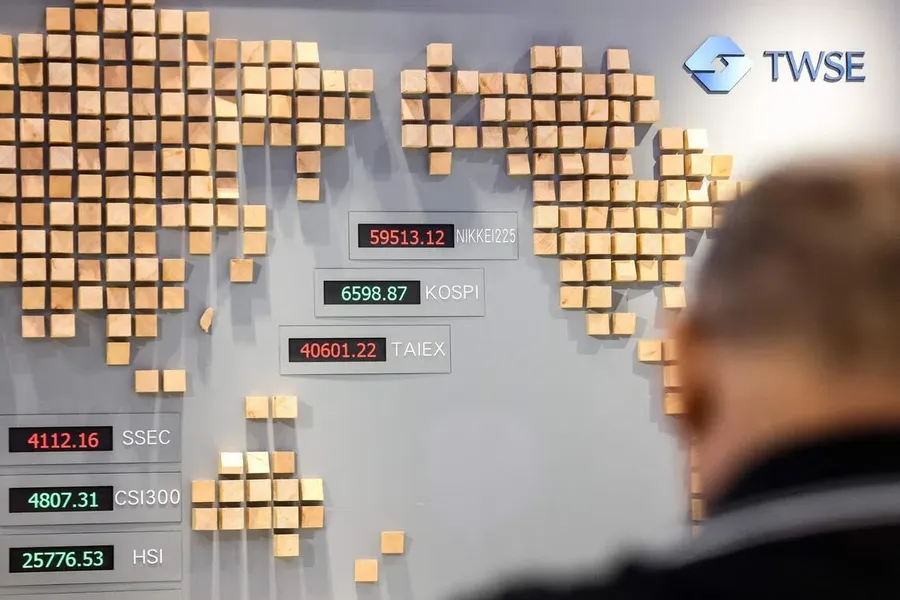
Taiwan's chip diplomacy at Semicon Taiwan: balancing AI supply-chain resilience with global partnerships
Published by AINave Editorial • Reviewed by Ramit
Taiwan used Semicon Taiwan 2026 to frame itself as a democratic, reliable supplier for the AI revolution, while signaling a willingness to share its semiconductor wealth with like-minded partners. For AI builders, the takeaway is clear: the global AI hardware supply chain is being reshaped by geopolitical pressure, massive investment commitments, and a push to diversify manufacturing beyond Taiwan.
Taiwan positions itself as a democratic AI chip supplier
President Lai Ching-te spoke at two separate events on the same day, saying Taiwanese companies were expanding globally to "let resilience create shared prosperity" and that the island's chip strength was based on democracy and rule of law. Economy Minister Kung Ming-hsin announced an additional $20 billion of Taiwanese investment in the US, on top of TSMC's $265 billion Arizona factory push. This is part of a deal with Washington to increase US investment in exchange for reduced export tariffs, though uncertainty remains.
The tariff question and US pressure
US Commerce Secretary Howard Lutnick told CNBC that semiconductor tariffs were coming for companies that do not make chips in the US. Bill Frauenhofer, the Commerce Department official overseeing the tariff agreement with Taiwan, struck an upbeat tone at Semicon, saying the partnership was working. But the exact tariff structure and its impact on non-US-made chips remain unclear.
EU courts Taiwan with Chips Act 2.0
The European Union sent European Commission official Kilian Gross to pitch the bloc's Chips Act 2.0 to Taiwanese officials and companies. Deputy Foreign Minister Francois Wu stressed shared democratic values and a rules-based order, saying "We use technology to connect with the world, not to control it." Taiwan sees the EU as a natural partner given both face trade and diplomatic disputes with China.
Industry leaders: 'Make with Taiwan, not in Taiwan'
Foxconn chairman Young Liu said companies now had to "think about how to make with Taiwan, not in Taiwan; make with Taiwan in the country where the market is." ASE COO Tien Wu agreed, saying "Politically it is the right thing. And honestly, I don't think we have a choice not to do that." This signals a strategic shift toward geographic diversification of manufacturing, though the pace and scale remain to be seen.
What this means for AI builders
For teams building AI products, the immediate impact is indirect but important. TSMC's Arizona fabs and potential EU investment could reduce supply chain concentration risk over the long term. Tariff uncertainty may affect chip pricing and availability. The push for "make with Taiwan, not in Taiwan" could lead to more localized production, but the transition will take years. For now, Taiwan remains the dominant AI chip supplier, and its chip diplomacy is as much about securing geopolitical support as it is about business.
Caveats: The source material is focused on diplomacy and policy negotiations; actual investment volumes, tariff details, and manufacturing timelines are not fully quantified. The outcomes depend on ongoing negotiations and geopolitical developments.
FAQs
Sources
- Taiwan flexes chip diplomacy muscles as it faces pressure to share AI wealth with allies
- Taiwan flexes chip diplomacy muscles as it faces pressure to share AI wealth with allies
- Taiwan Promotes Chip Diplomacy as Allies Old and New Mingle at...
- Say Hello to Taiwan’s AI Chips Offensive - The National Interest
- reuters.com/world/americas/taiwan-promotes-chip-diplomacy-allies...
- Taiwan Showcases Chip Diplomacy at Major Trade Show... | Meyka
- Taiwan flexes chip diplomacy muscles as it faces pressure to share AI wealth...
- Taiwan flexes chip diplomacy muscles as it faces pressure to share AI wealth with allies
- Taiwan's Chip Diplomacy: A Democratic Beacon in Tech Revolution
- Taiwan flexes chip diplomacy muscles as it faces pressure to...