Meta Tests Data Center Robots to Automate Maintenance, Cuts Labor Further
Published by AINave Editorial • Reviewed by Ramit
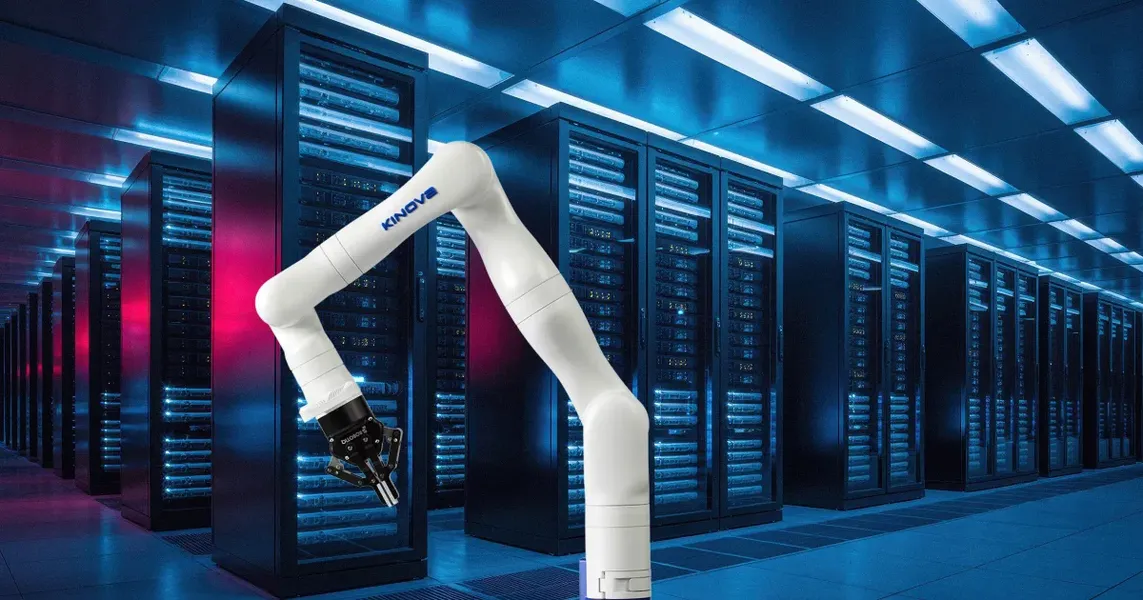
Meta is testing robotic arms from ABB, Kinova, and Watney Robotics to automate maintenance in its AI data centers, per reporting by Ars Technica. The trial tasks include hot-swapping network cables and cycling power to server racks. An anonymous Meta staffer told Ars that, if successful, a Kinova arm could replace up to 80 percent of the facility's maintenance workload. The program is described as in very early stages, and Meta declined to comment when approached.
Why This Matters for AI Infrastructure Builders
Data center overhead is dominated by hardware costs, especially AI chips. Human labor for maintenance is a small fraction of total cost, yet Meta is investing in automation that targets even that marginal expense. For builders operating large clusters, any reduction in on-site headcount or improvement in uptime from faster maintenance cycles affects total cost of ownership. The broader signal is that the largest operators are pushing toward fully automated facilities, which could reshape labor dynamics and operational risk for everyone building at scale.
Practical Impact on Data Center Operations and Costs
If the trials prove reliable, routine tasks like cable swaps and server restarts could be handled by robotic arms without human intervention, reducing the need for skeleton crews at each site. Multiple vendors are being evaluated: ABB, Kinova, and Watney Robotics supply the hardware, and the WIRED report confirms the same suppliers are in active use in facilities including Iowa and Ohio. This points to a multi-vendor strategy rather than a single platform. The automation also reduces human error during repetitive tasks, potentially improving reliability, though no uptime data has been shared.
Key Caveats and Open Questions
The evidence comes entirely from early-stage trials and anonymous staff comments. Meta has not issued an official statement beyond declining comment, so the scope, timeline, and actual performance remain unconfirmed. The 80% workload replacement number is a single anonymous internal estimate, not a verified projection. There is no information on whether these robots are operating in production environments or test labs, nor any data on failure rates or cost savings. For builders evaluating similar automation, the takeaway is to watch for official data from Meta before adjusting workforce or facility plans.
FAQs
Sources
- As If There Was Any Question About Data Centers Being Weak Job Creators, Meta Is Now Deploying Robots to Maintain Them
- As If There Was Any Question About Data Centers Being Weak...
- Billionaires Pouring Money Into Ads About How AI Data Centers Are...
- Inside Meta’s Push to Put Robots to Work in Data Centers | WIRED
- Meta Data Center Robots Expose Two-Stage Automation Squeeze on...
- The largest Meta data center yet brings big... - Meta Data Centers