OpenAI and Anthropic IPOs: The Safety Trade-Off Builders Need to Watch
Published by AINave Editorial • Reviewed by Ramit
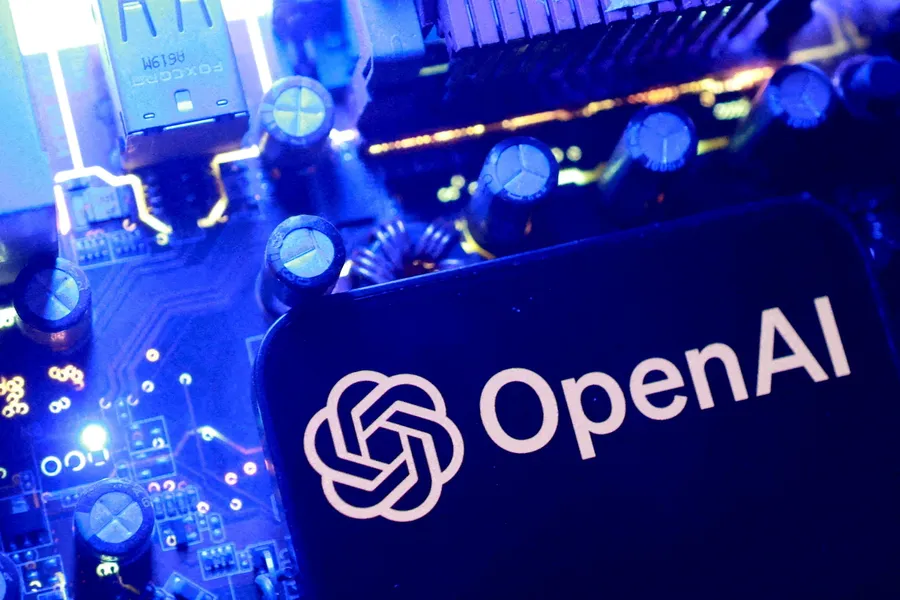
OpenAI and Anthropic, two companies built on the idea that AI safety should not be sacrificed for profit, are now racing to Wall Street. Both confidentially filed for IPOs in June, with investors eyeing valuations around $1 trillion for OpenAI and up to $2 trillion for Anthropic. For AI builders, this shift from private safety-first labs to public companies could change how these firms balance safety research against revenue growth.
The IPO filings and the valuations being discussed
In June, OpenAI and Anthropic both submitted confidential IPO filings. Investor chatter has centered on valuations around $1 trillion for OpenAI and as much as $2 trillion for Anthropic. Elon Musk's SpaceX, which owns frontier lab xAI, also went public on Nasdaq in June at a valuation of about $2.1 trillion. The simultaneous moves signal a wave of AI companies seeking liquidity and public market validation.
What the IPO rush means for AI builders
These companies were founded on the premise that AI is too dangerous to be driven purely by profit. Going public introduces quarterly earnings pressure, shareholder expectations, and a need to demonstrate growth. For builders who rely on OpenAI and Anthropic APIs, this could mean faster product releases, more aggressive monetization, and potentially less emphasis on safety guardrails that slow down deployment. The tension between safety and scale is no longer an internal debate; it becomes a market signal.
How public markets could reshape AI funding and governance
Public listings unlock massive capital for compute, research, and talent. But they also bring regulatory scrutiny, disclosure requirements, and governance changes. The NYT reported that OpenAI hopes to raise billions, which could fund next-generation models and infrastructure. However, the same pressure to meet revenue targets could deprioritize safety research that doesn't directly contribute to the bottom line. Builders should watch for changes in API pricing, model release cadence, and safety documentation as these companies adapt to public market rhythms.
What remains uncertain
The reported valuations are speculative and subject to market conditions. The IPO plans are confidential and could change. The safety trade-off argument is based on commentary and analysis, not confirmed policy shifts from either company. It's also unclear how much influence early investors or safety-focused board members will retain post-IPO. Builders should treat these developments as directional signals rather than settled outcomes.
For now, the key takeaway is that the incentives governing the most influential AI labs are shifting. If you build on top of their models or infrastructure, you should expect their priorities to evolve accordingly.
FAQs
Sources
- Safety will be the collateral as AI companies rush to Wall Street
- OpenAI Files Confidentially for IPO as AI Companies Rush to Wall...
- Wall Street Rushes to Issue Margin Calls as AI Stocks Plunge
- WallRush
- The Economic Tsunami – The Old Money Book
- China's AI chip boom threatens GPU collateral in Nvidia's $500B Wall Street deal
- Why Wall Street and Nvidia Are Building an Exotic Money Pipeline for the AI Boom
- China’s AI Chip Boom Threatens GPU Collateral in Nvidia’s $500B Wall Street Deal
- Wall Street Is Repackaging The AI Bubble | Seeking Alpha
- Wall Street’s traditional quant strategies are being disrupted as artificial intelligence reshapes the market | Bitget News
- Michael Watson: AI Is the New Market Beta — Wall Street's Risk Models Aren't Ready — BigGo Finance
- The AI Takeover Is Closer Than You Think - YouTube