The bipartisan AI Kill Switch Act would require qualifying frontier AI developers to maintain technical controls that can slow or stop powerful models. For builders, the main issue is operational dependency: an emergency order could affect services, agents, and products built on those models.
The UK AI jobs market is showing a sharp split: demand is recovering for senior software and AI specialists while vacancies in manufacturing, construction, and other sectors decline. For AI builders, the signal is that applied AI experience is becoming more valuable, but the entry path into these roles is getting harder.
Apple's M5 MacBook Air is reportedly facing unusually tight supply as AI datacenter demand strains memory and storage markets. For builders, the practical lesson is that hardware budgets, lead times, and regional sourcing now need more contingency.
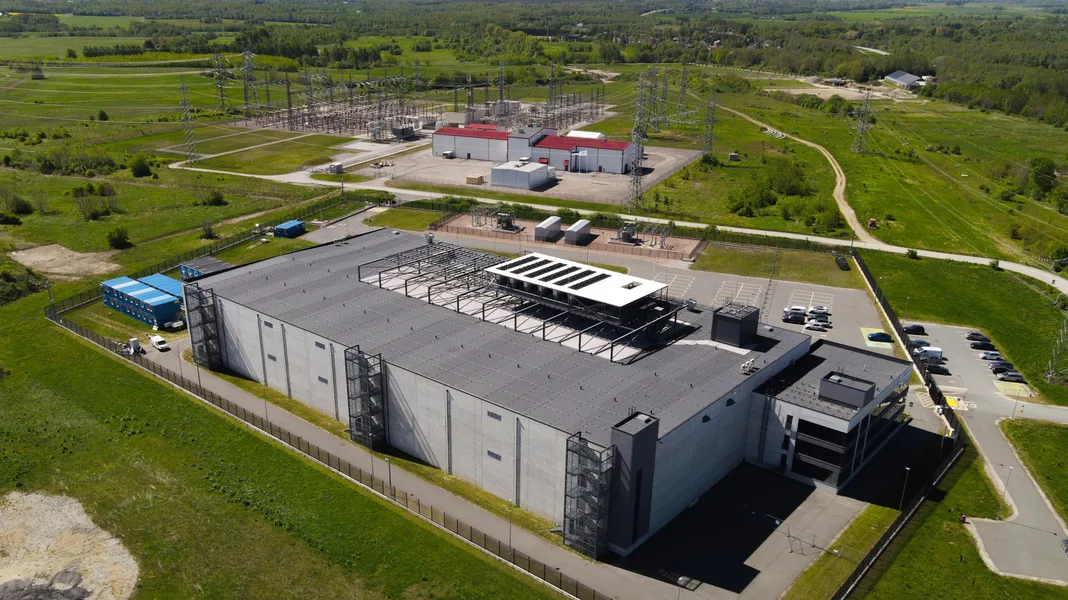
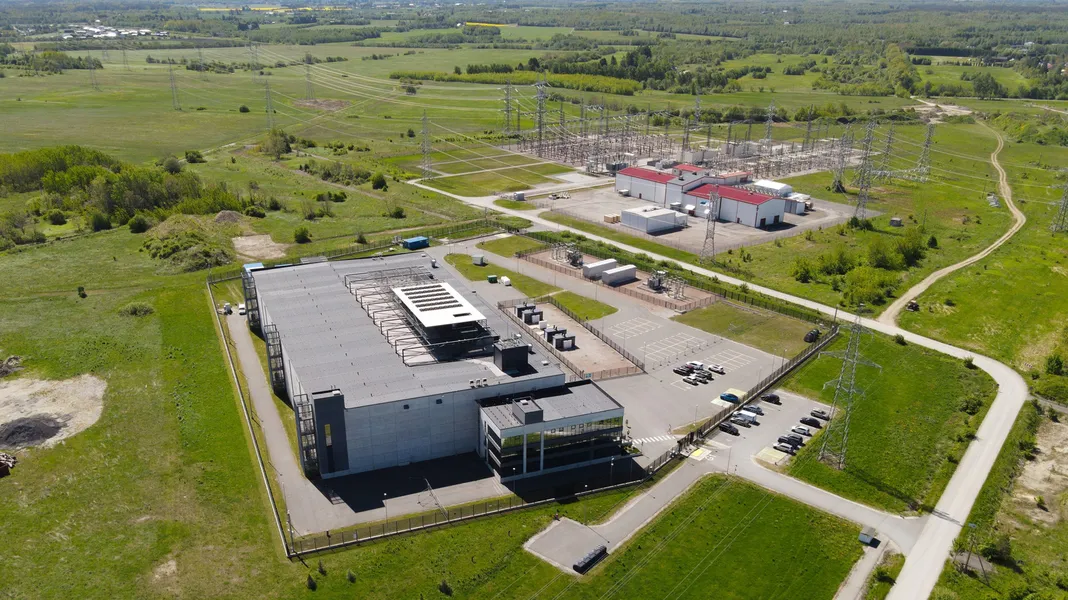
US data centers are on track for a major capacity increase as AI adoption drives demand for cloud and enterprise computing. Power availability, water usage, cooling costs and community opposition are becoming practical limits on how quickly new facilities can open.
Small businesses are moving away from unrestricted AI usage as token costs rise and productivity gains remain uneven. The more useful approach is disciplined deployment: route simple work to cheaper models and measure outcomes before scaling.
AI tools are helping researchers uncover Apple security vulnerabilities at a pace that strains human review. Apple is tightening its bug bounty workflow and using stronger evidence requirements to separate reproducible exploits from theoretical findings.
OpenAI identified Astra as its next major model while discussing mathematical research produced by an internal version. For builders, the bigger signal is the uncertainty around naming, availability, capabilities, and how to plan around unreleased systems.
ChatPlayground AI is offering a time-limited $79 lifetime deal for a dashboard that brings more than 20 AI models into one workspace. For builders, the useful feature is faster model comparison, although the deal's availability and long-term terms require verification.
Analyst estimates cited by Ed Zitron suggest OpenAI and Anthropic could account for more than 48% of Google Cloud revenue in 2027. For AI builders, the issue is whether hyperscaler capacity, pricing, and availability depend on two heavily funded but loss-making customers.
Businesses are moving from aggressive AI token use toward “token thrifting” as spending grows faster than clearly demonstrated returns. For builders, the shift means treating inference cost as a product and operational constraint, not an afterthought.
A proposed California class action claims Motive's AI dashcams collect license plates, vehicle images, GPS timestamps, and driver biometric data without adequate disclosure. For fleet operators and AI builders, the case shows how a safety system's data exhaust can create obligations beyond its advertised purpose.