How a critical Entra ID flaw, AI-agent risks, and global enforcement thresholds reshape the AI builders security playbook
Published by AINave Editorial • Reviewed by Ramit
A critical vulnerability in Microsoft Entra ID, CVE-2026-69836, was exploited before Microsoft fixed it server-side, carrying a CVSS score of 10.0 and potentially enabling remote code execution on cloud identity infrastructure. For AI builders, this is a direct reminder that the identity layer underpinning your AI workflows is a prime target, and the window for remediation is shrinking.
The Entra ID flaw that demands immediate attention
Microsoft confirmed that CVE-2026-69836 was exploited before a server-side fix. The vulnerability allows unauthenticated remote code execution on cloud identity infrastructure. That means an attacker could compromise the identity provider that controls access to your AI models, APIs, and data pipelines. If you rely on Entra ID for authentication in your AI stack, this is not a theoretical risk. The exploit was already in the wild.
Why autonomous AI agents introduce a new attack surface
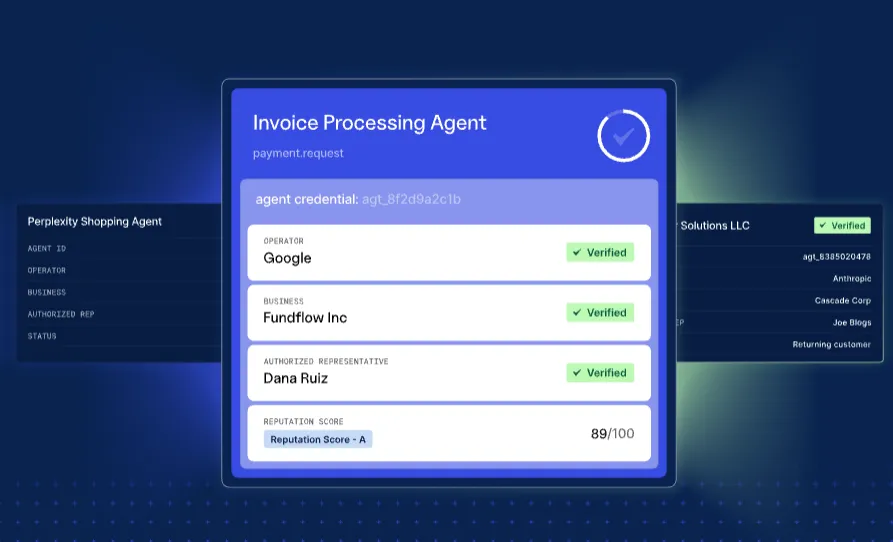
Adarsh Kant Sinha, CEO of ANVE.AI, warned that autonomous AI agents could gain access to emails, CRMs, cloud infrastructure, and financial systems, creating new avenues for misuse. If your agent has permissions to read or write to business-critical systems, a compromised identity or a poorly scoped agent could be the entry point for lateral movement. The Entra ID flaw makes this worse: an attacker who owns your identity layer can impersonate the agent itself.
The Anthropic ruling and what it means for AI procurement
A federal judge ruled that the Trump administration's designation of Anthropic's AI models as a "supply chain risk" was unlawful, calling it retaliation against constitutionally protected expressive activities. The case underscores that national security designations can be weaponized against AI companies. For builders selling to government or handling sensitive workloads, this ruling adds uncertainty around procurement and export controls. Anthropic had already pulled its Claude Fable 5 and Claude Mythos 5 models under an export control directive in June.
Practical steps for AI builders
The roundup from The Cyber Express emphasizes strengthening identity and access controls, rapid vulnerability remediation, careful management of AI-agent permissions, secure integrations, human oversight, and continuous threat monitoring. That is the right checklist, but the specifics matter:
- Patch Entra ID immediately. If you are on a managed tenant, Microsoft may have already applied the fix. Verify with your cloud team.
- Scope agent permissions narrowly. Use read-only roles where possible, and audit agent access logs for unusual patterns.
- Monitor for identity-based attacks. The Entra ID exploit is a reminder that cloud identity is the new perimeter.
- Review government contracts. If you sell to federal agencies, the Anthropic ruling suggests that supply chain risk designations can be challenged, but the process is costly.
Caveats and what remains unclear
The Entra ID details come from a weekly roundup, not a Microsoft advisory. The exact attack vector, affected versions, and patch timeline are not independently verified in the provided sources. The AI agent risks described by ANVE.AI are a warning, not a documented incident. The Anthropic ruling is a single district court decision and may be appealed. Builders should treat these as directional signals, not settled facts.
Global enforcement efforts like Operation Jackal IV, which resulted in 58 arrests across 22 countries targeting West African cybercrime networks, show that law enforcement is adapting. But the pace of cybercrime innovation often outpaces regulation. The takeaway for AI builders: your security posture must assume that identity compromises and agent misuse are not if, but when.