AI regulation in financial services: why governance clarity matters for builders and operators
Published by AINave Editorial • Reviewed by Ramit
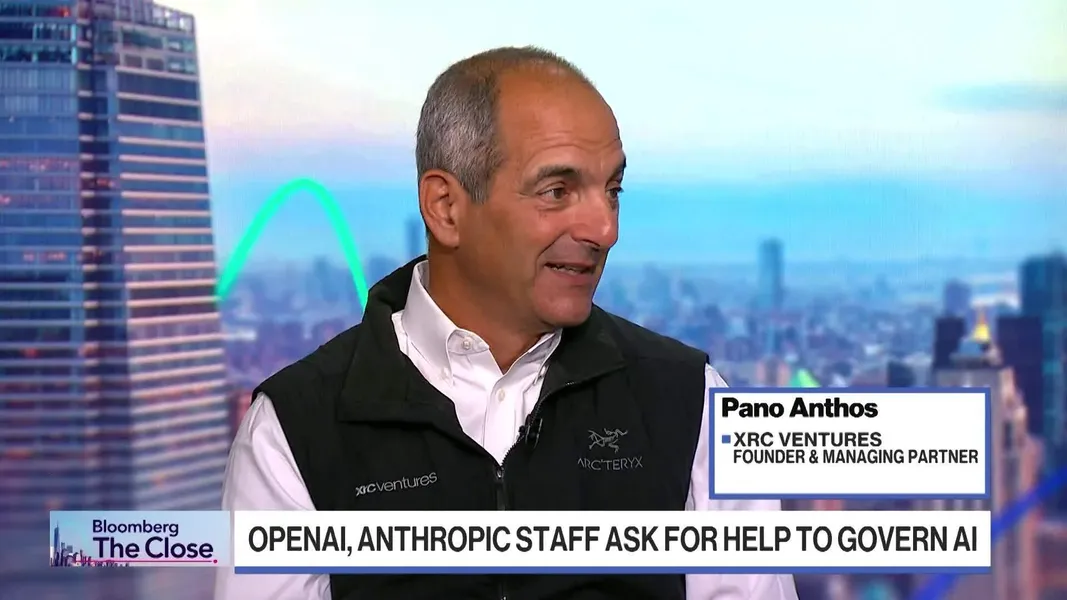
Regulatory clarity is becoming a prerequisite for safe, scalable AI deployment in financial services. In a Bloomberg interview on July 28, 2026, XRC Ventures founder and managing partner Pano Anthos argued that stronger AI regulation is needed as insurers retreat from AI risk or struggle to balance internal architectures with external AI programs. For AI builders, founders, and product teams working in regulated sectors, this signals that governance frameworks will shape how AI is integrated into underwriting, pricing, and risk models.
What happened
Anthos spoke with Bloomberg anchors Romaine Bostick and Emily Graffeo on "The Close" about the scale of AI governance issues facing financial services. He emphasized that insurance firms are dropping or excluding AI risk, and companies are struggling to manage their internal architectures against outside AI programs. The discussion connected the need for clearer regulatory frameworks to manage risk across underwriting, pricing, and risk models.
Why AI builders should care
For teams building AI products for finance, insurance, or reinsurance, regulatory ambiguity is a direct blocker. Anthos framed regulatory clarity as critical for enabling responsible AI deployment and reducing systemic risk. Without clear rules, insurers may avoid covering AI-related risks altogether, which slows adoption for AI vendors and risk managers. Builders should expect that governance requirements will influence product design, data handling, and model explainability.
Practical implications
Product teams should design AI systems with governance in mind from day one. That means building AI risk controls that align with potential regulatory expectations across underwriting and pricing. Interoperability standards across AI systems will become more critical as vendors and insurers coordinate risk management tools. If you are shipping AI into regulated environments, plan for compliance requirements that may vary by jurisdiction and evolve over time.
Caveats
The source material is a high-level interview summary with limited detail on specific regulatory proposals, timelines, or frameworks. The Bloomberg segment description and raw content provide the core argument but do not include concrete policy recommendations or technical standards. Builders should treat this as a directional signal rather than a detailed roadmap.