Uber expands into travel and AI-powered rider experiences, signaling a focused multiproduct strategy
Published by AINave Editorial • Reviewed by Ramit
Uber is quietly building a multiproduct platform that extends well beyond ride-hailing and food delivery. The company has introduced hotel bookings powered by Expedia, a "shop for me" catalog, and AI-driven features for drivers and riders. For AI builders and product teams, Uber's strategy offers a case study in focused expansion, data monetization, and hybrid autonomy.
What happened
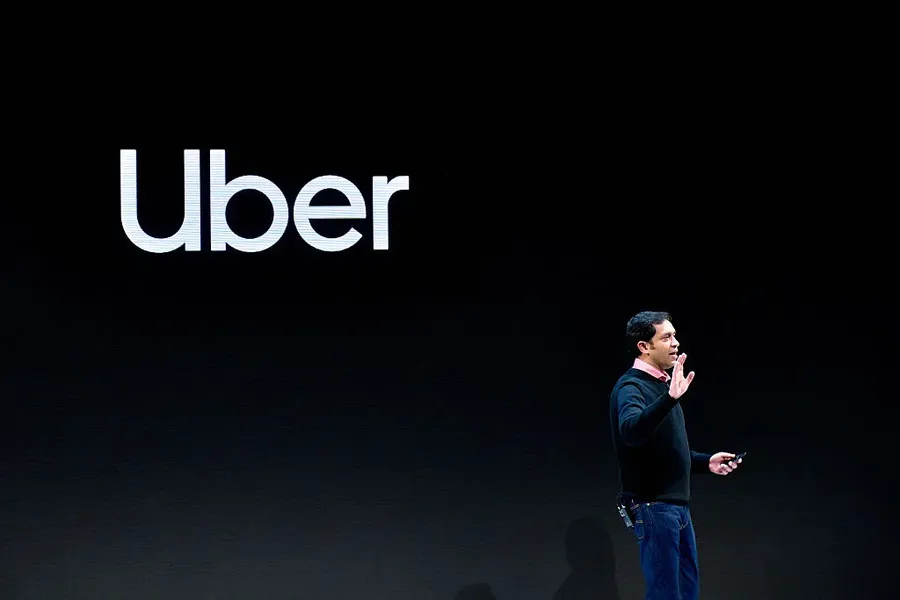
Uber Chief Product Officer Sachin Kansal detailed the company's recent moves in a TechCrunch interview. The headline addition is hotel bookings through a deep integration with Expedia, part of a broader travel push. Uber reports that 1.5 billion trips annually occur outside a user's home city, making travel a natural third vertical after rides and Eats.
On the autonomy front, Uber wound down its Waymo pilot in Phoenix while scaling deployments in Austin and Atlanta with hundreds of cars. The company also launched AV Labs, a six-month-old unit equipping hundreds of sensor-laden vehicles to collect millions of miles of driving data for autonomy partners.
AI features are rolling out to users today. An earner assistant advises drivers on where to find demand, a grocery cart assistant lets Eats users build carts by voice, and riders can request rides with voice. A fully agentic trip planner is on the horizon but has no release date.
Why AI builders should care
Uber is building a data-centric autonomy strategy. AV Labs collects edge-case driving data that autonomy partners need, and Uber's operational know-how from 10 million earners and 25 million lost items annually gives it unique leverage. Separately, Uber is selling data labeling services to Gen AI companies using its earner base for audio transcription and labeling. This creates a new revenue stream and a data moat.
The AI features already in production show how large platforms can deploy assistants without overpromising. The earner assistant and grocery cart assistant are narrow, high-value use cases that improve retention and transaction frequency.
Practical implications
Uber's partnership-first approach is instructive. For hotels, Uber built a deep integration with Expedia. For boat rentals in Europe, it hands off to a partner's booking flow. This lets Uber test new verticals without heavy upfront investment.
The hybrid autonomy model (human drivers plus AVs in the same city) balances supply and demand while mitigating regulatory and edge-case risks. For builders working on autonomous systems, this pragmatic approach reduces the need for full L4 coverage from day one.
Uber's Uber Pro debit card and Uber credits create a closed-loop loyalty system that drives cross-service adoption. The Uber One membership, with 51 million members accounting for roughly half of bookings, demonstrates the power of bundling.
Caveats
No production date or guaranteed feature set exists for the fully agentic trip planner. Kansal emphasized that Uber wants to avoid shipping an agent that "doesn't work that well." The AV Labs data-sharing model with partners is still being figured out. Data labeling for Gen AI companies is early-stage and separate from AV data. All strategic details reflect current discussions and may evolve.
FAQs
Sources
- Uber’s product chief on hotels, robotaxis, and why the company doesn’t want to be “everything for everyone”
- Uber’s product chief on hotels, robotaxis, and why the ...
- Uber's Product Chief on Hotels, Robotaxis, and Why Less Is More
- Uber’s Product Chief on AI Strategy: Robotaxis, AV Labs Data ...
- How Uber’s new product chief is gearing up for robotaxis
- TechCrunch Mobility: Uber enters its assetmaxxing era
- Uber turns on Waymo as it pours $10B+ into owning robotaxi alternatives
- Waymo and Uber quietly part ways in Phoenix
- Uber and Lyft Gain 7% as Bold Bets on Robotaxis and Buybacks Reignite Investor Excitement
- WeRide, Uber, and AVOMO Bring Robotaxis to Madrid
- Uber’s product chief on hotels, robotaxis, and why the ...
- Uber’s product chief on hotels, robotaxis, and why the company doesn’t want to be “everything for everyone”
- Uber, Stellantis, and Wayve want to blanket the world in robotaxis
- Uber is in the hotel business now, thanks in part to AI