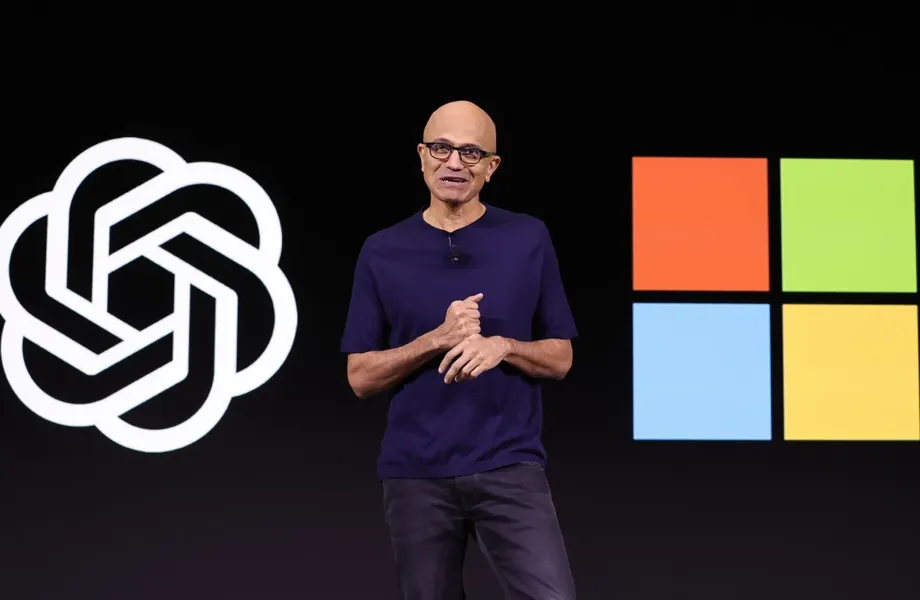
Satya Nadella warns AI buyers pay twice: data ownership is the hidden cost
Published by AINave Editorial • Reviewed by Ramit
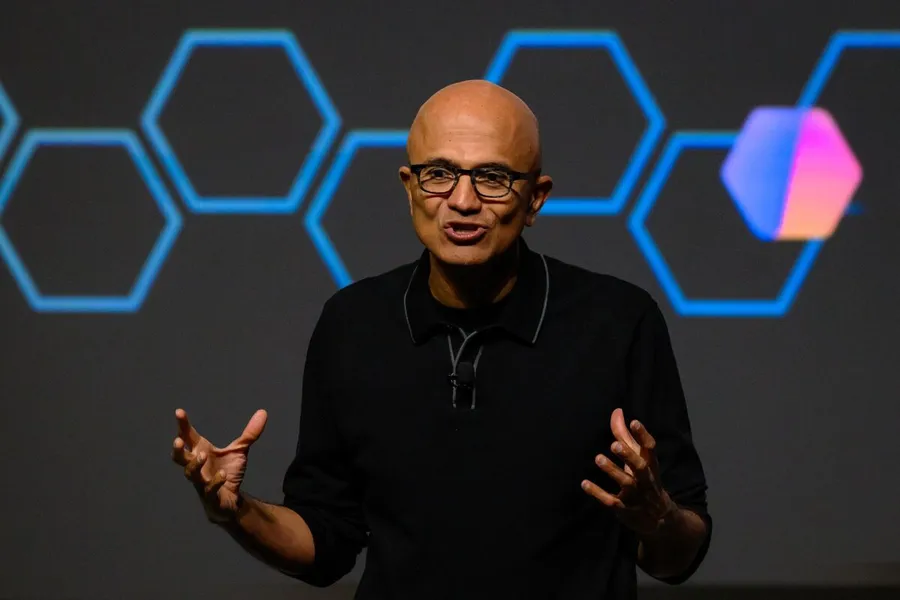
Satya Nadella, CEO of Microsoft, published a blog post warning that enterprises using proprietary AI models are paying twice: once for token usage and again by handing over proprietary knowledge through prompts, feedback, and corrections. This warning has direct implications for how AI builders and enterprise operators approach AI data ownership, model selection, and data governance.
What happened
In a blog post, Nadella joined a growing chorus of voices concerned that AI labs like OpenAI and Anthropic act as Trojan horses, gaining access to company secrets through model usage. He wrote: "You essentially pay for intelligence twice, once with money, and again with something even more valuable: the proprietary knowledge you must reveal to make that intelligence useful." He specifically warned that models learn from "exhaust" -- the prompts, agent tools, and corrections that enterprises feed them. Every correction is distilled into institutional know-how that a competitor could never buy.
Nadella also criticized the asymmetry in data rights. He pointed out that model makers freely train on public data but then impose restrictive terms on model distillation, the practice of using a model's outputs to train a new model. He called for fair use of public data while enabling enterprises to distill models in return.
Why AI builders should care
For teams building AI products or workflows, Nadella's warning underscores a structural risk: relying on a single proprietary model exposes your organization's data and creates lock-in. His proposed solution is to retain ownership of data by building proprietary learning environments on the cloud (conveniently Azure) and introducing orchestration layers that allow switching between providers. This directly aligns with the growing trend of multi-provider AI workflows and data governance practices.
The message is clear: if you depend on a single model provider, you are not just paying for tokens -- you are also training a competitor. Builders should architect their systems to be model-agnostic from the start.
Practical implications
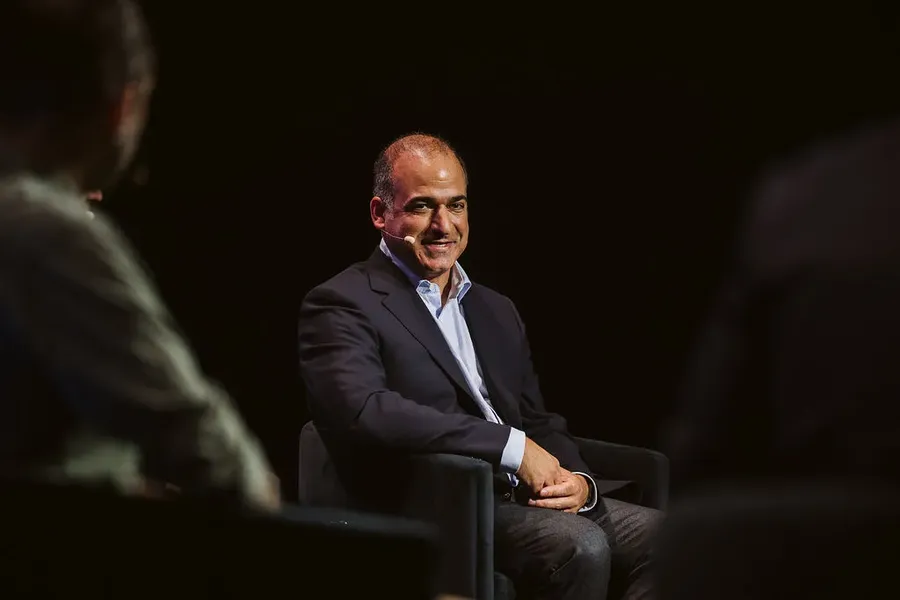
Enterprises are already moving toward on-prem AI models and open-source alternatives. Idit Levine, CEO of Solo.io, notes that her customers ask: "Can I take an open source model and run it on-prem? It will do almost 90% of what the big one's doing. It will cost way less." Solo.io powers the Linux Foundation's Agentgateway project, used by companies like T-Mobile, ADP, and SAP.
Vercel and OpenRouter report a surge in traffic to open-source models. Last month, open models accounted for 29% of all traffic routed through Vercel's gateway. This shift toward cost parity and control is accelerating. The table below summarizes the key differences between the two approaches:
| Approach | Data control | Cost | Vendor lock-in |
|---|---|---|---|
| Proprietary models | Low: data is shared with provider | Pay per token + hidden data cost | High |
| On-prem open-source models | High: data stays on infrastructure | Lower, near 90% of proprietary cost | Low |
| Multi-provider gateways | Medium: orchestration layer governs data | Variable, but can optimize cost | Low |
Nadella's own investment in OpenAI and Anthropic makes his warning especially notable. He is telling his own partners' customers to be cautious.
Caveats
Nadella is the CEO of Microsoft, which profits from Azure and its own AI services. His proposed solution -- building on Azure -- has a clear self-interest. The warning applies equally to Microsoft's own models. The analysis here is based on secondary reporting; direct quotes and figures should be verified against original Microsoft statements. Additionally, the shift to on-prem models requires infrastructure and expertise that not all enterprises have.
FAQs
Sources
- Satya Nadella has issued a shocking warning to companies using AI
- Satya Nadella has issued a shocking warning to companies using AI
- Nadella warns AI companies on job impact | Dr. Vikas... | LinkedIn
- Satya Nadella’s blunt AI warning: Don’t hand the world’s curiosity to...
- Microsoft CEO Issues AI Warning: Companies That Rent Models...
- Microsoft CEO Nadella Warns on AI ‘Token Capital’ — Why Samson...
- Microsoft CEO Satya Nadella warns against AI concentration
- Microsoft CEO Satya Nadella warns AI dominance could 'hollow out entire industries'
- Microsoft CEO has a warning about the AI race
- Microsoft CEO Satya Nadella has a message for... - The Times of India
- 'The last thing any of us want': Microsoft CEO Satya Nadella warns AI....
- Microsoft CEO Satya Nadella warns AI dominance could 'hollow out entire industries'
- Microsoft CEO Satya Nadella has a message for Google, OpenAI, Anthropic and all the AI companies: You can't say jobs are gone, and then build...
- Satya Nadella warns against AI monopoly, says too much power lies in too few hands
- Satya Nadella has issued a shocking warning to companies using AI