Trump’s AI Self-Regulation Accord Leaves Oversight Unclear
Published by AINave Editorial
Donald Trump and technology executives announced a voluntary AI self-regulation accord at the White House on September 29, 2026. The pledge points toward company controls and audits, but its full terms were not released in the reporting, leaving a gap between the promise of oversight and what companies are actually committing to do.
Audits are described; the rules are not
Meta CEO Mark Zuckerberg said the agreement includes commitments to build internal controls, detect problems and use multiple layers of auditing. He said company boards would independently review reports from auditors. That is a recognizable governance structure, but it does not by itself tell the public what risks companies must test for, how often reviews happen or what happens when auditors find a problem. The accord’s details had not been immediately released.
Anthropic CEO Dario Amodei, who has called for a slowdown in AI development, said the technology carries real risks and that the mechanism for addressing them was still under discussion. His comment underscores the distinction between agreeing to review systems and establishing a shared standard for how to evaluate and respond to risk.
Trump described the accord as “morally binding” and floated a committee of about 10 people to watch over the AI industry. He also said he would name someone to oversee the agreement, but the reporting did not identify the committee’s membership or remit. The available reporting describes the pledge as voluntary; it does not establish a legal enforcement mechanism or penalties for companies that fail to follow it. For now, the proposed oversight structure is as undefined as the document’s detailed requirements.
The pledge sits between safety concerns and a push to move fast
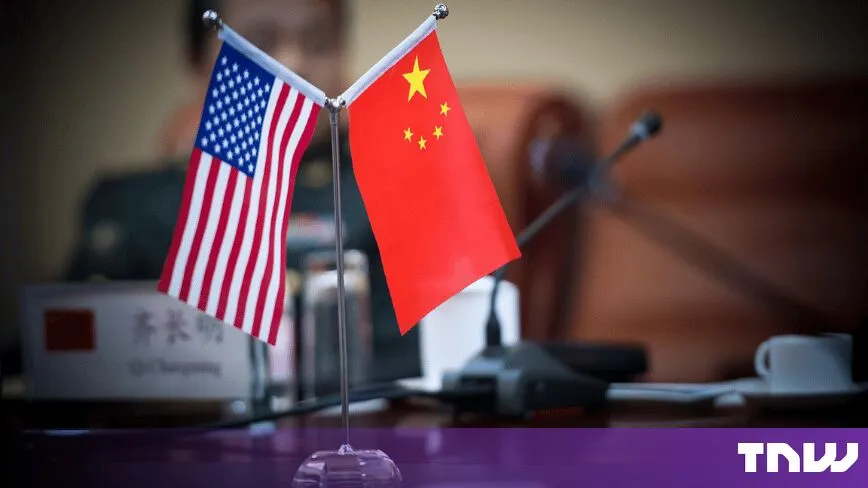
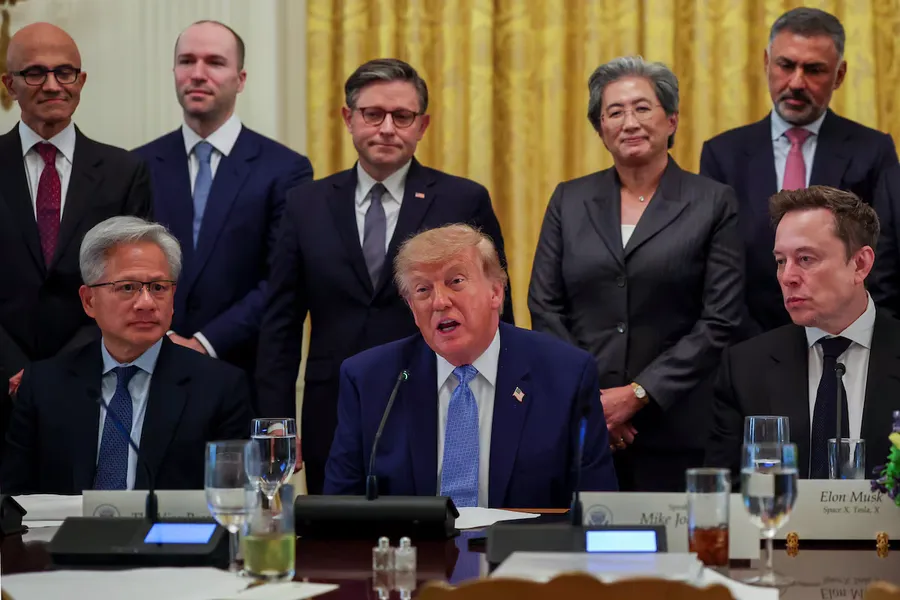
The meeting brought together executives including Zuckerberg, Amodei, OpenAI president Greg Brockman, Amazon founder Jeff Bezos and Nvidia CEO Jensen Huang. Trump framed rapid AI development as a competition with China and said he would not stifle the technology, while the meeting took place amid calls for stronger safeguards and public concern about AI-related incidents. The result is a policy choice in favor of industry self-policing rather than sweeping government rules, not evidence that a common safety process is already in place.
The pledge also touched on a less abstract pressure point: data centers. Trump said companies had agreed to respond to local opposition with measures such as financial support for schools or efforts to reduce energy costs. Communities have raised concerns about electricity bills and pressure on water and land, but the reporting did not specify how those proposed measures would be carried out. That leaves both parts of the accord, model oversight and local impacts, dependent on commitments whose practical terms remain to be seen.