OpenClaw Enterprise puts persistent-agent governance first
Published by AINave Editorial
OpenClaw Enterprise (OCE) is a new vendor-neutral, MIT-licensed control plane for persistent AI agents, built to manage security, permissions, auditing and infrastructure around agents rather than provide a new model or assistant. OpenAI and Red Hat are piloting it internally, but the Foundation recommends pilot workloads, not a production-wide rollout.
That distinction matters because the platform is aimed at agents with ongoing access to company systems. The more useful an agent becomes in operational work, the more likely it is to need permissions for repositories, logs, credentials or deployment tools. OCE’s central pitch is to put organizational controls around that access.
A management layer, not an agent runtime
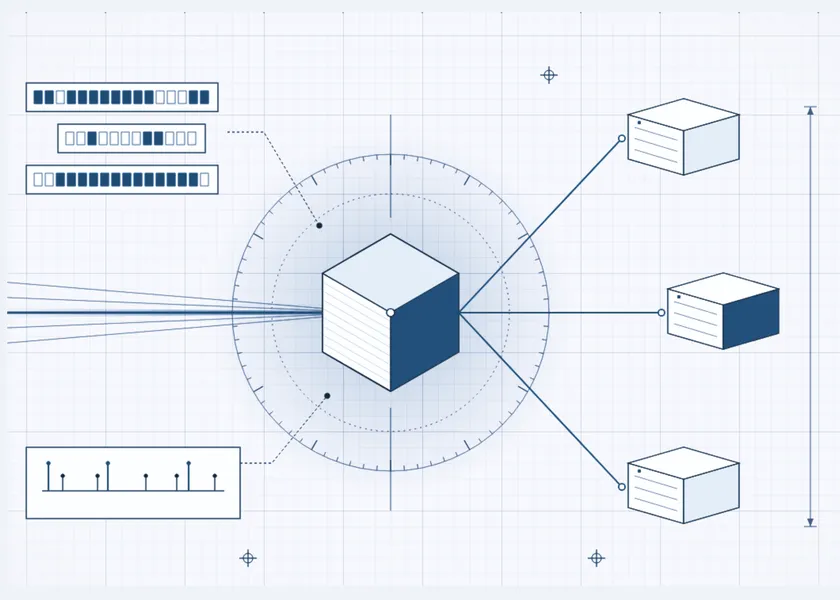
OCE adds multi-tenant administration, fine-grained permissions, workload isolation, sandboxing, lifecycle governance and auditing. It also includes mechanisms for reviewing agent actions with language models. Companies can replace the underlying models, agent harnesses and sandbox implementations, so adopting OCE does not require choosing one vendor’s entire agent stack.
The clearest example of why this matters comes from OpenAI’s internal use. OpenAI technical staff member RJ Marsan described an agent called Androidclaw that works across company context, Git, GitHub and logging systems. According to Marsan, it can investigate broken builds, connect product problems to incidents and sometimes prepare and merge fixes. That is a concrete workflow, but it is an account of internal use, not independent evidence that OCE is ready for broad production deployment.
Self-hosting is available; security details are still developing
Organizations can run OCE themselves: Docker Compose is supported for local development, while Kubernetes supports internal deployments, including into existing production clusters. OpenClaw says the platform will remain free to use under the MIT License. That removes a software license fee, not the costs of compute, models, storage or operating the infrastructure.
The project’s current stage is the more important constraint for teams evaluating those controls. The Foundation recommends internal pilot workloads and says a reference architecture explaining how workload boundaries, sandboxing, language-model reviews and permissions fit together is still forthcoming. A 1.0 release is planned later in the year, but no specific date is given.
OCE’s value proposition is therefore clear, while the implementation details still need to catch up: it offers a self-hostable layer for governing agents across an organization, without locking teams into one model or runtime. But a list of controls is not the same as a demonstrated security boundary. Until the reference architecture is available, the project’s pilot guidance is a meaningful limit on how much confidence its enterprise label should carry.