The Data Center Backlash Is a Real Risk for AI Builders
Published by AINave Editorial • Reviewed by Ramit
The rapid buildout of AI data centers across the US is generating a growing backlash from local communities, with politicians slow to respond and $64 billion in projects already blocked or delayed. For AI builders, this means infrastructure access could become more expensive and uncertain, forcing earlier attention to siting and policy risk.
The Backlash Is Real and Growing
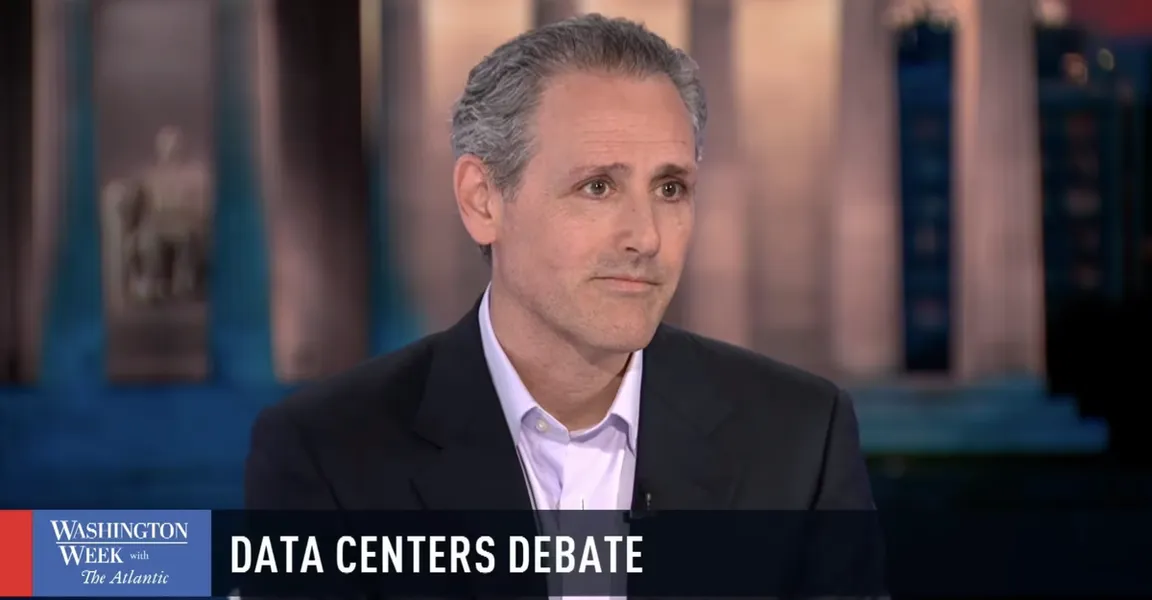
Josh Tyrangiel, a staff writer for The Atlantic, noted on Washington Week that data centers are "landing themselves without a whole lot of conversation" in American towns. He argued that fears about AI taking jobs, rendering people obsolete, and changing values are now focused on these facilities. Communities do not believe they will share in the wealth generated by data centers, and politicians have been "incredibly late to wake up to the anger around AI" (The Atlantic).
The opposition is bipartisan and nationwide. Maine became the first state to pass a bill banning large-scale data centers, and a Wisconsin city approved a referendum restricting them (The Hill). Groups have also sought to recall the mayor of Port Washington over a $15 billion AI data center campus (Yahoo News). Globally, communities from Scotland to India are pushing back, warning about resource demands (The Guardian).
What AI Infrastructure Competition Means for Builders
If you are building AI products that depend on new data center capacity for training or inference, you need to factor in permitting delays, potential moratoriums, and higher costs for compliance and community benefits. A report from DataCenterWatch notes that $64 billion in US projects have been blocked or delayed by local opposition.
The backlash has rattled industry leaders. OpenAI’s Sam Altman has acknowledged that people are "pretty negative on AI" (MSN). This sentiment is not fringe: political operatives describe the data center opposition as "real, organic, widespread" (MSN). AI infrastructure, once a quiet utility play, is now a national flashpoint (Nymag).
For builders, the practical takeaway is clear: do not assume fast, cheap, or uncontested infrastructure rollouts. Secondary markets, modular edge data centers, and early community benefit agreements may become necessary planning steps. The House Energy and Commerce committee has become a testing ground for data center messaging (Politico), suggesting federal policy shifts are coming.
Caveats Worth Noting
Some opposition is based on misunderstandings. Reason’s editorial argues the backlash against data centers is "bipartisan, nationwide, and wrong," pointing out that local economic benefits and job creation are often understated. But the political momentum is real and likely to affect permitting timelines and costs regardless of the factual merits. Builders should monitor local elections and zoning changes closely.
FAQs
Sources
- The Backlash Against Data Centers
- $64 billion of data center projects have been blocked or ...
- The data center backlash is here. Big Tech is spending to ...
- The data center backlash is bipartisan, nationwide, and wrong
- Wednesday briefing: What’s behind the global backlash against ...
- What cities can learn from the backlash against data centers
- Messaging on data centers is hard. This committee offers a safe space.
- The Data-Center Backlash Looms Large Ahead of the Midterm Elections
- Data center backlash has officially rattled Sam Altman
- Opinion: Backlash against AI data centers is real, organic, widespread
- Fox News AI newsletter: The network driving fight against data centers, Flock cameras
- Local backlash against data centers gains traction - The Hill
- Inside the backlash on data centers | Institute for Business ...
- The Bipartisan Backlash Against Data Centers - No Labels
- Group seeks to recall Port Washington mayor over data center project
- Parents’ Consent at the Heart of Ed Tech Lawsuits