How ChatGPT Image 2 is Restructuring Creative Teams and Workflows
Published by AINave Editorial • Reviewed by Ramit
OpenAI's ChatGPT Image 2 has emerged as a transformative force in the creative sector, revolutionizing team dynamics and workflows with innovative features such as live web search integration and self-verification processes. With an impressive 93% success rate in blind comparisons, this tool not only enhances the relevance of visual outputs but also pushes marketing teams to produce culturally tailored ad campaigns and detailed UI mockups from simple text prompts.
Navigating New Roles in Creative Teams
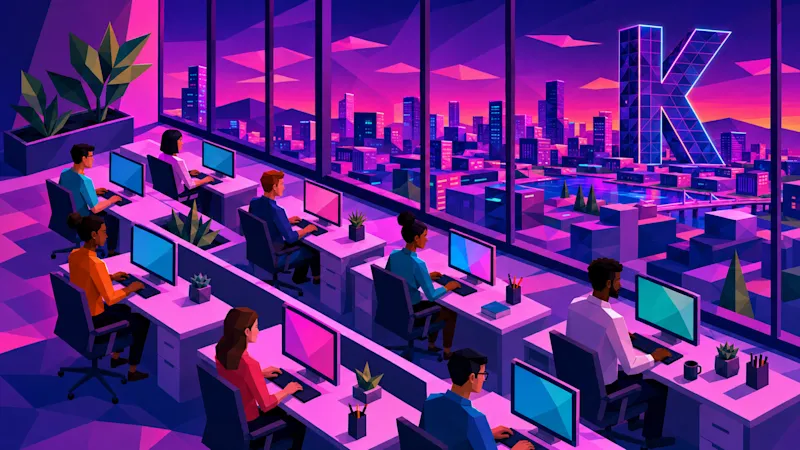
As AI continues to influence creative industries, roles across marketing, design, and engineering are evolving. Teams are now encouraged to prioritize high-level strategic planning over repetitive manual tasks. GPT Image 2 empowers creative professionals by reducing the need for traditional design processes, which often involve time-consuming revisions. Instead, the advanced capabilities of this AI model allow production teams to focus on critical elements like intent and context, ultimately fostering creativity and innovation in their outputs.
The development of this AI tool underscores the growing importance of clear communication and adaptability within creative teams. As such technologies become integral to project workflows, professionals will increasingly need to craft precise specifications that maximize the tool's capabilities.
Addressing Ethical Concerns
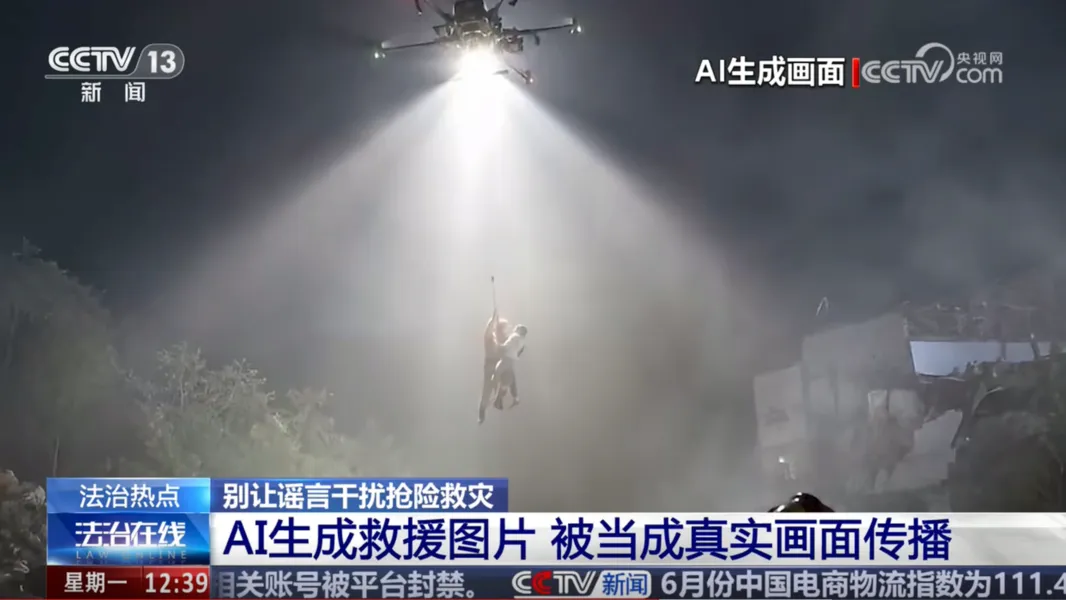
Nevertheless, the introduction of GPT Image 2 is not without its challenges. The tool raises several ethical and practical limitations, particularly regarding the potential for forgery and insufficient content verification. As AI-generated content becomes more lifelike, risks associated with its misuse in sensitive areas such as journalism and legal documentation present serious concerns. Human oversight remains essential to mitigate these risks, ensuring that outputs meet quality standards and ethical frameworks.
Additionally, current watermarking methods to identify AI-generated imagery have proven inadequate in safeguarding against possible forgeries. The industry must respond with effective safeguards that restore trust in the authenticity of visual content.
Complementary Tools for a Unified Workflow
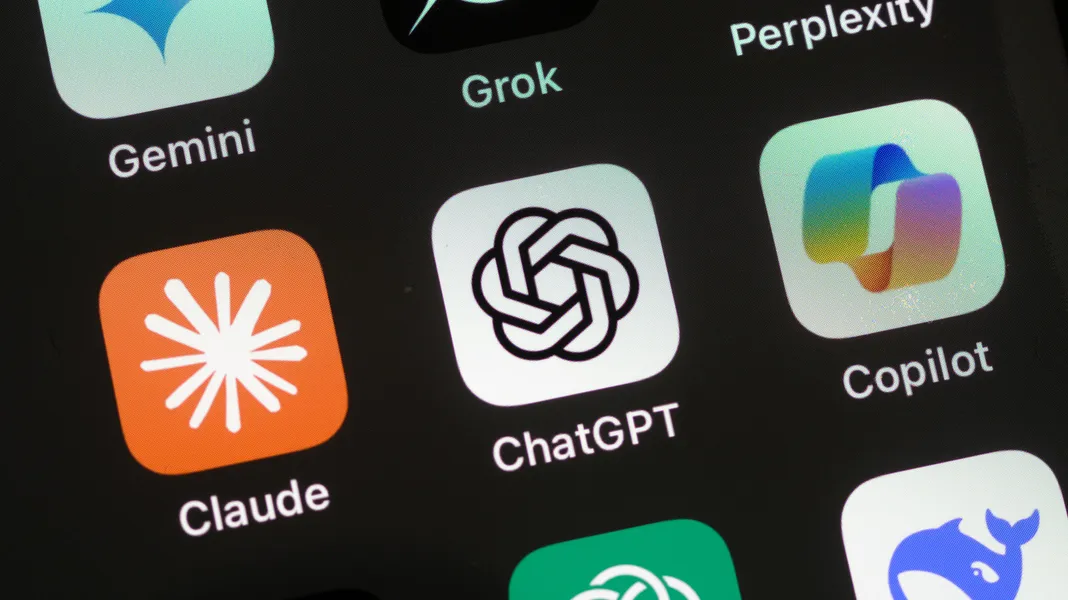
In the landscape of AI-driven design, GPT Image 2 does not operate in isolation. Anthropic’s Claude Design serves as a significant companion tool for interactive prototypes. While Claude focuses on editable HTML outputs, GPT Image 2 specializes in generating static pixel-based visual assets. Together, these models represent a comprehensive approach to the demands of modern design, offering a seamless integration of research, copywriting, and layout into cohesive workflows. This partnership exemplifies the trend toward unifying creative and operational tasks under a singular, prompt-driven process.
The Future of Creativity and Innovation
The introduction of tools like ChatGPT Image 2 marks a pivotal moment where image generation transcends mere aesthetics, evolving into a reasoning-driven asset capable of reshaping creative landscapes. As teams adapt to these advancements, they must embrace the changing dynamics of their workflows, prioritizing intent, context, and quality assurance.
In the end, remaining competitive in this rapidly evolving environment will require teams to not only integrate AI-driven technologies but also to develop the skills necessary to leverage them effectively. This shift presents an exciting prospect, as the nature of creativity and innovation undergoes a fundamental transformation.