Fed chair Warsh forms five AI-focused monetary policy task forces to study productivity, data, and inflation frameworks
Published by AINave Editorial • Reviewed by Ramit
What happened
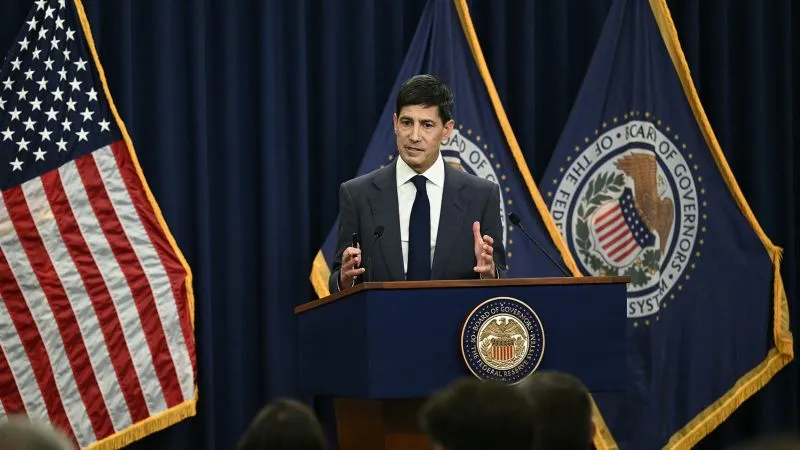
Federal Reserve Chairman Kevin Warsh on Thursday unveiled the members of five task forces that will study key issues shaping U.S. monetary policy, as part of his broader effort to reshape the central bank’s approach. The panels include prominent business leaders such as former Walmart CEO Doug McMillon, Marc Andreessen of Andreessen Horowitz, and Asha Sharma, executive vice president and Xbox CEO at Microsoft, alongside academics and former central bankers. Read the full CNN report
The new teams will “operate independently, with a mandate to follow the evidence, provide candid feedback, and produce rigorous findings for the Federal Open Market Committee,” Warsh said in a statement. The task forces are expected to conclude their work by the end of the year, culminating in recommendations on productivity, data, and new inflation frameworks. Read the full CNN report
Several members have overlapping histories with Warsh, notably Andreessen, who has been a friend for 30 years since their time at Stanford University. Warsh has referred to Andreessen as one of his “friends from my days in college.” Read the full CNN report
Why AI builders should care
AI’s macroeconomic impact is a central debate within the task forces. Warsh has signaled optimism that AI-driven productivity gains could support lower rates. Last year, he said AI could justify rate cuts if the technology delivers a meaningful and sustained boost to productivity. Read the full CNN report
However, not all officials agree. New York Fed President John Williams warned that AI-driven demand could outstrip supply, potentially leading to a situation where the Fed must hike rates to tamp down price pressures. At the same time, AI could also take some steam out of inflation if it results in higher productivity. Read the full CNN report
For AI builders, this debate matters because the Fed’s view on AI-driven productivity could influence rate decisions, which affect the cost of capital for startups and enterprise AI deployments. The task forces’ findings may provide early signals on how policymakers interpret the productivity data from AI adoption.
Practical implications
The task forces are designed to provide independent, evidence-based recommendations to the FOMC by the end of the year. Warsh hopes the results can be “a public good” for thinking about the effect of productivity, data, and new inflation frameworks. Read the full CNN report
While no specific policy actions or rate moves are promised, the task forces’ work could shape future FOMC discussions. If the panels conclude that AI-driven productivity gains are real and sustained, it could make the Fed more comfortable with lower rates. Conversely, if they find that AI is fueling demand-side inflation, rate hikes may be on the table.
AI builders and product teams should track these developments, especially as they relate to the productivity and data task forces. The findings could influence the regulatory and economic environment for AI products, from enterprise automation to consumer AI tools.
Caveats
The process and composition of the task forces may evolve, and no specific policy actions are promised at this stage. Read the full CNN report
The debate on AI’s inflationary versus deflationary impact is ongoing, with no settled evidence. Warsh’s optimism is not universally shared among Fed officials, and the task force recommendations are advisory, not binding.
Additionally, the depth of AI’s productivity impact remains uncertain. Warsh noted that the recent uptick in productivity occurred “largely before the advent of the new surge in what artificial intelligence can do,” suggesting the full effect may not yet be visible. Read the full CNN report
FAQs
Who are the members named to the Fed’s monetary policy task forces by Kevin Warsh?
The CNN report identifies members including former Walmart CEO Doug McMillon, Marc Andreessen of Andreessen Horowitz, and Asha Sharma, executive vice president and Xbox CEO at Microsoft, alongside academics and former central bankers. The exact roster may evolve as the process progresses. Read the full CNN report
What are the objectives of the five monetary policy task forces?
The five task forces aim to study factors shaping U.S. monetary policy, with a focus on productivity, data, and new inflation frameworks. They are expected to operate independently and provide candid feedback and rigorous findings for the FOMC, concluding by year-end. Read the full CNN report
How could AI-driven productivity affect monetary policy and inflation frameworks?
AI-driven productivity is a central topic. Warsh has suggested that sustained productivity gains from AI could justify rate cuts. However, New York Fed President John Williams warned that AI-driven demand could outstrip supply, potentially requiring rate hikes. The task forces will study these dynamics in the context of data and productivity. Read the full CNN report
When are the task force findings expected to be delivered to the FOMC?
The task forces are expected to conclude their work by the end of the year, culminating in a set of recommendations for improving monetary policymaking. Read the full CNN report
Sources
Latest Tech News