FAA’s SMART AI Tool Is Built to Advise, Not Control
Published by AINave Editorial
The FAA’s SMART air traffic management tool is designed to calculate options for human airspace managers, not take over air traffic control. That distinction matters: the system’s first planned pilot is in the Washington, D.C., area, where the stakes of introducing software into crowded airspace have drawn criticism even before its impact is known.
SMART plans airspace; controllers still separate aircraft
The FAA selected Boston-based Air Space Intelligence (ASI) to build SMART, short for Strategic Management of Airspace, Routes and Trajectories. Transportation Secretary Sean Duffy unveiled the software tool, valued at $875 million, the week before the article’s publication. The rollout is set to begin with a pilot at three major Washington-area airports; the article does not name all three.
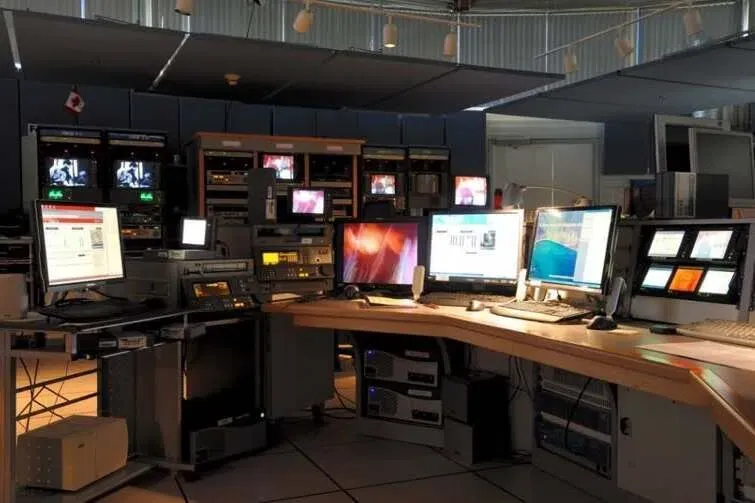
ASI CEO Phillip Buckendorf described a division of labor. Air traffic controllers remain responsible for keeping planes separated, while traffic managers work on airspace-wide routing and scheduling. SMART is intended to support the latter by calculating recommendations that an operator can accept or reject.
Buckendorf said the system considers more than 200 data sources, including weather, congestion, turbulence, winds and runway closures, to identify flight paths. The aim is to give managers more foresight across the network. That could help them weigh wider effects of a route or schedule change, rather than treating each flight in isolation. But those are intended benefits, not reported results from the FAA pilot.
Better forecasts do not solve every constraint
The tool has drawn sharply different reactions. Virginia Rep. Don Beyer criticized the Washington-area pilot as exposing constituents to an unproven system. Former FAA controller Dave Riley called SMART a step in the right direction, while warning it is no cure for broader problems, including staffing shortages that lead to mandatory overtime and difficult schedules.
That qualification points to a limit of the software’s promise. More useful forecasts may help managers make decisions, but SMART does not itself resolve a shortage of controllers. The article provides no measured results showing that the system reduces delays or cancellations, so claims about a better travel experience remain a case for what the software might achieve, not evidence of what it has achieved.
ASI’s related Flyways AI is already used by Alaska Airlines and other carriers for airline dispatchers, but that is a separate tool and workflow. For SMART, the consequential test is whether its recommendations improve airspace planning while leaving authority with the people responsible for acting on them.