Apple trains China-specific AI model with Alibaba to unlock Apple Intelligence in China
Published by AINave Editorial • Reviewed by Ramit
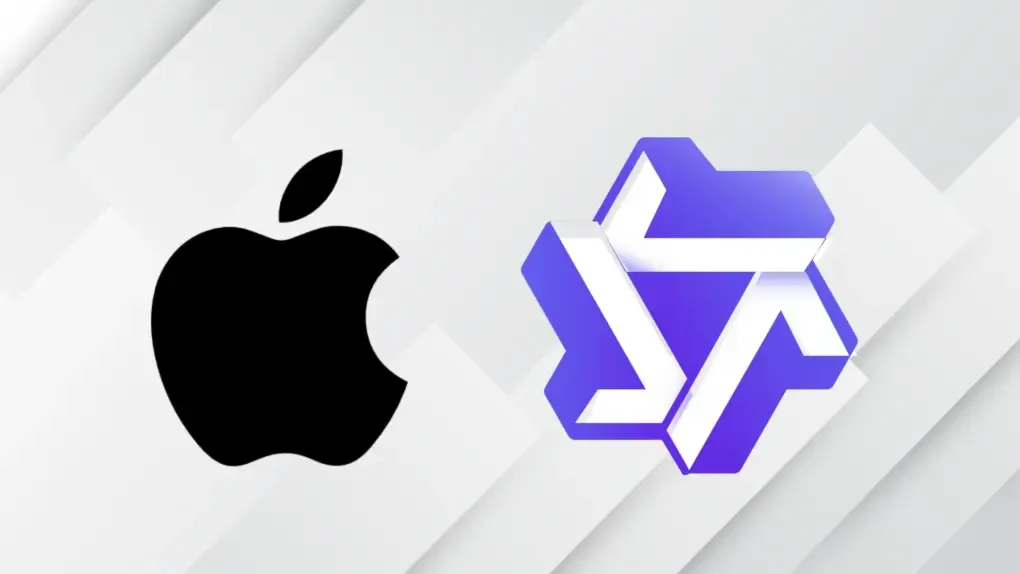
Apple is finally bringing Apple Intelligence to China by training its own China-specific large language model with Alibaba's support, according to Reuters. The move clears a key regulatory hurdle: China's Cyberspace Administration approved Apple Intelligence for use on iPhones, making Apple potentially the first foreign company allowed to offer its own AI model in the country. For AI builders, this is a practical case study in how to localize on-device AI under government oversight without fully outsourcing control.
A dual-track approach to satisfy regulators
Apple trained the model specifically for the Chinese market with Alibaba's help, a departure from its usual reliance on third-party models like ChatGPT and Claude, which are unavailable in mainland China. The plan pairs Apple's own China-focused model with Alibaba's Qwen technology, a dual-track strategy that reportedly helped satisfy regulators. Apple Intelligence is expected to roll out in the coming months across iPhone, iPad, Mac, and Vision Pro, according to the Cult of Mac report.
Earlier this month, Apple briefly published a Chinese-language guide showing how Mac users could connect Qwen to Siri and Writing Tools on macOS 26.6 or later, then took it down without explanation. That incident hints at the operational complexity of integrating a third-party model alongside Apple's own.
What this means for AI localization strategies
For product teams building AI features for regulated markets, Apple's approach offers a useful pattern. Instead of handing over the entire AI stack to a local partner, Apple kept its own model at the core and layered Alibaba's Qwen for compliance and localization. This preserves more control over behavior, data handling, and user experience than a pure third-party integration would.
The regulatory context matters: China requires every public AI model to register with the state, and foreign firms rarely get approval to run their own models. Apple's clearance suggests that a locally adapted, on-device AI system can pass muster when paired with a compliant local partner.
Rollout timeline and what remains unclear
Apple Intelligence is expected to reach Chinese devices after an iOS update in the coming months, but exact timing is unconfirmed. The overhauled Siri AI is scheduled for iOS 27 this fall globally, but China's timeline remains separate and unconfirmed. It is also unclear how Apple's new model will interoperate with Alibaba's Qwen and Baidu's technology, which earlier reporting said would be incorporated into the localized system.
Apple has been losing ground in China's PC market, with Mac shipments down 9% year-over-year to about 800,000 units in Q1, giving Apple just 9% market share behind Lenovo (31%) and Huawei (16%). AI features could help reverse that trend, but only if the rollout is smooth and the features are compelling enough to compete with local rivals like Huawei, which has been shipping AI-equipped phones for over a year.
What we don't know yet
Several important details remain unconfirmed. Neither Apple nor Alibaba has publicly commented on the Reuters report, which relies on unnamed sources. The interoperability between Apple's China model and third-party models like Qwen and Baidu is unclear. Regulatory approvals could evolve, and rollout timing may shift. Builders should watch for official announcements and developer documentation before making any integration plans.
FAQs
Sources
- Apple is finally bringing its own AI model to China — with Alibaba's help
- Apple’s China AI strategy now includes training its own custom model, per report
- EXCLUSIVE: Apple trains its own AI model for China market ...
- Apple trains China-specific AI model with Alibaba's help
- Apple Is Training Its Own AI Model For China With Alibaba’s ...
- Apple trained its own AI model for China with help from Alibaba
- Apple Intelligence approved for launch in China with Alibaba and Baidu
- Partnership with Apple recognition of Alibaba's AI capabilities
- China approves Apple Intelligence for iPhones, with Alibaba, Baidu emerging as partners
- Apple Intelligence Clears China Approval Hurdle as Alibaba and Baidu Set to Power AI Features
- Apple Trains Custom AI Model for China
- Apple trains China-specific AI model with Alibaba's help
- Apple trains its own AI model for China market with... - CNBC TV18
- Alibaba Apple AI Partnership Gives Apple More Control in China
- Apple Intelligence gets China nod; to use Alibaba and Baidu's AI models
- iPhone users in China will finally get Apple Intelligence, but here's the catch