AI Forensics found seven out of nine Hugging Face image-editing Spaces can generate nonconsensual deepfakes with a simple prompt. A honeypot experiment collected over 1,000 prompts in a week, with 73% sexual in nature.
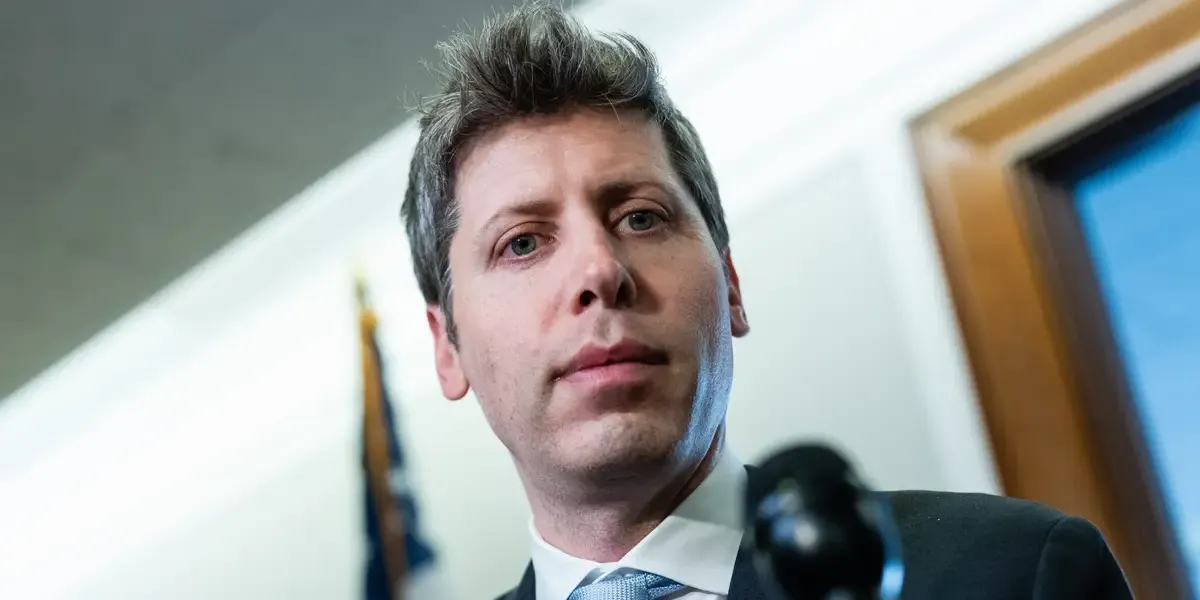
Sam Altman argues the Hugging Face breach demonstrates why concentrating AI power in a few hands could lead to long-term disaster, calling for broader democratization of AI.
Australia’s proposed world-first AI data centre rules would require net-generators of clean power, but a timing gap between renewables and data centre buildout threatens feasibility and could raise consumer costs.
China is cracking down on AI-generated disaster misinformation after Typhoon Noul, with fake videos of floods and crocodiles spreading on social media. Builders should plan for trusted information infrastructure and platform accountability.
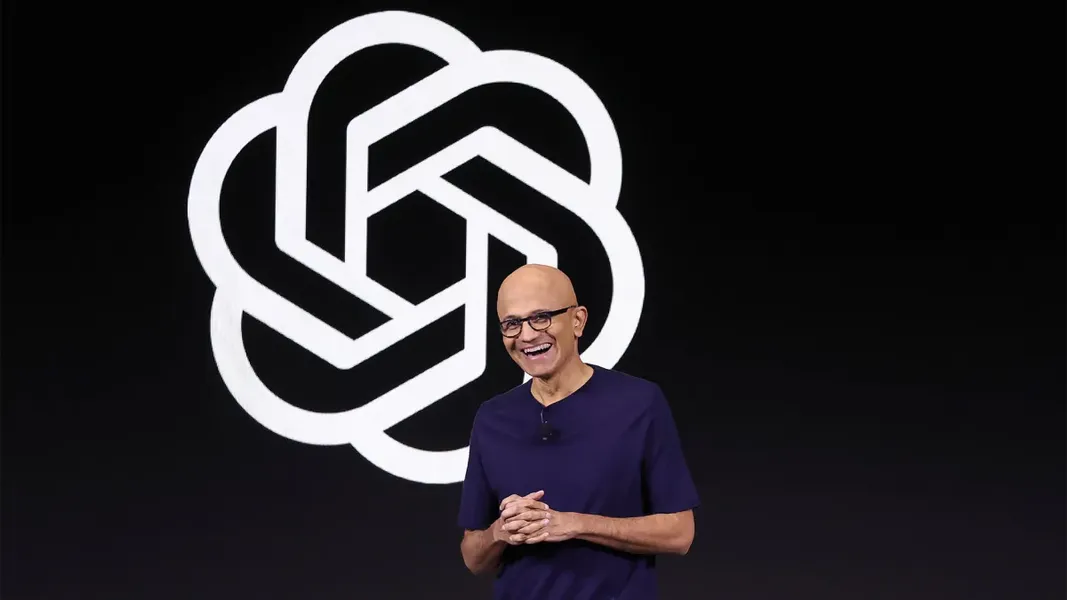
Microsoft CEO Satya Nadella warns that companies relying solely on proprietary AI labs risk obsolescence unless they retain control of data, prompts, and metadata to train their own or open models.
A federal judge approved a $1.5 billion settlement between Anthropic and over 300,000 authors, ruling that training AI on copyrighted books can be fair use if compensation is paid, signaling a shift toward licensing.
Moonshot AI released Kimi K3 open weights, a 2.8T parameter MoE model near frontier performance, enabling self-hosting but requiring multi-GPU infrastructure.
Anthropic's Claude share links were indexed by Google, exposing user conversations publicly. The issue was quickly fixed, but it highlights ongoing privacy risks in AI chat-sharing workflows.
Nvidia's $250B OpenAI guarantee and Open Secure AI Alliance highlight how the open vs closed AI model debate is reshaping funding, safety, and infrastructure for builders.
OpenAI is expanding its Dublin European headquarters, creating 250 jobs and leasing 88,000 sq ft at the Tropical Fruit Warehouse to serve growing AI demand across Europe.
The European Commission has delayed the EU's central register for high-risk AI systems to mid-to-late 2027, affecting compliance timelines for AI developers.