SpaceX reportedly showed investors a handset-like AI device slimmer than an iPhone, with xAI integration. Elon Musk called the report utterly false. For builders, the story highlights interest in on-device AI and OS independence, but no verifiable product or timeline exists.
Ford CEO Jim Farley warned of a 'huge crisis' in the US driven by AI and a shortage of skilled trade workers during a CNN interview. The warning highlights a growing gap between demand for experienced blue-collar labor and available workforce, with implications for AI adoption in manufacturing.
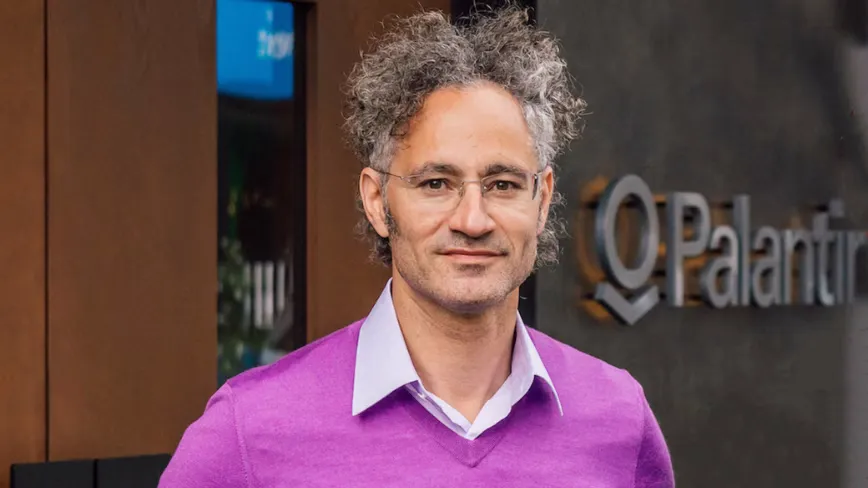
Palantir's nine-point AI sovereignty manifesto urges data ownership, model weight control, and rejection of token pricing. It directly challenges OpenAI and Anthropic while promoting Palantir's air-gapped and sovereign deployments. For AI builders, it signals a shift in enterprise procurement toward sovereignty and raises questions about pricing models and vendor lock-in.
Portugal has released Amália, its first national AI model built specifically for European Portuguese. The model, its training data, and its source code are all open-source, funded by €5.5 million from Portugal’s Recovery and Resilience Plan. Built on EuroLLM-9B, Amália is designed for public-sector use cases like citizen services, museum guides, and naval decision-support, not as a consumer chat app. The project represents a deliberate move toward European AI sovereignty, but adoption challenges remain.
Texas Gov. Greg Abbott called for a ban on new AI data centers in rural Texas neighborhoods, expanding on earlier regulatory proposals. The move follows local opposition, moratorium efforts, and a city ban in San Marcos, and sets up potential legislative clashes over siting and local control.
Proton Lumo 2.0 is a rebuilt, privacy-first AI chatbot running on European infrastructure with zero-access encryption, local data storage, and no training on conversations. It offers free access, Lumo Plus at $9.99/month, and Lumo Professional starting at $11.99/month.
Publishers like Time and The Economist are creating agent-friendly markdown versions of their sites and testing WebMCP. This shift reduces token costs and improves AI search visibility for builders.
Meta is rate-limiting the on-device Conversation Focus feature on its AI glasses, capping free users at 3 hours per month and reserving 15 hours for $19.99/month Premium subscribers. The move is notable because the feature runs entirely on-device and works offline, raising questions about monetizing local AI capabilities.
BioShocking attack tricks AI browsers into bypassing guardrails via a deceptive puzzle, exposing credential extraction risks across six agentic browsers.
Agentic AI takes actions in the world using tool wrappers around foundation models. MIT's Phillip Isola explains the architecture, training challenges, risks, and why coding agents are the most promising early use case.