Orland Park launches Humphrey AI chatbot for 24/7 resident assistance in 70+ languages
Published by AINave Editorial • Reviewed by Ramit
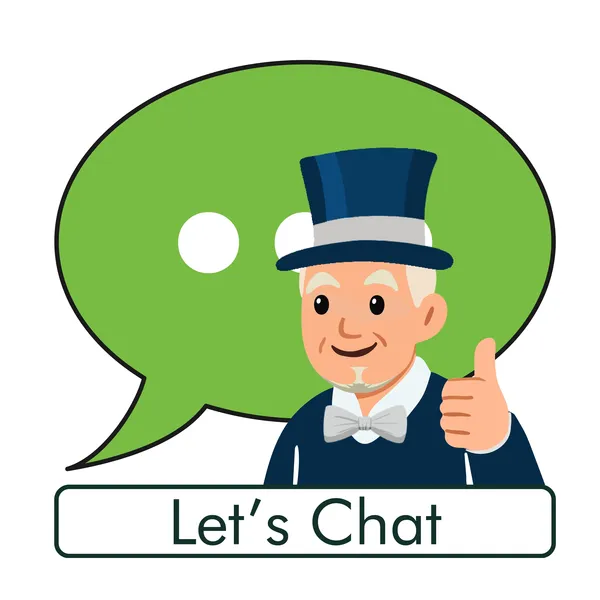
Orland Park launched an AI chatbot named Humphrey, built by Citibot, to provide 24/7 access to village information, permits, meetings, and events in more than 70 languages. The chatbot, named after the village's first mayor, is the first step in a broader AI integration plan that includes staff monitoring and ongoing training to improve accuracy. For builders working on civic or government AI deployments, this launch offers a real-world example of how local agencies are approaching cost-effective service automation while managing oversight and change concerns.
What Humphrey does
Humphrey greets residents on the Orland Park website, invites typed questions, and also offers a phone contact line at 708-403-6100. It draws exclusively on official village information to answer inquiries about services, permits, meetings, and events. The bot supports more than 70 languages, which matters for diverse communities where language access is a common pain point.
Mayor Jim Dodge says about 80% of village staff already use AI in their jobs or personal lives, and he sees the technology as a path to keep service levels high without adding staff. Dodge is scheduled to present the village's AI adoption plan to the Illinois Municipal League in September.
Why it matters for AI builders
This launch shows how municipal AI differs from enterprise or consumer deployments. The priority is reliable triage of routine questions, not creative generation. The bot uses a curated knowledge base of official documents, which reduces hallucination risk compared to open-domain models. Builders designing similar systems should note the emphasis on staff oversight: village employees monitor responses and feed corrections back into training data.
The cost-efficiency argument is straightforward: a chatbot can handle common inquiries without requiring additional hires, which is attractive for growing communities with tight budgets. For startups building government AI tools, this case validates demand for domain-restricted, multilingual, and auditable assistant products.
Practical implications for deployments
From a product perspective, Humphrey demonstrates several design choices worth studying:
- Multilingual support built in. The 70+ language capability is a significant feature for municipalities serving immigrant populations or tourists.
- Human escalation path. The bot explicitly offers a phone number for follow-up, acknowledging its limits.
- Iterative improvement. Staff are directed to monitor and correct answers, meaning the bot improves over time based on real queries.
- No integration claims. The current scope is information retrieval and routing, not transaction processing (e.g., paying bills). That limits operational complexity but also reduces risk.
Caveats and open questions
The evidence is based on press coverage and village announcements. Long-term effectiveness depends on data quality and how well the bot handles edge cases. Mayor Dodge acknowledged job displacement concerns, but the village frames AI as augmenting staff rather than replacing them. No independent audit of accuracy has been published. Builders evaluating similar projects should watch for vendor lock-in (Citibot is a single vendor), data retention policies, and how escalation to human staff is measured.
FAQs
Sources
- Orland Park launches AI chatbot ‘Humphrey’ to provide village information
- Village of Orland Park Press Releases | Village of Orland Park, IL
- How to use new Google Gemini AI chatbot - Pureinfotech
- Train Schedules | Metra
- JanitorAI
- SHOCKING AI That Broke the Internet This Month... - YouTube
- Village of Orland Park Launches New AI Virtual Assistant ...
- Village Of Orland Park Launches New AI Virtual Assistant ...
- Orland Park launches AI assistant Humphrey for 24/7 resident ...
- Orland Park launches AI chatbot to answer resident questions ...
- Status of Temporary Restraining Order... | Village of Orland Park, IL
- Express: Woodside carriages hoisted into new home | Menlo Park...
- Chatbot Arena - a Hugging Face Space by lmarena-ai
- Your Hometown features Orland Park, Feb. 24 | WGN Radio 720...
- Orland Park 代理 | Proxxxymiron