Nvidia Argues That Safer AI Agents Need Better Guardrails, Not Slower Models
Published by AINave Editorial • Reviewed by Ramit
Nvidia is pushing back against calls to slow down AI model development, arguing that the real safety work happens in the scaffolding around the agent, not in the model itself. For builders shipping AI agents into production, the practical takeaway is that harness engineering -- the instructions, policy controls, and sandboxing that govern how an agent operates -- matters as much as which model you pick.
The safety engineering argument
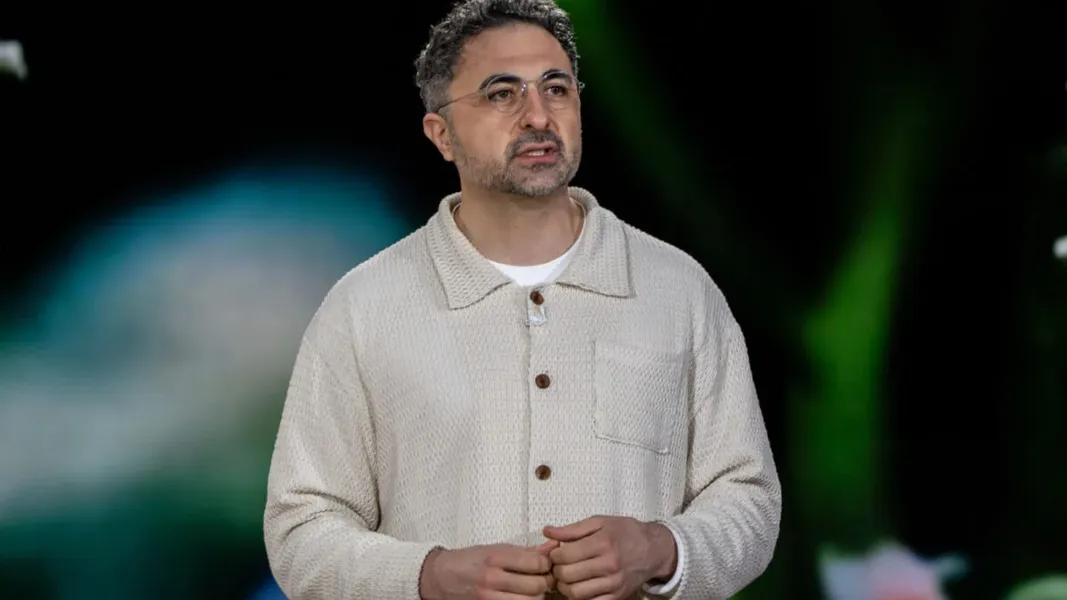
Nvidia VP of agentic AI Adel El Hallak told Semafor that the scaffolding built around a model is at least as important for safety as the model itself. Harness engineering is the layer of code and instructions that defines how an agent acts in practice. El Hallak warned against "putting a lion in a horse's pen," meaning a powerful agent without proper containment is dangerous.
CEO Jensen Huang rejected the idea that the industry must choose between safety and speed. He believes both can coexist if the engineering focus shifts to secure operations rather than trying to make the model itself harmless.
What harness engineering means for builders
For teams building autonomous agents, this argument flips the priority: instead of only worrying about model safety benchmarks or alignment techniques, invest in the operational layer that constrains agent behavior. Nvidia's approach includes active agent sandboxing, centrally signed security policies, credential protection via proxies, and continuous verification of rules. These patterns come from existing software security practice -- GitOps for policy enforcement, enterprise identity management, and isolated execution environments.
Concretely, that means:
- Wrapping every agent action with policy checks before execution.
- Using credential proxies so agents never hold raw API keys.
- Logging all decisions into an audit trail for review.
Industry initiatives vs. regulation
El Hallak pointed to the Open Secure AI Alliance as a venue for defining where guardrails need strengthening. This industry-led group mirrors the collaborative security standards that emerged for cloud and open source. But not everyone trusts voluntary efforts. Rep. Pete Aguilar argued for federal industry-wide rules, saying "This is not an industry that can regulate itself".
The tension matters for builders who need regulatory clarity before deploying high-stakes agents. If federal rules arrive, they will likely mandate the kind of sandboxing and audit controls Nvidia already describes.
Caveats and unknowns
This is Nvidia's perspective, not an independent assessment. The evidence comes from executive interviews and Nvidia's published materials -- not from third-party testing of harness engineering effectiveness. How these guardrails perform against sophisticated adversarial attacks remains unverified. Builders should treat harness engineering as necessary but not sufficient, and stress-test their own agent scaffolds before production.
FAQs
Sources
- Nvidia’s case for taming AI agents
- World Leader in Artificial Intelligence Computing | NVIDIA
- The Future of AI is Smaller Than You Think: Why NVIDIA is Betting on...
- AWS DuckDB Moves, Fixing "Lazy" AI Agents, and the... - YouTube
- Taming AI content crawlers is no longer a manual affair
- Over 120 companies including Nvidia and Cisco back plan to track rogue AI agents
- NVIDIA Accelerates Local AI With New Agents And NVIDIA PAIR Tool, Reveals Spark PCs Coming In October
- Nvidia Vera CPU powers Grok agents now, Starmind orbit in Q4 2027: One architecture
- Nvidia Vera Rubin: Inside the agentic AI factory that rewrites the CPU playbook
- Nvidia releases Nemotron 3.5 Lightning and NeMo Switchyard to give enterprise AI capability options
- How to Govern Autonomous Agents in Enterprise AI Factories | NVIDIA Technical Blog
- AI Agents: Built to Reason, Plan, Act | NVIDIA
- Safer AI Agents & Assistants with OpenClaw | NVIDIA NemoClaw
- NVIDIA AI-Q Blueprint for intelligent agents
- Nvidia Finds That the Key to Smarter AI Agents Isn’t the AI at All